The World’s Smallest Bear Has the Biggest Personality: Everything You Need to Know About the Sun Bear

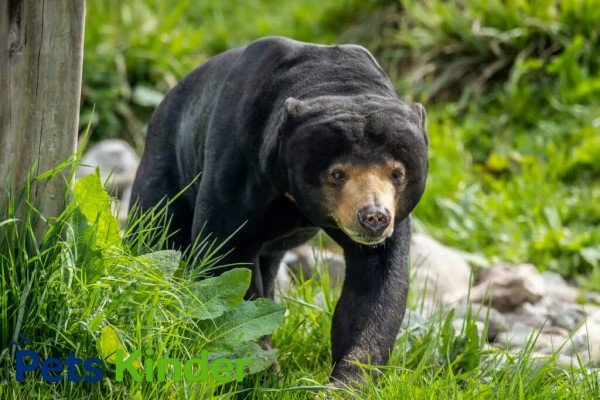
If you’ve never heard of a sun bear, you’re not alone and that’s part of the problem. These remarkable animals quietly inhabit the dense rainforests of Southeast Asia, living out their lives in near-total obscurity while facing very real threats to their survival. But once you learn about them, it’s almost impossible not to be fascinated. From their surprisingly small sun bear size to the way they move through the forest canopy with astonishing ease, sun bears are genuinely one of nature’s most underrated wonders.
What Exactly Is a Sun Bear?
The sun bear (Helarctos malayanus) is the smallest member of the bear family Ursidae. It goes by several names honey bear, Malay bear but “sun bear” is the most widely used, a nod to the distinctive golden or cream-colored chest patch that marks nearly every individual. That crescent-shaped marking is thought to resemble a rising sun, and it’s one of the most recognizable features of the species.
These bears live primarily in the tropical forests of Southeast Asia, with populations spread across countries like Malaysia, Indonesia, Thailand, Borneo, and parts of southern China. They prefer lowland and hill forests dense, humid environments where food is abundant and human contact is, ideally, minimal. Unfortunately, that ideal scenario is becoming harder to find.
Sun Bear Size: Smaller Than You’d Expect
When most people picture a bear, they imagine something large and imposing a grizzly charging through Yellowstone, or a polar bear drifting across Arctic ice. The sun bear shatters that image entirely.
How Big Do Sun Bears Actually Get?
In terms of sun bear size, adults typically weigh between 55 and 143 pounds (25 to 65 kilograms), with males generally running heavier than females. From nose to tail, they measure roughly 4 to 5 feet (1.2 to 1.5 meters) in length. Their shoulder height stands at just about 27 to 28 inches roughly the size of a large dog. To put it in perspective, a sun bear size comparison with a North American black bear makes the difference strikingly clear: black bears can weigh up to three times as much.
Sun Bear Size Comparison With Other Bears
| Bear Species | Average Weight | Shoulder Height |
|---|---|---|
| Sun Bear | 55–143 lbs | ~27 inches |
| American Black Bear | 200–600 lbs | ~35 inches |
| Brown Bear | 400–790 lbs | ~48 inches |
| Polar Bear | 700–1,500 lbs | ~60 inches |
Despite being the smallest of the bears, sun bears are anything but fragile. Their bodies are compact, muscular, and built for climbing. They have large, curved claws disproportionately long for their size that act like natural grappling hooks when scaling trees. Their inward-turned feet give them exceptional grip, and their loose, wrinkled skin (especially around the neck) allows them to twist and turn even when grabbed, making them surprisingly capable of defending themselves.
Key Physical Features and Characteristics
Beyond sun bear size, several other physical traits make this species instantly recognizable once you know what to look for.
The Tongue That Does It All
One of the most extraordinary features of the sun bear is its tongue. Stretching up to 10 inches long, it’s perfectly engineered for extracting honey from beehives and insects from tight crevices. This anatomical quirk earns them the nickname “honey bear,” though their diet is far more varied than that title suggests.
Coat and Coloring
Sun bears wear a short, sleek coat of dark black or dark brown fur. Unlike bears in colder climates, their fur doesn’t need to be thick or insulating the tropical heat takes care of that. The chest patch varies from individual to individual in both shape and shade, ranging from pale yellow to bright orange. Some researchers believe this patch may play a role in communication or individual recognition within the species.
Facial Structure
Their faces are somewhat dog-like, with a pale muzzle and small, rounded ears. Their eyes are relatively small but sharp. Sun bears have an excellent sense of smell arguably their most relied-upon sense which helps them locate food, detect predators, and navigate their forest environment.
Sun Bear Standing and Movement: Life in the Trees
One of the most captivating things about sun bears is how they move. Sun bear standing behavior is particularly notable they frequently rise onto their hind legs, not to threaten, but to get a better look, sniff the air, or reach food sources. When a sun bear stands upright, it almost looks human. The posture is relaxed, curious, and surprisingly graceful for an animal built so close to the ground.
Sun Bear Walking and Climbing
Sun bear walking on all fours has a distinctive pigeon-toed, rolling gait a result of those inward-turned feet. But walking isn’t really where sun bears shine. They’re built for climbing, and they do it with remarkable confidence. Young bears are especially agile, spending much of their time high in the forest canopy sleeping, foraging, and simply resting on platforms of bent branches they construct themselves.
Even adult sun bears regularly climb trees in search of fruit, honey, and insects. Their hooked claws make vertical surfaces manageable, and their small size means branches that would snap under a larger bear hold them just fine.
Diet and Nutrition
Sun bears are omnivores with a clear sweet tooth. Honey is a favorite, and they’ll tear apart beehives with those powerful claws without much concern for the stings that follow. Their thick skin and fur offer reasonable protection.
Beyond honey, their diet includes termites and other insects, earthworms, small lizards, birds, rodents, and a wide variety of fruits. Figs are a particular staple when they’re in season. Sun bears play an important ecological role as seed dispersers fruit passes through their digestive system and gets deposited elsewhere in the forest, helping maintain plant diversity. They also control insect populations and help aerate soil when digging for food, making them a true keystone species in their ecosystems.
Unlike bears in temperate climates, sun bears don’t hibernate. Food is available year-round in tropical forests, so there’s no biological need to bulk up and sleep through winter. They’re active throughout the year, though they tend to be more active at dawn and dusk.
Health, Care, and Common Diseases
Health Challenges in the Wild
Sun bears in the wild face several health threats. Injuries from prey animals, falls from trees, and conflicts with other wildlife are all part of life in a dense forest ecosystem. However, the more pressing health concerns are human-caused.
Snares set by poachers cause severe injuries often amputations of limbs or permanent nerve damage in bears that manage to escape. Deforestation forces bears into fragmented habitats where food becomes scarce, leading to malnutrition and increased stress-related illness.
Common Health Issues
In both wild and captive settings, sun bears are susceptible to several conditions. Dental disease is common, particularly in older individuals and those fed improper diets in captivity. Parasitic infections including roundworms and other internal parasites affect wild populations. Skin conditions and mange can develop, especially in animals living in degraded or stressful environments.
Care in Captivity
Sun bears kept in rehabilitation centers or sanctuaries require specialized care. Diet must closely mimic what they’d consume in the wild diverse, fruit-heavy, and protein-rich. Mental stimulation is equally important; without it, bears in captivity can develop stereotypic behaviors like repetitive pacing, a sign of psychological distress. Reputable facilities such as the Bornean Sun Bear Conservation Centre in Malaysia prioritize enrichment activities, spacious enclosures, and eventual release when feasible.
Lifespan and Long-Term Considerations
How Long Do Sun Bears Live?
In the wild, sun bears typically live between 20 and 25 years, though survival to old age is increasingly difficult given habitat pressures. In captivity, with proper care and veterinary attention, they can live into their late 20s with some individuals recorded at 30 years or more.
Conservation Status and Long-Term Outlook
The IUCN currently lists the sun bear as Vulnerable, with population numbers declining across most of its range. Habitat loss driven by palm oil agriculture, logging, and human settlement is the leading threat. The illegal wildlife trade where sun bears are captured as pets or killed for their bile, which is used in traditional medicine compounds the problem significantly.
Long-term survival of the species depends on a combination of habitat protection, anti-poaching enforcement, and public awareness. Organizations working in Borneo and Sumatra are making measurable progress, but the pace of forest loss continues to outstrip conservation efforts in many areas.
Why Sun Bears Matter More Than You Think
It’s easy to overlook an animal that rarely makes headlines. But sun bears are deeply woven into the ecological fabric of Southeast Asian rainforests. They shape the forest around them spreading seeds, controlling insects, opening up tree cavities that other species then use for nesting. When sun bears disappear from an ecosystem, the ripple effects are felt far and wide.
They also serve as an indicator species. A healthy sun bear population signals a healthy forest. A declining one is a warning that something has gone wrong and that warning should matter to all of us.
The sun bear may be the smallest bear in the world, but its role in the natural world is anything but small. Learning about this species, supporting conservation efforts, and making conscious consumer choices like choosing sustainably sourced palm oil are all ways that people far outside Southeast Asia can contribute to the sun bear’s future.
These bears have survived in their rainforest home for millions of years. With a little help, there’s no reason they can’t continue to do so.