Fluffy Cow Craze: 9 Surprising Facts About the World’s Most Adorable Cattle

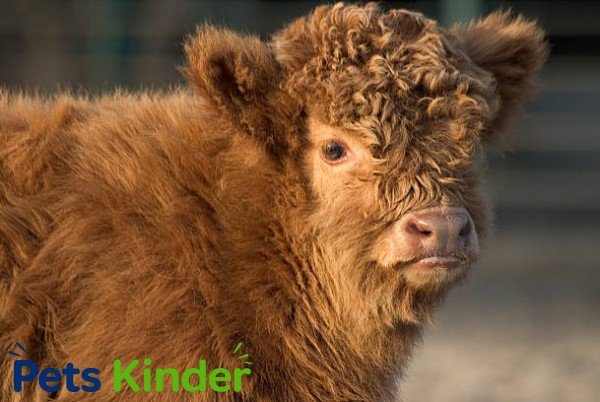
If you’ve ever scrolled through a farming video and done a double-take at what looked like a living stuffed animal standing in a pen, you’ve already met the fluffy cow. These extraordinarily well-groomed, plush-coated cattle have taken the internet and the show ring by storm over the past decade. But there’s far more to these animals than viral photos and county fair fame. Behind that impossibly soft exterior is a real animal with specific needs, a fascinating genetic background, and a temperament that surprises most people who encounter one for the first time.
Whether you’re considering adding one to your homestead, simply curious about the fluffy cow breed options available, or completely smitten with the idea of a mini fluffy cow trotting around your backyard, this guide covers everything you need to know from their defining characteristics and diet to their health needs and long-term care.
What Is a Fluffy Cow, Really?
The Origins of the Look
Not every fluffy cow you see at a fair or on social media was born that way. In many cases particularly in the show cattle world that extraordinary fluffiness is a combination of genetics and intensive grooming. Show cattle, especially breeds like Highland Cattle and certain beef breeds, are washed, blow-dried, and styled with products like rice bran oil and show foam to maximize their coat’s volume and appearance. The result is something that looks more like a plush toy than a farm animal.
That said, some breeds genuinely grow thick, dense coats naturally, particularly those developed in cold climates. The Scottish Highland cow, for example, produces a long double-layered coat designed for brutal winters. Galloway cattle are similarly well-coated. These natural coats, when properly maintained, create the signature fluffy cow look without much artificial enhancement at all.
Why They Captured the Internet
The fluffy cow moment truly exploded around 2012 and 2013, when photos of meticulously groomed show cattle began circulating widely online. People couldn’t believe what they were seeing. The animals looked surreal like cartoon characters brought to life. Since then, interest in fluffy cow breeds has grown steadily, with hobby farmers, homesteaders, and even suburban property owners investigating whether these animals could fit into their lives.
Popular Fluffy Cow Breeds to Know
Highland Cattle
When most people picture a fluffy cow breed, the Scottish Highland is usually the first image that comes to mind. These cattle sport a thick, shaggy double coat an outer layer of long, oily hair that sheds water, and a soft, insulating underlayer that traps body heat. Their dramatic forelock, which often covers the eyes entirely, adds to their unmistakably charming appearance. Highlands are hardy, calm-tempered, and surprisingly easy to manage compared to many other cattle breeds.
Galloway and Belted Galloway
Galloway cattle and their striking belted cousins are another well-known fluffy cow breed. Originally from southwestern Scotland, Galloways grow a thick, curly coat that keeps them comfortable in cold, wet climates. They’re known for being docile, efficient grazers, and good mothers, making them a practical choice for small farms that also want the aesthetic appeal of a fluffy animal.
American Show Cattle
Much of what people see in viral fluffy cow content comes from American show cattle typically beef breeds like Angus, Hereford, or Maine-Anjou crosses that have been groomed to extraordinary levels for competition. These aren’t a single fluffy cow breed but rather conventionally bred cattle prepared through intensive grooming regimens. Their transformation under the hands of an experienced fitter is genuinely remarkable, and the results consistently stop people in their tracks.
The Baby Fluffy Cow: Even More Irresistible
What to Expect From Calves
If you think adult fluffy cows are adorable, just wait until you meet a baby fluffy cow. Calves from naturally fluffy breeds like Highlands are born with soft, thick coats from day one, giving them an almost teddy-bear-like quality that is, frankly, difficult to describe without sounding completely smitten. A Highland calf in particular small, wide-eyed, with a coat already forming its signature shag is one of the most genuinely endearing sights in agriculture.
Beyond their appearance, baby fluffy cow calves are generally robust compared to calves of more commercially oriented breeds. Highland calves, for instance, are known for being hardy at birth, even in harsh weather conditions. They bond quickly with their mothers and begin grazing within days. Still, proper neonatal care matters enormously. Ensuring the calf nurses colostrum within the first few hours of life gives it the passive immunity it needs to survive and thrive in its early weeks.
Raising a Baby Fluffy Cow Successfully
Raising a baby fluffy cow requires attention to warmth, nutrition, and socialization. In cold climates, young calves may need shelter from extreme wind and precipitation even if their adult counterparts handle the weather easily. Ensuring adequate milk intake either from the dam or through bottle feeding if necessary is the single most important factor in early calf development. As the calf grows, gradual introduction to quality forage helps develop the rumen and prepares it for an adult diet.
Mini Fluffy Cow: The Compact Alternative
Why Mini Cows Are Growing in Popularity
The mini fluffy cow has become one of the most searched and discussed variations in recent years, and for good reason. Miniature cattle offer many of the same experiences as full-sized cattle companionship, gentle temperament, even small-scale milk or beef production in a much more manageable package. For hobby farmers, people with smaller acreage, or families looking for an unusual but deeply rewarding animal companion, miniature fluffy breeds hit a very specific sweet spot.
Breeds and Size Expectations
Several breeds fall under the mini fluffy cow umbrella. Miniature Highland Cattle are perhaps the most popular, standing under 42 inches at the shoulder when mature. Miniature Galloways exist as well, along with miniature versions of various beef breeds selectively bred for smaller stature. Despite their compact size, these animals are generally sturdy and healthy when bred responsibly. It’s worth noting that not every “mini” cow offered for sale comes from a reputable program buyers should research breeders carefully and ask about genetic background and health testing.
Diet and Nutrition
What Fluffy Cows Eat
A fluffy cow’s dietary needs don’t differ dramatically from other cattle but quality matters considerably, especially for coat health. High-quality grass or grass hay forms the foundation of the diet. Cattle are ruminants, meaning their four-chambered stomach is designed specifically to ferment and extract nutrition from fibrous plant material. Access to fresh, clean pasture or quality hay should be available at all times.
Mineral supplementation is particularly important. Copper, zinc, and selenium all play direct roles in coat quality, skin health, and immune function. A deficiency in any of these can cause a coat that looks dull, brittle, or patchy a significant concern if maintaining that signature fluffy appearance matters to you. Providing a loose mineral mix formulated for cattle ensures these needs are consistently met. Salt blocks and fresh water should always be accessible as well.
For show cattle being groomed for exhibition, the diet often includes specific supplements flaxseed for omega-3 fatty acids, biotin for skin and hoof integrity, and controlled energy feeds that support muscle development without excessive fat deposition.
Health, Care, and Common Issues
Routine Health Management
Caring for a fluffy cow requires a consistent veterinary relationship. Annual vaccinations against common bovine diseases including IBR, BVD, PI3, and BRSV are the standard baseline for herd health. Clostridial vaccines protect against a range of fast-moving bacterial diseases that can kill cattle quickly if left unaddressed. Regular fecal testing and a strategic deworming program help manage internal parasites, which are a persistent challenge in cattle of all breeds.
Hoof care is often overlooked by new cattle owners but is genuinely critical. Regular hoof trimming prevents overgrowth, which leads to lameness and significant welfare concerns. For fluffy breeds in wet climates, hoof rot a bacterial infection of the hoof tissue is a real risk that requires prompt treatment when it appears.
Grooming Needs: More Than Cosmetic
For naturally fluffy breeds like Highlands, coat care goes beyond aesthetics. The thick double coat can harbor external parasites like lice and mange mites, particularly in winter when shedding slows. Regular inspection of the coat and treatment when needed keeps the animal comfortable and prevents infestations from spreading through a herd.
For show cattle, grooming is essentially a full-time commitment in the weeks leading up to competition. Frequent washing, blow-drying, and the application of coat conditioners keep the hair in peak condition. Even outside the show world, periodic brushing and washing helps keep a fluffy cow’s coat clean, parasite-free, and visually stunning.
Common Health Concerns
Pink eye (infectious bovine keratoconjunctivitis) is especially common in Highland cattle because the long forelock can trap debris and irritate the eyes. Many Highland owners regularly trim the forelock or use horn bands to keep the hair away from the eyes. Respiratory disease, foot and mouth considerations in certain regions, and hardware disease caused by cattle accidentally ingesting metal objects while grazing are additional concerns that any cattle owner should be familiar with.
Lifespan and Long-Term Considerations
How Long Fluffy Cows Live
Most cattle, including fluffy breeds, live between 15 and 20 years when well cared for. Highland cattle in particular are known for exceptional longevity, with many cows remaining productive well into their late teens. Miniature breeds tend to follow similar patterns. The key to maximizing lifespan is consistent, proactive care not just treating problems when they arise, but preventing them through sound nutrition, regular veterinary attention, and appropriate housing.
Planning for the Long Haul
Bringing a fluffy cow or a mini fluffy cow onto your property is a long-term commitment that deserves serious planning. These animals need adequate shelter from extreme weather, secure fencing, companionship (cattle are social animals and should rarely be kept alone), and year-round access to quality feed and water. Senior cattle may require dietary adjustments as dentition deteriorates with age, and conditions like arthritis become more common in older animals.
The reward, for those willing to put in the work, is extraordinary. A well-cared-for fluffy cow is gentle, curious, and genuinely bonding an animal that recognizes its owners, seeks out attention, and brings a kind of quiet joy to daily farm life that’s hard to find anywhere else in agriculture.
Final Thoughts
The fluffy cow phenomenon isn’t going away and honestly, why would it? These animals combine striking visual appeal with genuine practicality, whether you’re raising them for show, for small-scale production, or simply because you wanted the most charming creature on your property. From the rugged, majestic Highland to the compact appeal of the mini fluffy cow, there’s a fluffy cow breed out there for nearly every situation. Understanding their real needs rather than just their Instagram appeal is what transforms a beautiful animal into a truly successful, happy one.