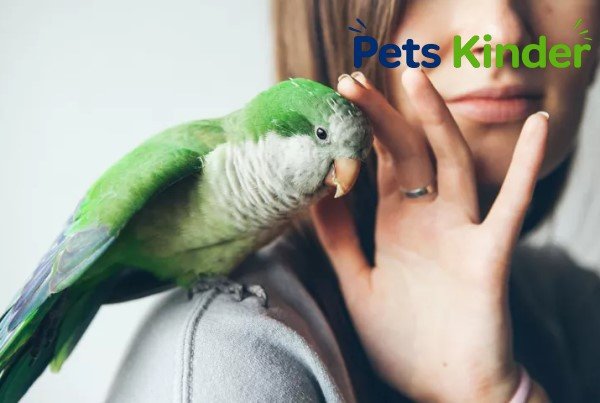
If you’re looking for a bird that packs personality, intelligence, and genuine charm into a compact, manageable package, the Quaker parrot deserves to be at the very top of your list. These small, bright-eyed birds have been winning over pet owners for decades not with flashy plumage or rare exotic status, but with something far more compelling: real, relatable personality. They talk, they bond, they build nests, they throw tiny tantrums, and somehow through all of it, they make you love them even more.
The Quaker parrot is unlike most birds you’ll encounter in the pet world. Understanding what makes this species so special and so uniquely demanding is the difference between a thriving, joyful relationship with your bird and a frustrated one. Let’s get into everything you need to know.
What Is a Quaker Parrot?
Origins and Natural Habitat
The Quaker parrot also known as the monk parakeet is native to the temperate and subtropical regions of South America, particularly Argentina, Bolivia, and surrounding countries. In the wild, these birds are famously industrious. Unlike almost every other parrot species on earth, Quaker parrots build large, elaborate stick nests sometimes massive communal structures shared by multiple pairs. This nesting instinct is deeply hardwired into the species and shows up in domestic settings in fascinating, sometimes inconvenient ways.
Because of their hardy adaptability and bold temperament, feral Quaker parrot populations have established themselves in parts of the United States, Spain, Belgium, and other countries far outside their native range. These birds are survivors. They don’t just cope with new environments they thrive in them, which tells you a great deal about the species’ resilience and intelligence.
Why “Quaker”?
The name comes from the distinctive bobbing and quaking motion young birds make while begging for food from their parents a behavior that carries over into adulthood in many individuals, particularly when they’re excited or agitated. It’s endearing, slightly comical, and one of the many behavioral quirks that make this bird so entertaining to live with.
Key Features and Physical Characteristics
Appearance and Color
The classic wild-type Quaker parrot is predominantly bright green across the back, wings, and head, with a soft grey chest and face that fades into white on the abdomen. The wing feathers are tipped with vivid blue, which catches the light beautifully in flight. This coloration makes the Quaker parrot a genuinely attractive bird without requiring the dramatic, rare hues of more exotic species.
Selective breeding in captivity has produced several color mutations blue, yellow, white, and albino variants all exist though the classic green remains the most common and widely recognized form. Their beak is sturdy and slightly hooked, perfectly designed for cracking seeds and manipulating objects. Their eyes are bright and expressive, and experienced owners will tell you these birds absolutely use eye contact intentionally.
Size and Physical Build
The Quaker parrot is a small-to-medium bird, typically measuring 11 to 13 inches in length from beak to tail tip and weighing between 90 to 150 grams. Despite their compact size, they have a vocal presence and physical energy that make them feel much larger than their measurements suggest. Their tail is long relative to their body, giving them a sleek, streamlined silhouette that’s instantly recognizable.
Personality and Temperament
This is where the Quaker parrot truly separates itself from the crowd. These birds are exceptionally intelligent, deeply social, and remarkably communicative. They are among the best talking parrots in the world not just mimicking random sounds, but learning context, repeating phrases at appropriate moments, and developing genuine conversational patterns with their owners over time.
They are also fiercely loyal. Quaker parrots form strong bonds with their primary caretakers and can become territorial about their space, their person, and their belongings. That loyalty is wonderful when it’s directed toward you and something you’ll need to manage carefully when it becomes possessiveness toward other people or pets. Early socialization with multiple people helps prevent the development of a one-person bird dynamic that can become difficult to manage.
Diet and Nutrition
Feeding Your Quaker Parrot Right
Diet is one of the most critical factors in a Quaker parrot’s long-term health, and unfortunately, it’s also one of the areas where many well-meaning owners fall short. A seed-only diet still far too common is nutritionally inadequate and sets the stage for obesity, fatty liver disease, and a shortened lifespan. Seeds are high in fat and low in essential vitamins and minerals that these birds need to thrive.
The foundation of a healthy Quaker parrot diet should be a high-quality pelleted food, which provides a balanced nutritional base in every bite. Pellets should make up roughly 60 to 70 percent of the total diet. The remainder should consist of fresh vegetables leafy greens like kale, spinach, and romaine are excellent along with limited amounts of fruit, cooked grains, and legumes.
Foods to Avoid
Avocado is toxic to Quaker parrots and all psittacine birds even small amounts can be fatal. Chocolate, onions, garlic, caffeine, alcohol, and foods high in salt or sugar are all off-limits. Fruit pits and apple seeds also contain compounds harmful to birds. Fresh water should be changed daily, and food dishes should be cleaned thoroughly to prevent bacterial growth, which parrots are particularly susceptible to.
Health, Care, and Common Issues
Proactive Care Is Everything
Quaker parrots are relatively robust birds, but proactive, attentive care is essential to keeping them healthy over the long term. A baseline veterinary relationship with an avian vet not a general small animal vet is non-negotiable. Annual wellness exams give you a baseline and catch developing issues before they become serious.
Fatty Liver Disease
Hepatic lipidosis, or fatty liver disease, is one of the most common health problems in Quaker parrots, almost always linked to a poor diet heavy in seeds and fats. Symptoms include lethargy, loss of appetite, labored breathing, and visible weight gain. Transitioning to a pellet-based diet significantly reduces this risk, and birds with early-stage fatty liver disease can often recover with dietary intervention and veterinary support.
Feather Destructive Behavior
Feather plucking is a behavioral and sometimes medical issue that affects many parrot species, including Quakers. Boredom, lack of socialization, underlying illness, or skin irritation can all trigger the behavior. Because Quaker parrots are so intelligent and social, they require significant daily interaction and enrichment to remain mentally healthy. A bored, isolated Quaker parrot is a stressed one and stress manifests in this breed very physically.
Psittacine Beak and Feather Disease (PBFD)
PBFD is a viral disease that affects the feathers, beak, and immune system of infected birds. It is contagious among parrots and has no cure. Responsible sourcing of your bird from a reputable, health-tested breeder and quarantining new birds before introducing them to existing ones are essential biosecurity practices.
Respiratory Infections
Aspergillosis, a fungal respiratory infection, and bacterial respiratory illnesses are real risks for Quaker parrots kept in environments with poor ventilation, high humidity, or exposure to tobacco smoke and cooking fumes. Teflon-coated cookware, when overheated, releases fumes that are lethal to birds in minutes. This is a household safety issue that every bird owner must take seriously.
Daily Care and Enrichment
Quaker parrots need a minimum of 2 to 4 hours of out-of-cage time daily, ideally more. Their cage should be appropriately sized larger is always better and stocked with rotating toys, foraging puzzles, perches of varying textures and diameters, and safe materials they can shred and manipulate. Their nesting instinct means they’ll often repurpose toys and cage materials into little nest structures, which you should allow and encourage as a healthy behavioral outlet.
The Dracula Parrot: A Brief Look at One of the World’s Most Dramatic Birds
While the Quaker parrot charms with personality, the Dracula parrot formally known as Pesquet’s parrot captivates with sheer visual impact. Native to the rainforests of New Guinea, this large, striking bird features jet-black and vivid scarlet plumage, a bare black facial patch, and a vulture-like hooked beak adapted for eating figs. Unlike most parrots, it rarely mimics sounds, but its gothic appearance has made it one of the most talked-about species in the bird world. The Dracula parrot is a protected species and is not kept as a pet.
Green Parrot and Blue Parrot: Color Variations Worth Knowing
The term green parrot broadly applies to dozens of species, but in the Quaker parrot world, the classic green form remains the most iconic and widely kept. Green-phase Quakers represent the wild-type coloration, and their vivid emerald plumage is both hardy and beautiful. The blue parrot mutation, on the other hand, is one of the most sought-after color variants in captive-bred Quakers a stunning aquamarine and white bird that carries all the personality of the standard green form in a visually dramatic package that consistently turns heads at bird fairs and aviaries alike.
Lifespan and Long-Term Considerations
How Long Do Quaker Parrots Live?
A well-cared-for Quaker parrot typically lives between 20 to 30 years in captivity a lifespan commitment that demands genuine long-term planning. These are not starter pets or impulse purchases. Bringing a Quaker parrot into your home means committing to decades of daily interaction, consistent veterinary care, ongoing enrichment, and the emotional investment that comes with a deeply bonded relationship.
As Quaker parrots age, they may develop arthritis, vision changes, or hormonal imbalances that affect behavior. Senior birds benefit from softer food options, lower perch placement to reduce fall risk, and continued social engagement to support cognitive health. Many owners find that their relationship with an aging Quaker parrot deepens significantly over time, as the bond becomes richer and more layered with shared history.
Is the Quaker Parrot Right for You?
If you want a bird that will talk back, make you laugh, challenge your patience, and reward your dedication with genuine affection, the Quaker parrot delivers all of that and more. It’s not the easiest bird it’s opinionated, loud at times, and emotionally demanding in ways that surprise first-time bird owners. But for those who go in prepared and committed, the Quaker parrot is one of the most rewarding companion birds in existence. Few animals of any kind form bonds quite this vivid, quite this real.