There’s a dog out there that has been quietly outrunning, outworking, and outlasting some of the most celebrated breeds in the world and most people have never even heard of it. The Alaskan Husky isn’t a breed you’ll find registered with the American Kennel Club. It doesn’t have a breed standard, a signature coat pattern, or a polished show-ring reputation. What it does have is raw, unmatched capability, incredible endurance, and a work ethic that puts most other dogs to absolute shame.
If you’ve ever been drawn to sled dogs, working breeds, or the wild spirit of the North, the Alaskan Husky deserves your full attention. This is a dog built for purpose and understanding that purpose is the key to understanding everything about it.
What Is an Alaskan Husky?
A Working Dog, Not a Registered Breed
Before anything else, it’s important to clear up a common misconception. The Alaskan Husky is not a purebred dog in the traditional sense. Instead, it’s a type a working category of dog developed over generations through selective crossbreeding. Mushers and sled dog racers in Alaska and northern Canada bred these dogs specifically for one goal: performance on the trail. Speed, stamina, drive, and the ability to work in extreme cold were the only criteria that mattered.
Because of this, the Alaskan Husky can look quite different from one dog to the next. Some resemble the Siberian Husky closely, while others have a leaner, more athletic frame. Common breeds mixed into the Alaskan Husky’s lineage include the Siberian Husky, the German Shepherd and Husky mix lines, Greyhounds, and various northern spitz-type dogs. Each contribution was deliberate, aimed at enhancing a specific performance trait whether that was speed, endurance, or a stronger pulling drive.
How It Differs From the Siberian Husky
People often confuse the Alaskan Husky with the Siberian Husky, but they are genuinely different animals. The Siberian Husky is a registered purebred with a defined standard. The Alaskan Husky is defined entirely by what it can do. Alaskan Huskies are typically taller, leaner, and significantly faster than their Siberian counterparts. In competitive sled dog racing, Alaskan Huskies dominate the field they’re the dog of choice for serious mushers precisely because their genetics are optimized for work rather than conformity.
Key Features and Physical Characteristics
Built for Function, Not Fashion
The Alaskan Husky’s appearance varies more than almost any other dog type, but certain traits tend to appear consistently. Most have a lean, athletic build with a deep chest and long legs designed for efficient movement over long distances. Their coat is typically medium-length and dense enough to provide insulation in freezing temperatures, but not so heavy that it causes overheating during intense physical output.
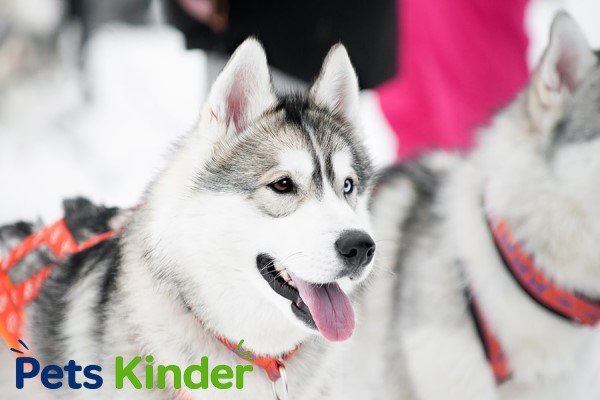
Eye color ranges widely brown, blue, amber, or heterochromia are all possible, especially in individuals with strong Siberian Husky influence. Ears are usually erect and forward-facing, giving them a sharp, alert expression. Overall, the Alaskan Husky looks like exactly what it is: a finely tuned athlete.
Size and Weight
Most Alaskan Huskies fall into the medium-to-large size range. Males typically weigh between 40 to 60 pounds, while females tend to be slightly lighter, ranging from 35 to 50 pounds. Height at the shoulder usually sits between 20 to 24 inches. Compared to the stockier Siberian Husky, the Alaskan version is notably leaner built for speed and efficiency rather than brute pulling strength.
Temperament and Personality
The Alaskan Husky is energetic, focused, and deeply driven by instinct. These dogs are not content sitting around the house all day. They thrive on having a job to do, and without adequate physical and mental stimulation, they can become restless, vocal, and destructive. That said, they are also affectionate with their families, highly social, and generally good with children and other dogs when properly socialized from a young age.
Their intelligence is high not surprising given the working lineage. They pick up commands quickly but can also think independently, which means training requires consistency, patience, and a firm but kind hand. Positive reinforcement works best. These dogs respond poorly to heavy-handed methods.
Diet and Nutrition
Feeding a High-Performance Dog
Because the Alaskan Husky is built for endurance and hard work, its nutritional needs are substantial. A working or highly active Alaskan Husky requires a diet rich in high-quality protein and healthy fats to sustain energy output, support lean muscle, and maintain coat health in harsh conditions. For dogs actively used in sledding or racing, caloric needs can be dramatically higher than that of a typical family pet.
For companion Alaskan Huskies living a moderately active lifestyle, a high-quality large-breed kibble with real meat as the primary ingredient forms a solid dietary foundation. Look for formulas that emphasize omega-3 and omega-6 fatty acids, which support coat health, joint function, and cognitive sharpness. Avoid foods loaded with corn fillers, artificial colors, or unnamed meat by-products these offer poor nutritional return for such a capable dog.
Feeding Guidelines
Most adult Alaskan Huskies do best with two measured meals per day rather than free feeding. Total daily intake generally ranges from 2.5 to 4 cups of quality kibble, adjusted based on activity level, age, and individual metabolism. Fresh water should always be available, particularly after exercise. Always consult your veterinarian before making significant changes to your dog’s diet, especially as they age or if they have specific health conditions.
Health, Care, and Common Issues
Generally Hardy, But Not Without Risks
One of the advantages of the Alaskan Husky’s mixed heritage is a degree of hybrid vigor the genetic diversity that can reduce the concentration of inherited diseases found in closed purebred populations. Even so, there are several health concerns that owners should be actively aware of throughout their dog’s life.
Hypothyroidism
Hypothyroidism is one of the more commonly reported conditions in Alaskan Huskies, particularly in those from racing lines. The thyroid gland underperforms, leading to symptoms like unexplained weight gain, lethargy, coat thinning, and cold intolerance. Fortunately, it’s manageable with daily oral medication once diagnosed through a simple blood test.
Progressive Retinal Atrophy (PRA)
Eye disease is a concern in many northern breeds, and the Alaskan Husky is no exception. Progressive retinal atrophy is a degenerative eye condition that can eventually lead to blindness. Annual eye screenings by a certified veterinary ophthalmologist are a smart precaution, especially given the Siberian Husky and Husky puppies lineage that often contributes to the Alaskan Husky gene pool.
Hip Dysplasia and Joint Issues
Given the athletic demands placed on these dogs, joint health is a major consideration. Hip dysplasia a malformation of the hip joint can develop, especially in dogs that are over-exercised during their growth phase or allowed to become overweight. Maintaining a lean body condition throughout life significantly reduces the risk of joint-related problems. Supplements like glucosamine and fish oil can also support long-term joint health.
Bronchitis and Respiratory Issues
Known informally as “Alaskan Husky encephalopathy” in severe cases, some lines have shown susceptibility to respiratory and neurological conditions. While not universal, it’s worth discussing genetic health history with any breeder before bringing a puppy home.
Grooming and Day-to-Day Care
The Alaskan Husky’s coat is easier to maintain than that of a purebred Siberian Husky in most cases, though shedding is still very much a reality. Brushing two to three times per week keeps the coat healthy and manages loose fur. During seasonal coat blows in spring and fall, daily brushing becomes necessary. Routine nail trims, ear cleanings, and dental care complete the basic grooming picture.
Exercise is the most critical daily requirement. These dogs need a minimum of 60 to 90 minutes of vigorous activity each day and for true working-line dogs, even more. Running, hiking, bikejoring, skijoring, and agility training are all excellent outlets. Mental stimulation through puzzle feeders, obedience work, and scent games is equally important to prevent boredom.
Husky Puppies and Early Development
The Importance of Starting Early
Whether you’re raising Husky puppies from an Alaskan Husky litter or bringing home a young pup from a German Shepherd and Husky mix background, the early weeks and months of development set the foundation for everything that follows. Socialization between 3 and 14 weeks of age is the most influential window in a dog’s life. Expose your puppy to varied environments, sounds, people, and animals during this period to build a confident, well-adjusted adult dog.
Crate training, leash manners, and basic obedience should begin immediately not because these dogs are difficult, but because their intelligence means they’re constantly learning, whether you’re intentionally teaching them or not. Consistent, reward-based training from day one makes everything easier down the road.
Lifespan and Long-Term Considerations
How Long Does the Alaskan Husky Live?
With proper care, the Alaskan Husky typically lives between 10 to 15 years a respectable lifespan for a dog of its size and energy level. Their mixed genetic heritage often contributes to good overall resilience, particularly when compared to some purebred lines that carry heavier disease burdens.
As these dogs enter their senior years generally around age eight or nine they begin to slow down naturally. Joint support becomes more important, caloric needs may decrease, and biannual veterinary visits replace annual ones. Watch for changes in mobility, appetite, or behavior, as these often signal developing health issues that are easier to manage when caught early.
Is the Alaskan Husky Right for You?
The Alaskan Husky is an extraordinary dog capable, loyal, beautiful in its own rugged way, and deeply rewarding for the right owner. But it’s not for everyone. This breed type demands an active lifestyle, consistent engagement, and a genuine willingness to meet its physical and mental needs every single day. Apartment living without serious daily exercise is a recipe for frustration on both sides.
For active families, outdoor enthusiasts, or anyone with a genuine love for working dogs, the Alaskan Husky offers a companionship experience that’s truly unlike any other. Give it the life it was built for, and it will give you everything it has in return.