Mini Cows Are Taking Over Backyard Farms — Here’s Everything You Need to Know

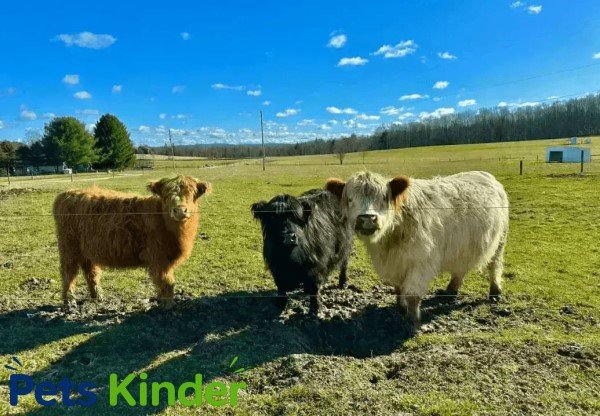
There’s something undeniably magnetic about a cow that fits in a small pasture, responds to its name, and produces just enough milk for a family’s daily needs without overwhelming a modest homestead. Mini cows also called miniature cattle are exactly that kind of animal, and their popularity has exploded in recent years among hobby farmers, homesteaders, and even suburban landowners with a few open acres. They’re not a novelty act or a social media gimmick. These compact, capable animals carry real agricultural value wrapped inside an irresistibly manageable package.
If you’ve been curious about mini cows but aren’t sure where to begin, this guide covers everything from their defining characteristics to their dietary needs, health challenges, and what ownership looks like over the long haul.
What Exactly Are Mini Cows?
Defining the Miniature Cattle Category
Mini cows are purebred or selectively bred cattle that stand significantly shorter than standard breeds. While a full-size Holstein might reach 58 to 62 inches at the shoulder, most miniature cattle breeds measure between 36 and 48 inches tall at full maturity. Some micro-miniature varieties stand even shorter under 36 inches though these are rarer and often come with more specific health considerations.
Miniaturization in cattle happened through two primary routes. Some breeds, like the Dexter, are naturally small and have existed for centuries in Ireland as dual-purpose farm animals. Others were developed through selective breeding programs that took standard breeds Herefords, Jerseys, Zebus, Angus and carefully bred for smaller stature across multiple generations without sacrificing structural soundness or productivity.
Popular Mini Cow Breeds Worth Knowing
The Dexter is probably the most widely recognized miniature cattle breed in North America and the United Kingdom. Hardy, efficient, and genuinely good-natured, Dexters produce a respectable volume of rich milk and also yield quality beef, making them a favorite on small farms. The Miniature Hereford offers that classic red-and-white coloring with a calm, easy-to-handle temperament that makes it excellent for families and first-time cattle owners.
Miniature Jerseys have developed a devoted following among homesteaders who want dairy production without a full-size commitment. They produce milk with notably high butterfat content great for making butter and cheese at home. Zebu-based miniatures, sometimes called Mini Brahman, handle heat exceptionally well and bring a distinctive humped appearance that turns heads wherever they go.
Physical Characteristics and Temperament
Size, Build, and Visual Appeal
Beyond their compact stature, mini cows are structurally proportional animals. They’re not dwarf versions of large cattle at least not the well-bred ones. Their legs, body depth, and head size all correspond naturally to their overall frame. This matters more than it sounds, because poorly bred miniature cattle can develop skeletal abnormalities and joint issues that compromise their quality of life significantly.
Their coats vary by breed, ranging from the sleek, short hair of the Miniature Hereford to the sometimes shaggy, dense coat of certain Dexter lines. Color patterns run the full gamut: solid black, red, white, brindle, and various spotted combinations all appear across different breeds.
Personality and Handling
One trait that consistently surprises new mini cow owners is how personable these animals can be. Because they’re easier to handle than full-size cattle, many owners interact with them more frequently from a young age, which naturally produces calmer, more socialized animals. Mini cows that receive regular human contact often become genuinely friendly walking up to the fence, accepting gentle handling, and integrating smoothly into the rhythm of a working small farm. They’re not dogs, but they’re far more interactive than most people expect from cattle.
Diet and Nutrition
Core Nutritional Needs
Mini cows are ruminants, so their digestive systems are built around fiber-rich forage. High-quality grass hay forms the cornerstone of their diet year-round. In warmer months, access to well-managed pasture can meet most of their forage needs, though the pasture quality matters enormously. Overgrazed, nutrient-depleted pasture won’t sustain a mini cow any better than it would a full-size one.
Because of their smaller body mass, mini cows consume considerably less than standard cattle roughly 30 to 50 percent less feed per animal, depending on the breed and individual size. That reduced consumption is one of the key economic arguments for miniature cattle on small properties where feed costs and land area are both limited.
Supplements and Additional Feed
Grain supplementation becomes necessary during certain life stages growing calves, pregnant or lactating cows, and animals in particularly cold climates benefit from added energy sources. A modest amount of a balanced cattle grain ration, combined with free-choice mineral supplementation, covers most nutritional gaps that hay and pasture leave behind. Loose mineral blocks formulated for cattle are preferable to lick blocks for most miniature breeds, since they allow more controlled intake.
Fresh, clean water access is non-negotiable. Adult mini cows drink anywhere from 5 to 15 gallons of water daily, depending on temperature, diet moisture content, and whether they’re lactating. That range widens considerably in summer heat.
Health, Care, and Common Issues
Routine Care and Preventive Health
Caring for mini cows follows largely the same framework as caring for standard cattle, just at a more manageable scale. Annual vaccinations against core bovine diseases including IBR, BVD, PI3, and BRSV form the foundation of any solid preventive health program. Deworming protocols should be based on fecal egg counts rather than calendar-based schedules, since overuse of dewormers accelerates parasite resistance.
Hoof care is one area that miniature cattle owners sometimes underestimate. Hooves grow continuously and require trimming at least once or twice a year under normal conditions. Wet environments or soft pasture can accelerate growth and increase the risk of foot rot if hooves aren’t monitored closely. Fly control also matters, particularly in summer, because biting insects stress cattle and spread certain diseases between animals.
Common Health Problems in Mini Cows
Chondrodysplasia in Dexter Cattle
Dexter cattle carry a gene associated with a skeletal condition called chondrodysplasia, sometimes called the “bulldog gene.” When two carriers are bred together, the resulting calf called a bulldog calf is non-viable and typically stillborn. Responsible Dexter breeders DNA test their animals and avoid pairing two carriers. It’s a serious genetic consideration for anyone buying Dexters for breeding purposes.
Bloat
Like all ruminants, mini cows are susceptible to bloat, a dangerous buildup of gas in the rumen that can become life-threatening within hours if not addressed. Lush, wet legume pasture particularly clover-heavy fields poses the greatest bloat risk. Transitioning cattle slowly onto rich spring pasture, feeding dry hay before turnout, and monitoring animals closely during high-risk periods all reduce the danger substantially.
Pinkeye and Respiratory Infections
Infectious bovine keratoconjunctivitis, commonly called pinkeye, spreads quickly in herds and can cause serious eye damage or even blindness if left untreated. Flies are the primary vector, so effective fly control serves double duty as pinkeye prevention. Respiratory infections, meanwhile, tend to strike stressed or newly transported animals most often. Good ventilation, low-stress handling, and avoiding abrupt feed changes all help keep respiratory illness at bay.
Grass Tetany
Grass tetany a magnesium deficiency triggered most commonly by rapid spring grass growth causes nervous system symptoms and can kill cattle quickly. Supplementing with magnesium, particularly during early spring when pasture is growing fast, is a straightforward and cost-effective preventive measure that every mini cow owner should know about.
Lifespan and Long-Term Considerations
How Long Do Mini Cows Live?
Mini cows generally live between 12 and 25 years, with many well-cared-for individuals reaching the higher end of that range. Dexters in particular are known for their longevity, with productive cows sometimes remaining in good health and breeding condition well into their teens. That lifespan means committing to an animal for a significant portion of your farming life a reality worth thinking through carefully before bringing one home.
Space, Fencing, and Infrastructure
Each mini cow needs roughly half an acre to one acre of pasture, depending on grass quality and regional climate. Fencing needs to be sturdy but doesn’t require the heavy-gauge infrastructure that full-size cattle demand. Standard field fencing or well-maintained electric fencing works effectively for most miniature breeds. A three-sided shelter or small barn provides adequate weather protection in most climates, though dairy animals benefit from more structured housing during milking season.
Is a Mini Cow Right for You?
Mini cows fit a specific type of owner particularly well someone who wants real agricultural productivity from a small property without scaling up to full commercial cattle farming. They’re genuinely versatile animals. Depending on the breed, a single mini cow can supply a family with fresh milk, provide beef for the freezer, and add a living, breathing sense of purpose to a small farm. The learning curve exists, but it’s gentler than most new owners expect. And once you’ve spent a quiet morning feeding a Miniature Jersey who nudges your shoulder looking for attention, it becomes very difficult to imagine the farm without her.