Cats have a well-earned reputation for being obsessive self-groomers. They spend a good chunk of their waking hours licking, preening, and grooming themselves with impressive dedication. So it might surprise you to learn that many cats actually need help from a professional cat groomer and that skipping this care can lead to real health problems down the line. Whether you’re a first-time cat parent or a seasoned feline enthusiast, understanding the role of a cat groomer is more important than most people realize.
Why Professional Cat Grooming Isn’t Just About Looks
When most people think about grooming, they picture a fluffy Persian coming out of a salon looking like royalty. And sure, that’s part of it. But professional cat grooming goes far beyond aesthetics. A skilled cat groomer checks your pet’s skin for irregularities, spots matting before it becomes painful, and can identify early signs of infections, parasites, or unusual lumps that you might miss at home.
Cats are also notorious for hiding discomfort. By the time you notice something is wrong, the issue may have been brewing for weeks. Regular grooming appointments give a trained professional the chance to catch problems early and that can make all the difference.
The Key Services a Cat Groomer Provides
A professional cat groomer typically offers much more than a simple bath. Here’s what a comprehensive grooming session usually includes:
Bathing and Blow-Drying Most cats don’t need frequent baths, but when they do due to skin conditions, fleas, or getting into something messy, a cat groomer has the tools and techniques to make the process safe and as stress-free as possible. They use cat-specific shampoos that won’t irritate sensitive skin.
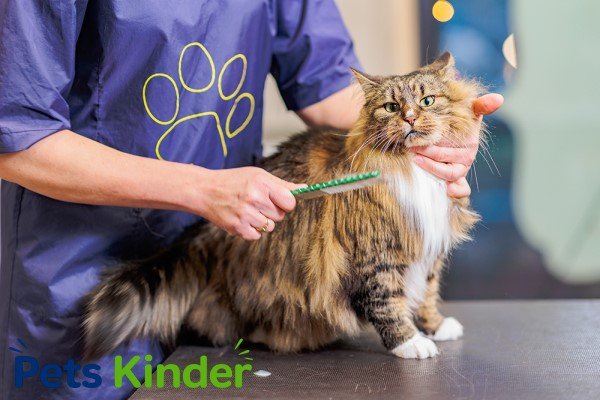
Coat Brushing and De-Matting Long-haired breeds like Maine Coons, Ragdolls, and Persians are especially prone to matting. Mats aren’t just unsightly, they can pull the skin, cause pain, and even lead to skin infections underneath. A cat groomer knows how to carefully work through tangles without hurting your cat.
Nail Trimming Overgrown nails can curl back into a cat’s paw pads, causing intense pain and infection. Many cat owners struggle with nail trims at home because their cats won’t cooperate. A cat groomer handles this quickly and safely.
Ear Cleaning Ears that aren’t kept clean can become breeding grounds for bacteria and yeast. A groomer will gently clean the outer ear canal and flag any redness or unusual odor that might signal an infection.
Lion Cuts and Specialty Styling For cats with severe matting or cats that overheat easily, a lion cut where most of the body coat is clipped short is a popular solution. A professional cat groomer performs this carefully to avoid nicking the skin.
What Makes a Great Cat Groomer
Not all groomers are created equal, and this matters a lot when it comes to cats. Dogs are far more commonly groomed than cats, and some dog groomers take on feline clients without the specific training required. Cats have different temperaments, thinner and more delicate skin, and they stress far more easily than dogs in unfamiliar environments.
Key Characteristics to Look For
A truly skilled cat groomer will demonstrate patience above all else. Cats read energy and respond poorly to rushing or rough handling. The best groomers move slowly, speak softly, and know when to take a break rather than push a stressed cat past its limit.
Fear-Free Certification
Many top groomers now pursue Fear Free certification, a training program specifically designed to minimize anxiety during grooming sessions. If a cat groomer mentions this credential, it’s a genuinely good sign. Fear-Free techniques include minimizing restraint, using calming pheromone sprays, and creating a quiet, low-stimulation environment.
Experience With Your Breed
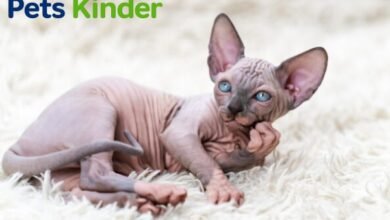
Some breeds like the hairless Sphynx, the double-coated Norwegian Forest Cat, or the thick-furred Siberian require specialized knowledge. When choosing a cat groomer, ask specifically about their experience with your cat’s breed. A groomer who has worked extensively with Persians, for example, will understand the unique challenges of managing that spectacular but high-maintenance coat.
Cat-Only or Cat-Friendly Salons
The presence of barking dogs is enormously stressful for most cats. Whenever possible, look for a groomer who operates a cat-only salon or who schedules cats during separate, dog-free hours. This small detail can make a huge difference in how your cat tolerates the experience.
Cat Grooming and Your Cat’s Health
Grooming is deeply connected to a cat’s overall health and that connection runs in both directions. A healthy cat generally maintains its own coat well. But illness, obesity, arthritis, or dental pain can all interfere with a cat’s ability to self-groom, leading to a matted, greasy, or unkempt coat. When a cat groomer notices this kind of sudden deterioration, it’s often a signal to check in with your veterinarian.
Common Health Issues Discovered During Grooming
Skin Parasites Fleas, ticks, and mites are often spotted first during grooming sessions. A cat groomer may notice “flea dirt” tiny black specks that look like ground pepper or actual fleas moving through the coat. Catching an infestation early prevents it from spreading and makes treatment much easier.
Seborrhea and Dandruff Dry, flaky skin is surprisingly common in cats, especially during winter months when indoor heating drops humidity levels. A good cat groomer will note this and may recommend dietary adjustments or a humidifier.
Abscesses and Wounds Outdoor cats especially can come home with bite wounds hidden under dense fur. These wounds close over quickly on the surface but continue to fester underneath, sometimes developing into painful abscesses. Grooming uncovers these injuries before they become serious.
Dental and Oral Indicators While a cat groomer isn’t a veterinarian, they often notice bad breath, drooling, or reluctance to open the mouth all of which can indicate dental disease. Since dental problems are one of the most common health issues in cats over three years old, an early heads-up from your groomer is valuable.
How Often Should You Visit a Cat Groomer?
The answer depends heavily on your cat’s breed, coat type, and lifestyle. Short-haired cats like American Shorthairs or Siamese may only need professional grooming two to four times per year. Long-haired breeds, on the other hand, often benefit from monthly appointments to prevent matting and keep the coat manageable.
Senior cats and overweight cats should visit a cat groomer more frequently, since they struggle most with self-grooming. Similarly, cats recovering from illness or surgery may need extra grooming support while they regain their strength.
Supporting Your Cat’s Coat at Home Between Appointments
Even when you work with a professional cat groomer, home care matters. Brush your cat regularly using a comb or slicker brush appropriate for their coat type. Introduce brushing gradually and make it a positive experience with treats and gentle handling. This not only keeps the coat in better condition between grooming appointments but also strengthens the bond between you and your cat.
Diet plays a supporting role too. A high-quality diet rich in omega-3 and omega-6 fatty acids promotes a shiny, healthy coat from the inside out. Look for cat foods with named fish or meat as the first ingredient, and consider a fish oil supplement if your veterinarian recommends it.
The Long-Term Picture: Grooming Across a Cat’s Lifetime
Kittens who are introduced to grooming early tend to tolerate it much better as adults. If you have a young cat, start short, gentle brushing sessions at home as soon as possible, and schedule a first visit to a cat groomer within the first year. This builds familiarity and reduces stress over the long term.
As cats age into their senior years typically around age 10 and beyond grooming becomes even more critical. Older cats often develop arthritis, making it painful to reach certain areas of their body. They may also lose muscle tone, which affects their ability to maneuver during grooming. A compassionate, experienced cat groomer understands how to work with elderly cats, adjusting the session pace and handling technique accordingly.
Ultimately, finding the right cat groomer is one of the best investments you can make in your cat’s wellbeing. It’s not an indulgence, it’s a genuine part of responsible cat ownership. With the right professional by your side, your cat can stay healthy, comfortable, and looking their very best for years to come.