Discover the characteristics, care needs, nutrition, health, and lifelong considerations of this stunning equine companion
Understanding the sorrel horse and Its Unique Appeal
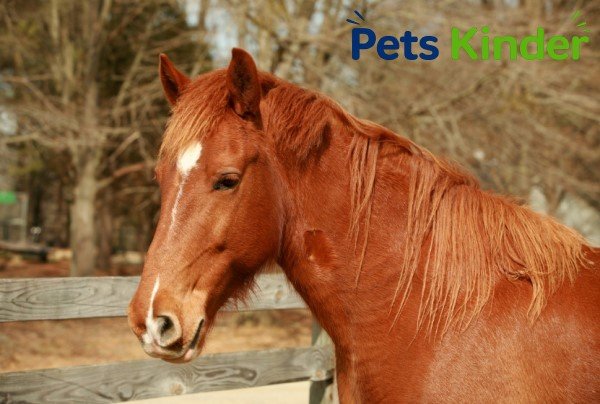
A sorrel horse is admired by horse lovers for its warm reddish coat, graceful appearance, and strong connection with people. The term “sorrel” generally describes a horse with a copper, reddish, or chestnut-colored coat, often paired with a mane and tail that may range from the same shade to lighter tones.
Beyond its attractive appearance, the sorrel horse represents many of the qualities people value in horses, including loyalty, athletic ability, intelligence, and adaptability. These horses can be found in many disciplines, from casual riding and ranch work to competitive events.
Understanding their characteristics, care requirements, and long-term needs helps owners provide a healthy and fulfilling life for these remarkable animals.
Key Features and Characteristics
Appearance and Physical Traits
The sorrel horse is known primarily for its distinctive reddish coat color. Unlike some horse breeds that are identified by specific body types, “sorrel” refers mainly to coloration rather than a breed. This means horses of many different breeds can have a sorrel coat.
The shade of red can vary from light golden copper to deep reddish tones. Some horses may have flaxen manes and tails, creating a beautiful contrast with their body color. Others may have darker points that give them a bold and striking appearance.
Horse structure, size, and physical ability depend on the breed and genetics. Some sorrel-colored horses are built for speed and agility, while others are known for strength, endurance, or calm temperaments.
Personality and Behavior
Many horse owners appreciate the intelligence and willingness of these animals. A sorrel horse can develop a strong bond with its handler when treated with patience and consistency.
Horses are highly social animals that communicate through body language, sounds, and behavior. Learning to recognize signs of comfort, stress, excitement, or fear helps owners build trust.
A horse’s temperament is influenced by genetics, training, environment, and daily care. Proper socialization and respectful handling can help create a confident and cooperative companion.
Diet and Nutrition Requirements
Feeding a sorrel horse properly is essential for maintaining energy, muscle condition, healthy skin, and a shiny coat. Horses are grazing animals and naturally consume a diet based around forage.
High-quality hay or pasture grass usually forms the foundation of their nutrition. These sources provide fiber that supports healthy digestion. Depending on activity level, age, and health needs, some horses may require additional grain or specially formulated feeds.
Fresh water should always be available because hydration plays an important role in digestion and overall health. Salt and mineral supplements may also be needed depending on the horse’s diet and environment.
Owners should avoid sudden changes in feeding routines because horses have sensitive digestive systems. Any diet adjustments should be introduced gradually to reduce the risk of digestive problems.
Health, Care, and Common Issues
Daily Care and Grooming Needs
Caring for a sorrel horse involves regular grooming, exercise, and health monitoring. Grooming is not only important for appearance but also helps maintain skin health and allows owners to notice injuries, swelling, or unusual changes.
Regular brushing removes dirt and loose hair while improving circulation. Hoof care is another essential responsibility because healthy feet are necessary for movement and comfort.
Horses also need appropriate shelter and protection from extreme weather conditions. A clean living area, safe fencing, and enough space to move freely contribute to better physical and emotional health.
Common Health Problems
Caring for a sorrel horse requires awareness of common equine health concerns. Horses may experience issues such as colic, hoof problems, joint conditions, respiratory concerns, and skin conditions.
Regular veterinary examinations and preventive care can help identify problems before they become serious. Dental checkups are also important because horses require proper dental health to chew food effectively.
Vaccinations, parasite control, and routine hoof trimming are important parts of responsible horse ownership. Owners should monitor changes in appetite, energy, movement, or behavior because these may indicate underlying issues.
Characteristics, Lifespan, and Long-Term Considerations
The lifespan of a sorrel horse can vary depending on genetics, healthcare, nutrition, and lifestyle. With proper care, many horses can live for several decades and remain valued companions throughout their lives.
Owning a horse is a long-term commitment that requires time, financial planning, and dedication. Horses need daily care, regular exercise, professional health support, and emotional attention.
A horse’s needs may change as it ages. Older horses may require adjustments in diet, exercise routines, and veterinary support to maintain comfort and mobility.
Choosing a sorrel horse should involve considering not only appearance but also temperament, training level, health history, and compatibility with the owner’s experience.
Training and Building a Strong Relationship
A well-trained sorrel horse can become a dependable and enjoyable riding partner. Training works best when it is based on trust, patience, and clear communication.
Positive handling methods help horses understand expectations while maintaining confidence. Consistent routines and gentle guidance encourage better behavior.
Horses can learn many skills, from basic commands to advanced riding techniques. Mental stimulation and regular interaction help prevent boredom and support a balanced personality.
Choosing and Caring for Your Horse
Choosing a sorrel horse involves understanding the responsibilities that come with ownership. Potential owners should evaluate their available space, experience level, budget, and ability to provide daily care.
A healthy horse requires more than food and shelter. Emotional well-being, companionship, exercise, and respectful treatment all contribute to a better quality of life.
The connection between a horse and its owner develops over time. Patience and consistency create trust, making the relationship more rewarding for both.
Final Thoughts on the sorrel horse
The sorrel horse continues to capture attention because of its beautiful appearance, versatility, and strong personality. While the reddish coat is what first attracts many people, these horses are valued for much more than color.
With proper nutrition, regular healthcare, responsible training, and thoughtful attention, a horse can become a lifelong companion. Understanding their needs is the foundation for creating a safe, healthy, and meaningful partnership with these incredible animals.