A complete guide to small dog personalities, care needs, nutrition, health concerns, and lifelong companionship
Small dogs have captured the hearts of families, singles, and seniors around the world because of their lovable personalities, manageable size, and ability to adapt to many living situations. When exploring types of small dogs, it is important to look beyond appearance and consider temperament, exercise needs, grooming requirements, and overall health. The right small dog can become a loyal companion for many years when its unique needs are understood.
Understanding the Types of Small Dogs and What Makes Them Special
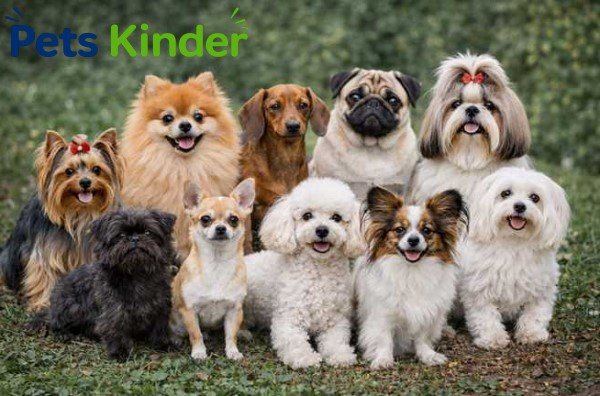
The many types of small dogs available today come with a wide variety of personalities. Some are energetic and playful, while others prefer a calm routine filled with cuddles and companionship. Breeds such as the Chihuahua, Pomeranian, Shih Tzu, Yorkshire Terrier, and French Bulldog each offer different traits that make them appealing to different owners.
Choosing a small dog is not only about finding a cute face. The best match depends on your lifestyle, home environment, activity level, and willingness to provide proper care. Some small dogs thrive in apartments, while others need regular exercise and mental stimulation to stay happy.
The types of small dogs that are most popular often share common qualities, including strong bonds with their owners, intelligence, and adaptability. However, every breed has individual characteristics that should be considered before bringing a new pet home.
Popular Types of Small Dogs and Their Unique Characteristics
Many owners research the top 10 small dog breeds before deciding which companion fits their lifestyle. These lists often include breeds known for their charm, trainability, and affectionate nature. Popular choices may include the Maltese, Dachshund, Cavalier King Charles Spaniel, Boston Terrier, and Miniature Schnauzer.
Some small breeds are excellent for families with children because they enjoy interaction and playtime. Others are better suited for quieter homes where they can receive plenty of attention from their owners. Understanding the types of small dogs available helps potential owners make thoughtful decisions instead of choosing only based on appearance.
Personality differences can be significant. For example, terrier breeds may be confident and energetic, while companion breeds are often more relaxed and people-focused. Researching individual breed traits is one of the most important steps before adoption.
Key Features of Different Types of Small Dogs
One of the biggest advantages of small dogs is their ability to fit into a variety of lifestyles. They usually require less space than larger breeds and can often adjust well to apartments or smaller homes. However, small size does not always mean low maintenance.
Many types of small dogs have specific grooming needs. Long-haired breeds may require frequent brushing to prevent mats and tangles, while short-haired breeds may need less grooming but still benefit from regular baths and skin checks. Dental care is also especially important because smaller dogs can be more prone to dental problems due to their compact mouths.
Exercise requirements vary widely. Some small dogs are satisfied with short daily walks and indoor play, while others need more activity to prevent boredom. Training, puzzle toys, and interactive games can help keep their minds active.
Diet and Nutrition Needs for Small Dogs
Feeding a small dog properly plays a major role in maintaining a healthy weight and preventing future problems. Small breeds often have faster metabolisms compared with larger dogs, meaning they may require nutrient-dense food in smaller portions.
A balanced diet should include high-quality protein, healthy fats, essential vitamins, and minerals. Owners should avoid overfeeding because extra weight can put stress on small joints and increase the risk of health complications.
The right food depends on factors such as age, activity level, breed, and medical history. Puppies, adults, and senior dogs all have different nutritional needs. Fresh water should always be available, and treats should be given in moderation.
Health, Care, and Common Issues
Although many small dogs live long and happy lives, owners should be aware of common health concerns. Some small breeds may experience dental disease, allergies, joint problems, breathing issues, or genetic conditions.
For example, certain flat-faced breeds may have breathing challenges, while some tiny breeds may be more vulnerable to fragile bones or low blood sugar problems. Regular veterinary visits can help detect issues early and support long-term wellness.
Preventive care is essential. Vaccinations, parasite control, dental cleanings, and routine checkups all contribute to a healthier life. Responsible owners should also monitor changes in behavior, appetite, energy levels, and mobility.
Lifespan and Long-Term Considerations
Many small dogs enjoy impressive lifespans, with some living 12 to 16 years or even longer when properly cared for. Their longer life expectancy means owners should be prepared for a long-term commitment that includes medical care, training, exercise, and emotional support.
The types of small dogs that live the longest often benefit from healthy diets, regular activity, and early attention to potential health concerns. Aging small dogs may need adjustments in food, exercise routines, and home comfort to maintain quality of life.
Before choosing a pet, consider future responsibilities. A small dog may be easier to carry and manage physically, but it still requires daily attention, affection, and commitment.
Choosing Among the Types of Small Dogs for Long-Term Companionship
Before choosing among the types of small dogs, think about your daily routine and what kind of personality fits your household. An active person may enjoy an energetic breed, while someone looking for a relaxed companion may prefer a calmer dog.
The top 10 small dog breeds are often discussed because they represent some of the most beloved choices, but popularity does not always mean the best match. A breed that works perfectly for one family may not suit another.
Meeting dogs, learning about breed behaviors, and speaking with responsible breeders or rescue organizations can help you find the right companion. The strongest relationships develop when owners understand and respect their dog’s individual needs.
Final Thoughts on Finding the Right Small Dog
Small dogs bring incredible joy, loyalty, and companionship into people’s lives. From playful personalities to affectionate temperaments, the variety of choices makes it possible for many households to find the right match.
These types of small dogs each have unique qualities, care requirements, and personalities that make them special. With proper nutrition, regular healthcare, training, and love, a small dog can become a cherished member of the family for many years.
Whether you are researching the top 10 small dog breeds or simply exploring your options, the most important choice is finding a dog whose needs and personality align with your lifestyle.