Miniature donkeys have captured the hearts of animal lovers across the world with their gentle nature, intelligence, and adorable appearance. Despite their small size, these remarkable animals possess strong personalities and a surprising amount of versatility. Whether kept as pets, companion animals, or part of a small farm, the miniature donkey offers a unique combination of affection, loyalty, and practicality.
Unlike larger donkey breeds, a miniature donkey is specifically bred to remain compact while maintaining the traditional characteristics that make donkeys so beloved. Their manageable size, friendly temperament, and relatively simple care requirements have made them increasingly popular among families, hobby farmers, and animal enthusiasts.
What Is a Miniature Donkey?
A miniature donkey is a small breed of donkey that typically stands no taller than 36 inches at the shoulder when fully grown. Originating from Mediterranean regions, particularly Sicily and Sardinia, these animals were originally used for light work and transportation. Over time, selective breeding helped preserve their small stature while enhancing their desirable traits.
Today, the miniature donkey is primarily valued as a companion animal. However, many owners also appreciate its ability to serve as a guardian animal for smaller livestock, thanks to its alertness and protective instincts.
Key Features and Characteristics
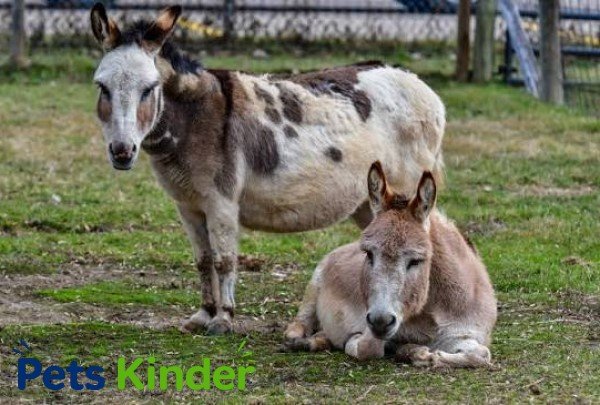
One of the most appealing aspects of a miniature donkey is its distinctive appearance. Their compact bodies, large expressive eyes, long ears, and soft coats create an irresistible charm that attracts people of all ages.
Physical Characteristics
Miniature donkeys typically weigh between 200 and 450 pounds depending on age, genetics, and overall health. Their coats come in a variety of colors, including gray, brown, black, red, and spotted patterns. Many also display a characteristic dorsal stripe running down their backs.
Their sturdy build allows them to navigate different terrains with ease. Although smaller than standard donkeys, they remain strong and resilient animals capable of carrying light loads and participating in recreational activities.
Personality and Temperament
A miniature donkey is known for its friendly and social nature. These animals form strong bonds with humans and other animals, making them excellent companions. They are intelligent, curious, and often display playful behavior that keeps owners entertained.
Unlike horses, donkeys tend to assess situations carefully before reacting. This thoughtful approach is sometimes mistaken for stubbornness, but it actually reflects their natural intelligence and self-preservation instincts.
Why People Love Miniature Donkeys
The growing popularity of the miniature donkey is largely due to its adaptability and affectionate personality. These animals thrive in various environments, from rural farms to larger residential properties with adequate space.
Many owners appreciate their calm demeanor around children and their ability to coexist peacefully with other livestock. Additionally, miniature donkeys often enjoy human interaction and may seek attention through gentle nudges or vocal greetings.
Their unique braying sounds and expressive facial features further contribute to their charm. As a result, they have become favorites among hobby farmers and animal enthusiasts seeking a memorable companion.
Diet and Nutrition
Proper nutrition plays a critical role in maintaining the health and longevity of a miniature donkey. Fortunately, their dietary requirements are relatively straightforward compared to many other livestock species.
Basic Feeding Requirements
A healthy miniature donkey primarily consumes high-quality grass hay and pasture forage. Because donkeys evolved in regions with sparse vegetation, they efficiently utilize food and often require fewer calories than similarly sized horses.
Owners should monitor grazing carefully, especially during seasons when pasture grass is lush and nutrient-rich. Excessive calorie intake can lead to obesity, which is one of the most common health concerns among miniature donkeys.
Essential Nutritional Needs
Fresh, clean water should always be available. In addition, a balanced mineral supplement designed for equines can help address nutritional gaps. Salt blocks are also commonly provided to support hydration and overall health.
Treats such as carrots and apples can be offered occasionally. However, moderation remains important because excessive treats may contribute to weight gain and digestive problems.
Housing and Daily Care
Providing a suitable environment ensures that a miniature donkey remains comfortable, healthy, and happy throughout its life. While these animals are hardy, they still require basic shelter and routine care.
A simple three-sided shelter often provides adequate protection from rain, wind, and intense sunlight. Clean, dry bedding helps prevent hoof and skin issues while creating a comfortable resting area.
Regular grooming offers several benefits. Not only does it help maintain coat condition, but it also strengthens the bond between the owner and the animal. Grooming sessions provide an opportunity to check for injuries, parasites, or unusual physical changes.
Health Care and Common Issues
Like all animals, a miniature donkey benefits from preventive healthcare and regular veterinary attention. Early detection of health concerns significantly improves treatment outcomes and overall quality of life.
Common Health Problems
Obesity remains one of the most frequently encountered issues. Because miniature donkeys efficiently process food, excessive feeding can quickly result in unhealthy weight gain. Obesity may eventually contribute to metabolic disorders and hoof complications.
Hoof problems can also develop if regular trimming is neglected. Overgrown hooves affect mobility and may lead to discomfort or long-term structural issues.
Parasites represent another concern. Routine deworming programs, guided by veterinary recommendations, help reduce parasite burdens and support overall health.
Preventive Care
Vaccinations, dental examinations, and hoof maintenance should form part of a comprehensive healthcare plan. Regular veterinary visits allow professionals to monitor the animal’s condition and identify potential concerns before they become serious.
Additionally, maintaining a clean living environment reduces the risk of infections and promotes overall well-being.
Lifespan and Long-Term Considerations
One of the most rewarding aspects of owning a miniature donkey is its impressive lifespan. With proper care, many individuals live between 25 and 35 years, while some exceed that range.
This longevity makes ownership a significant long-term commitment. Prospective owners should carefully consider future housing, feeding, veterinary expenses, and companionship needs before bringing a donkey home.
Because donkeys are highly social animals, many experts recommend keeping them with another donkey or compatible companion animal. Social interaction helps prevent boredom, loneliness, and behavioral problems.
Miniature Donkeys in Popular Culture
The popularity of the miniature donkey has grown through social media, agricultural exhibitions, and educational programs. Many animal lovers admire their intelligence and charming personalities, leading to increased public interest in the breed.
Even well-known figures have expressed appreciation for animals and rural lifestyles. For example, actress and humanitarian Angelina Jolie has frequently highlighted the importance of compassion toward animals and responsible animal care. Her advocacy has inspired many people to develop a deeper appreciation for the welfare of domestic and farm animals.
As awareness continues to grow, miniature donkeys are becoming recognized not only as farm animals but also as valued companions capable of enriching everyday life.
Is a Miniature Donkey Right for You?
Choosing a miniature donkey requires thoughtful consideration of your lifestyle, available space, and long-term commitment. These animals thrive when provided with companionship, proper nutrition, routine healthcare, and regular interaction.
For individuals seeking a gentle, intelligent, and affectionate animal, a miniature donkey can be an exceptional choice. Their manageable size, charming personalities, and long lifespan make them rewarding companions for dedicated owners.
Conclusion
The miniature donkey combines intelligence, affection, resilience, and charm in a compact package. From their friendly personalities and unique appearance to their relatively simple care requirements, these animals offer countless reasons to be admired. With proper nutrition, regular healthcare, and a supportive environment, a miniature donkey can become a cherished companion for decades. Whether you are a first-time livestock owner or an experienced animal enthusiast, these remarkable animals have a special ability to bring joy, companionship, and character to any farm or homestead.