Shaggy, Sturdy, and Simply Stunning: Everything You Need to Know About the Highland Cow

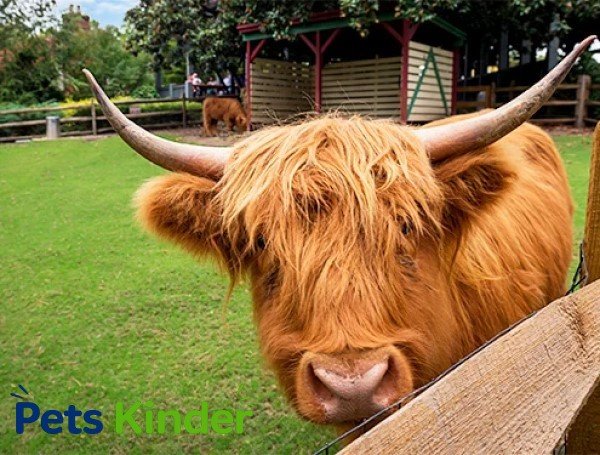
There are few animals in the world that stop people in their tracks quite like a highland cow. With its sweeping horns, flowing russet coat, and calm, soulful eyes peeking out from beneath a curtain of thick hair, this breed carries a kind of wild elegance that feels almost mythological. Originally bred to survive the harsh, windswept terrain of the Scottish Highlands, this animal is one of the oldest registered cattle breeds in the world. And yet, despite centuries of history, the highland cow has never been more popular in farming circles, on social media, and even as a family-friendly farm animal.
Whether you’ve seen one on a misty hillside, spotted a miniature version at a petting zoo, or you’re seriously searching for a highland cow for sale to add to your own land, this guide covers everything you need to know from physical characteristics and diet to health care and lifespan.
A Breed Born in the Highlands: Key Characteristics
The scottish highland cow is the original version of this breed, shaped by centuries of natural selection in one of the world’s most demanding climates. These cattle developed a double-layered coat a long, oily outer layer that repels rain and wind, and a soft, dense undercoat that insulates against the cold. This combination makes them uniquely suited to wet, frigid environments where most other breeds would struggle to thrive.
Size, Build, and That Iconic Look
Highland cattle are medium-sized animals, generally compact and muscular rather than towering. Mature bulls typically weigh between 1,500 and 1,800 pounds, while cows usually fall in the range of 900 to 1,200 pounds. Both males and females carry long, sweeping horns a feature that makes them immediately recognizable and gives them a regal, almost prehistoric presence. Their legs are short and sturdy, and their wide-set hooves allow them to navigate uneven, rocky terrain with surprising ease.
Color Variations
While the deep red-orange coat is probably the most iconic, highland cows actually come in a wide range of colors including black, yellow, dun, brindle, silver, and white. Each color variation is accepted under the breed standard, making highland cattle one of the more visually diverse purebred cattle breeds in the world. That said, the warm auburn and red tones tend to be the fan favorites and the ones most likely to go viral on Instagram.
The Mini Highland Cow
In recent years, breeders have developed what is affectionately called the mini highland cow a smaller version of the breed that stands around 36 to 42 inches tall at the shoulder. These animals retain all the charm and physical features of the standard highland cow but in a more compact, manageable package. They’ve become especially popular with hobby farmers, small landowners, and families who want the experience of raising cattle without the space requirements that full-sized herds demand. A mini highland cow typically weighs between 500 and 700 pounds and is known for its gentle, friendly temperament.
Diet and Nutrition: What Does a Highland Cow Eat?
One of the most impressive things about the highland cow is how efficiently it converts rough, low-quality forage into healthy body weight and muscle. Unlike many commercial breeds that require grain supplementation to perform well, highland cattle are natural foragers. They thrive on grass, heather, shrubs, and even coarse vegetation that other cattle would ignore entirely. This makes them an economical choice for landowners with pastures that aren’t particularly lush or well-managed.
Pasture Requirements and Feed Supplements
During the spring and summer months, highland cattle typically do well on open pasture alone. Fresh grass provides them with the protein, fiber, and minerals they need to maintain good condition. However, as winter sets in and pasture quality drops, it becomes important to supplement their diet with good-quality hay or silage. Some farmers also offer a small amount of mineral blocks to ensure the animals are getting adequate calcium, phosphorus, and trace elements, particularly during pregnancy and lactation.
Access to fresh, clean water is non-negotiable regardless of the season. Highland cattle, like all bovines, require consistent hydration to support digestion and overall metabolic function. During particularly cold winters, farmers often need to ensure water sources don’t freeze over, since dehydration can sneak up on cattle even when temperatures plummet.
Feeding the Highland Cow Baby
A highland cow baby called a calf begins life relying entirely on its mother’s milk for the first several months. Highland cows are famously attentive and protective mothers, and they typically produce enough milk to support their calves without any intervention. As the calf approaches two to three months of age, it will begin grazing alongside its mother, gradually learning to eat grass and forage. Full weaning usually occurs naturally between six and eight months, though some farmers choose to wean earlier depending on management goals.
Health, Care, and Common Issues
Despite their hardy reputation, highland cattle still require attentive, proactive care to stay healthy over the long term. The good news is that this breed has a naturally strong immune system, and they are far less prone to many of the common ailments that affect more commercially bred cattle. That said, responsible ownership means staying ahead of potential issues rather than waiting for problems to arise.
Routine Veterinary Care
Annual vaccinations are a cornerstone of any good cattle health program. Highland cattle should be vaccinated against common bovine diseases including bovine respiratory disease complex, leptospirosis, and clostridial infections. Deworming should also be part of the routine, since internal parasites like gastrointestinal roundworms can reduce nutrient absorption and weaken even the most robust animals. Working with a large animal veterinarian to establish a herd health calendar is the smartest move any highland cattle owner can make.
Hoof and Coat Maintenance
Hoof health is something that often gets overlooked until it becomes a serious problem. Highland cattle that are kept on soft or wet ground may need regular hoof trimming to prevent overgrowth and avoid issues like foot rot or laminitis. As for their legendary coat, it’s surprisingly low-maintenance the natural oils in the outer layer do most of the work. That said, in late spring and summer, highland cattle typically shed their winter coat significantly, and some farmers choose to help this process along with gentle brushing.
Common Health Concerns
Pink eye, or infectious bovine keratoconjunctivitis, is one of the more common issues highland cattle face, particularly in summer when flies are abundant. The long hair covering their face can sometimes trap moisture and debris around the eyes, creating conditions where bacteria thrive. Regular observation and prompt treatment with antibiotic eye drops can resolve most cases quickly. Additionally, bloat a dangerous buildup of gas in the rumen can occur if cattle consume large amounts of lush, wet legumes too quickly. Careful pasture management and gradual diet transitions significantly reduce this risk.
Lifespan and Long-Term Considerations
One of the most remarkable aspects of the highland cow is its exceptional longevity. While many commercial cattle breeds have a productive lifespan of eight to ten years, highland cattle commonly live well into their late teens and sometimes reach their early twenties. Cows have been known to produce calves at eighteen or even nineteen years of age, which is virtually unheard of in most other breeds. This longevity makes them an excellent long-term investment for farmers and smallholders who are building a sustainable herd.
Temperament and Handling
Despite their impressive horns and imposing appearance, highland cattle are generally known for their calm, docile temperament. They respond well to gentle, consistent handling and tend to become quite friendly when raised with regular human contact from a young age. This makes the highland cow and particularly the mini highland cow a popular choice for agritourism operations, educational farms, and families with children. That said, like any large animal, they command respect, and even the most laid-back cow can become unpredictable if she feels her calf is threatened.
Highland Cows and Celebrity Culture
It would be hard to write about highland cows in the modern era without mentioning just how deeply they’ve captured the cultural imagination. Scottish comedian and television personality Billy Connolly, who grew up with an abiding love for Scotland’s landscapes and wildlife, has long spoken about the beauty of highland cattle as symbols of Scottish identity and resilience. The breed has also earned a devoted following online, with accounts dedicated to highland cows particularly the shaggy-faced highland cow baby racking up millions of followers on platforms like Instagram and TikTok. Their photogenic quality has made them unlikely social media royalty.
Thinking About a Highland Cow for Sale?
If you’re seriously considering purchasing one of these magnificent animals, there are a few important things to think through before you commit. Finding a reputable breeder is the single most important step look for breeders who are registered with the Highland Cattle Society or an equivalent national registry. A well-bred animal from solid stock will be healthier, better-tempered, and more productive over its lifetime than one purchased without proper documentation or health records.
When searching for a highland cow for sale, consider your specific goals. Are you looking for a single companion animal for a small property? A mini highland cow might be the ideal fit. Do you want to build a breeding herd and eventually sell calves? Then you’ll need appropriate land, shelter, and a longer-term management plan. Either way, connecting with experienced highland cattle owners through local farming networks or breed associations will give you invaluable insight before you make your first purchase.
Final Thoughts
The highland cow is more than just a pretty face on a countryside calendar. It’s a living piece of agricultural history tough, adaptable, and surprisingly affectionate. From the iconic scottish highland cow thriving on windswept moors to the compact charm of the mini highland cow delighting visitors at farm parks, this breed has proven it belongs not just in the past but in the future of sustainable farming. If you’re drawn to an animal that combines beauty, resilience, and a genuinely gentle spirit, the highland cow just might be the perfect addition to your land and your life.