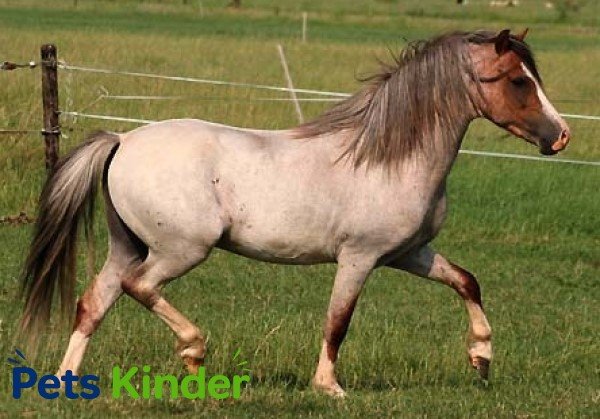
There’s something almost otherworldly about a roan horse standing in morning light. The coat seems to shift and shimmer base color and white hairs woven together so intimately that the horse appears to glow from within. It’s one of equine genetics’ most visually arresting phenomena, and yet the roan horse is far more than a pretty coat. Behind that distinctive color pattern lives a horse with deep historical roots, remarkable genetic complexity, and qualities that have made it a beloved partner across riding disciplines for generations.
What Is a Roan Horse, and What Makes It Unique?
A roan horse is defined by a very specific and genetically distinctive coat pattern in which white hairs intermingle evenly throughout the base coat, while the head, lower legs, mane, and tail retain the horse’s solid base color. This intermingling of white hairs across the body but not the points is what separates true roan from other dilute or mixed-coat patterns like gray, which progressively lightens over time. The roan horse, by contrast, maintains a consistent color throughout its entire life. The coat does not lighten or darken with age the way a gray horse’s coat does, making it one of the most stable and visually consistent color patterns in the equine world.
The roan gene is classified as a dominant gene, meaning a horse only needs one copy to express the roan coat pattern. A horse carrying two copies of the roan gene known as a homozygous roan was historically thought to be lethal in utero, but more recent research has challenged this assumption, suggesting that some homozygous roan horses do survive. Regardless, responsible breeders study roan genetics carefully to produce healthy, predictably colored offspring with this stunning coat.
The Different Types of Roan Horse Coat Patterns
Blue Roan: The Steel-Toned Showstopper
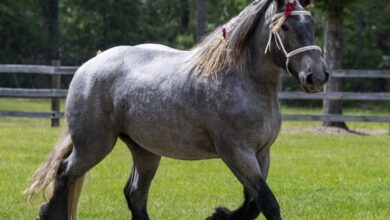
The blue roan horse carries a black base coat interspersed with white hairs, producing a cool, blue-gray tone across the body that shifts dramatically depending on the light. In bright sunlight, a blue roan can appear almost silver. In shade, the coat deepens to a rich, steel-blue hue. The mane, tail, and lower legs remain black, creating a sharp, high-contrast finish that makes the blue roan one of the most visually striking color variations in the entire roan category. Quarter Horses and Percherons frequently produce blue roan offspring, making this pattern relatively accessible across disciplines.
Red Roan: Warm, Fiery, and Instantly Recognizable
The red roan horse sometimes called a strawberry roan carries a chestnut base coat mixed with white hairs, producing a warm, pinkish-red tone that glows in sunlight. Unlike the blue roan, which conveys a cool, metallic energy, the red roan radiates warmth and vibrancy. The mane and tail typically remain chestnut or flaxen, softening the overall appearance and giving red roan horses a particularly approachable, almost painterly aesthetic. This variation appears frequently in Quarter Horses, Belgians, and Mustangs and enjoys considerable popularity in Western pleasure and trail riding communities.
Bay Roan: Rich Color with Classic Definition
The bay roan horse combines a bay base coat red-brown body with black points with the roan pattern’s characteristic white hair intermingling. The result is a rich, complex color that retains the bay’s classic black mane, tail, and leg definition while the body takes on a rosy, frosted appearance. Bay roan horses are particularly striking because the contrast between the frosted body and the sharp black points creates a natural sense of depth and dimension that few other coat patterns can match. Breeds such as the Quarter Horse, Paint, and Mustang commonly produce bay roan offspring.
Physical Characteristics of the Roan Horse Beyond the Coat
How the Roan Coat Behaves Through Seasons and Injuries
One of the most fascinating physical characteristics of the roan horse involves how its coat responds to injury. When a roan horse sustains a wound or develops a scar, the hair that regrows in that area typically grows back as solid-colored hair matching the base coat color rather than the roan mix. This creates distinctive dark patches on an otherwise frosted coat, a phenomenon sometimes called corn marks or sites. These marks are unique to each roan horse and can serve as individual identifying features, much like natural brands, making roan horses surprisingly easy to identify once you know what to look for.
Additionally, the roan horse coat undergoes subtle seasonal shifts. During winter, the coat grows thicker and the roan pattern often appears more pronounced as the longer, denser hairs amplify the mixing of colors. In summer, after shedding, the coat lies flatter and the base color tends to read more clearly beneath the white intermingling. These seasonal variations give the roan horse a dynamic visual quality across the calendar year that owners consistently find captivating rather than inconsistent.
Roan Horse Diet and Nutritional Needs
Building a Forage-First Nutritional Program
The roan horse, like all horses regardless of coat color, thrives on a forage-centered diet. Quality grass hay or mixed hay forms the nutritional backbone of a sound feeding program, providing the fiber necessary for healthy gut motility and hindgut microbial function. Horses should consume between 1.5 and 2.5 percent of their body weight in forage daily, and pasture access during appropriate seasons supplements this requirement naturally. For roan horses in moderate to heavy work, adding a fortified grain concentrate two to three times per day ensures that elevated caloric and micronutrient demands are consistently met without disrupting digestive stability.
Nutrition That Supports Coat Quality and Shine
Because the roan horse’s coat is its most defining feature, owners naturally invest in nutritional strategies that enhance coat quality and vibrancy. Omega-3 fatty acids, found in flaxseed, chia seeds, and fish oil supplements, support healthy skin cell function and produce a deep, glossy sheen that makes the roan pattern appear richer and more vivid. Biotin supplementation at 20 milligrams per day strengthens hoof integrity and improves overall hair quality. Furthermore, ensuring adequate Vitamin E and selenium intake particularly in horses without access to fresh pasture supports skin health and immune function, both of which directly influence coat appearance.
Roan Horse Health, Care, and Common Issues
Routine Health Care for the Roan Horse
The roan horse does not carry any coat-color-linked health conditions the way some other color patterns do unlike the double dilute horses that can suffer from severe vision and skin abnormalities, or the Frame Overo pinto that carries the lethal white gene risk. This makes the roan one of the safest color patterns from a genetic health standpoint. Routine care follows standard equine protocols: farrier visits every six to eight weeks, semi-annual dental floating, a strategic deworming program based on fecal egg count results, and annual core vaccinations covering Eastern and Western Equine Encephalomyelitis, Tetanus, West Nile Virus, and Rabies.
Monitoring Skin Health Under the Roan Coat
While the roan horse typically carries pigmented skin beneath its coat unlike horses with white markings over pink skin owners should still monitor skin condition regularly, particularly in horses exposed to prolonged sun. Some lighter red roan and blue roan horses with significant white hair concentration can develop subtle sun sensitivity over time. Regular coat inspection during grooming sessions catches early signs of skin irritation, fungal infection, or rain rot before these conditions escalate. Maintaining a clean, dry coat through proper blanketing and shelter management remains the most effective preventive strategy year-round.
Joint Health and Musculoskeletal Care Across the Lifespan
Many roan horses appear in working breeds Quarter Horses, Belgians, Percherons that carry heavier muscling and greater body mass. These horses face elevated risk for joint stress, particularly in the hocks, stifles, and fetlocks, under sustained performance demands. Incorporating joint-supporting supplements such as glucosamine, chondroitin, and hyaluronic acid into the senior roan horse’s regimen helps maintain cartilage integrity as workload accumulates over years. Regular veterinary lameness evaluations, especially after age 15, allow for early intervention and extend the horse’s comfortable working years significantly.
Roan Horse Lifespan and Long-Term Ownership
How Long Does a Roan Horse Typically Live?
A healthy, well-managed roan horse lives between 25 and 30 years on average, with individuals in lighter breeds occasionally reaching their mid-30s under exceptional care. The roan gene itself carries no lifespan-shortening effects, so longevity depends almost entirely on the underlying breed characteristics, quality of nutrition, consistency of veterinary care, and appropriateness of workload throughout the horse’s life. Draft-type roan horses, such as the Roan Belgian, tend to age somewhat earlier due to the metabolic demands their greater body mass places on the cardiovascular and musculoskeletal systems over time.
Long-Term Versatility Across Disciplines and Riders
One of the most compelling long-term arguments for the roan horse is its cross-disciplinary appeal. Quarter Horse-based roans excel in Western reining, cutting, and ranch work. Roan Mustangs carry the endurance and sure-footedness that make them outstanding trail partners. Roan Percherons and Belgians serve in competitive driving, parades, and agricultural work with equal distinction. This versatility means the roan horse can genuinely grow alongside a rider across changing interests and skill levels an important consideration for anyone seeking a long-term equine partner rather than a single-discipline specialist.
Famous Personalities Who Rode and Celebrated Roan Horses
Champion cutting horse trainer and National Cutting Horse Association legend Bob Avila a multiple World Championship title holder and one of the most decorated Western performance horsemen in history built a significant portion of his competitive career on Quarter Horses, a breed that produces roan offspring with notable frequency. Avila has spoken extensively in horsemanship clinics and industry interviews about the intelligence, work ethic, and athletic ability of the horses he has trained, qualities that appear consistently in well-bred roan Quarter Horses across generations. His career stands as a testament to what thoughtful breeding and dedicated training can produce in horses carrying this extraordinary coat.
Is a Roan Horse the Right Partner for You?
If you want a horse that combines visual distinctiveness with genuine versatility and solid genetic health, the roan horse delivers on all counts. The coat alone draws admiration everywhere these horses go, but it’s the underlying breed qualities athleticism, willing temperament, and durability that make roan horses genuinely excellent long-term partners. Unlike some color-linked genetics that carry serious health trade-offs, the roan pattern adds beauty without adding risk, making it one of the most appealing color designations in the equine world for both novice and experienced horse owners alike.
Whether you encounter a steel-blue roan Quarter Horse in a cutting pen, a strawberry roan Mustang on a mountain trail, or a massive roan Belgian pulling a competition carriage, the impression is always the same immediate, powerful, and lasting. The roan horse earns that reaction honestly, and for those fortunate enough to own one, it consistently proves that the most remarkable horses are the ones whose character runs as deep as their color.