The Angora Goat: A Living Loom That Produces the World’s Most Luxurious Fiber

If you’ve ever run your fingers through a soft mohair sweater and thought, where does this come from? the answer is a remarkably elegant animal: the angora goat. Celebrated for centuries across cultures and continents, the angora goat is far more than just a fiber-producing farm animal. It’s a creature with deep historical roots, a striking appearance, and a surprisingly spirited personality. Whether you’re a fiber enthusiast, a small-scale farmer, or simply someone curious about where natural textiles originate, understanding the angora goat opens up a fascinating world.
Angora Goat Origin: A History Rooted in Ancient Highlands
The story of angora goats begins in the rugged highlands of the Ankara region in central Turkey historically spelled “Angora,” which is exactly where the breed gets its name. These goats have been raised there for well over a thousand years, and early records suggest that mohair fiber was already a prized commodity in the Byzantine Empire. Turkish sultans reportedly wore robes woven from angora goat fiber, and the material was considered fit only for royalty for a long stretch of history.
For centuries, the Ottoman Empire tightly controlled the export of angora goats, treating the breed as a state treasure. That monopoly eventually crumbled in the mid-1800s when the first breeding pairs were exported first to South Africa, then gradually to the United States, Australia, and elsewhere. Today, South Africa and the United States (particularly Texas) rank among the largest producers of mohair in the world. Despite the global spread, the angora goat’s origin story in Turkey remains central to its identity and prestige.
Angora Goat Characteristics: Built to Produce Fiber
Physical Build and Appearance
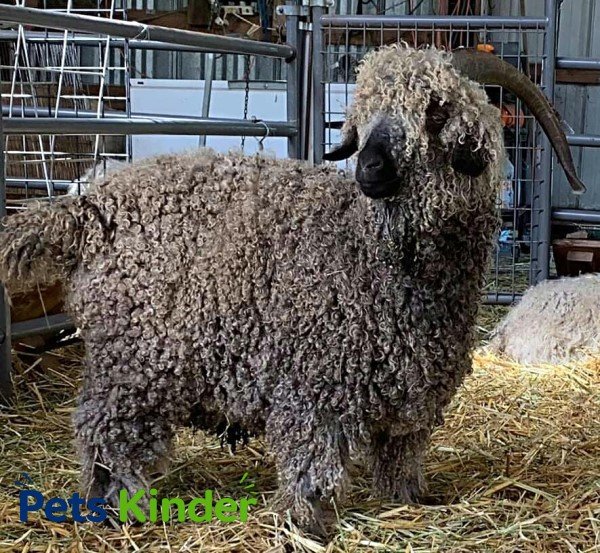
At first glance, an angora goat looks almost theatrical draped in long, flowing ringlets of lustrous fiber that can reach several inches in length by shearing time. The breed is medium-sized, generally smaller than dairy or meat goat breeds. Adults typically weigh between 70 and 110 pounds for does, while bucks can reach 125 to 175 pounds. The body is compact and well-muscled, though the animal’s most defining feature is undeniably its fleece.
Both males and females typically have horns, which curve gracefully outward and back. The face and legs are usually left exposed, showing a smooth coat of shorter hair, while the body remains blanketed in dense, silky locks. The ears hang loosely on the sides of the head, giving the animal a gentle, almost docile expression. Overall, the angora goat carries itself with a quiet elegance that seems almost intentional.
Temperament and Behavior
Angora goats are generally calm and manageable compared to many other goat breeds. They tend to be less aggressive and easier to handle during shearing, which is a meaningful practical advantage. That said, they are curious and social animals that thrive in groups. Isolating a single angora goat can lead to stress and health problems, so keeping them in pairs or small herds is strongly recommended.
They’re also browsers by nature, meaning they prefer to nibble on shrubs, leaves, and weeds rather than graze exclusively on grass like sheep. This browsing behavior makes them useful for land management they can help control brush on pastures that would otherwise require mechanical clearing.
Angora Goat Colors: More Than Just White
Most people picture angora goats as pure white, and admittedly, white is by far the most commercially common color. White fiber takes dye easily and uniformly, which makes it the preferred choice for textile manufacturers. However, angora goats actually come in a surprisingly rich range of natural colors.
Colored angora goats produce fiber in shades of silver, gray, brown, black, and even reddish-brown. These naturally colored animals have become increasingly popular among hand spinners and artisan fiber producers who want to work with undyed, naturally pigmented materials. Breeding programs dedicated to maintaining and expanding colored angora goat lines have grown steadily over the past few decades.
It’s worth noting that in some registries, colored angora goats are tracked and registered separately from their white counterparts, underscoring the growing commercial and artistic interest in their fiber.
Angora Goat Fiber: The Crown Jewel of Natural Textiles
What Makes Mohair Special
The fiber produced by angora goats is called mohair not to be confused with “angora fiber,” which actually comes from angora rabbits. Mohair is renowned for its brilliant luster, silky texture, and remarkable strength. Unlike wool from sheep, mohair has a smooth fiber structure with very few scales, which gives it that characteristic shine and makes it far less prone to felting.
Mohair is also highly durable. It resists wrinkling, holds dye exceptionally well, and maintains its shape over years of use. These qualities make it a sought-after material in high-end fashion, upholstery, and luxury blending yarns.
Fiber Grades and Shearing Schedule
Angora goats are shorn twice a year typically in spring and fall yielding an average of 5 to 10 pounds of fiber per animal annually. The finest, most valuable fiber comes from kids, whose first few clips produce incredibly soft fleece known as “kid mohair.” As the goat ages, the fiber gradually coarsens, though it remains commercially valuable throughout the animal’s productive life.
Fiber is graded by micron count. Kid mohair typically measures under 25 microns, making it soft enough for garments worn directly against the skin. Adult mohair, ranging from 30 to 40 microns, is better suited for outerwear, rugs, and upholstery fabrics. Buyers and processors pay premium prices for finer clips, so many producers focus heavily on selective breeding to maintain fineness across generations.
Diet and Nutrition: Feeding Angora Goats Well
Angora goats have higher nutritional demands than many other goat breeds, largely because of the energy required to grow that impressive fleece. A well-balanced diet is essential not only for fiber quality but for overall health and reproductive success.
Good-quality pasture forms the foundation of their diet, supplemented with hay during winter months or in areas where forage is limited. Grain supplementation becomes especially important during late pregnancy, lactation, and the period leading up to shearing. Angora goats are also highly sensitive to copper deficiency, so mineral supplementation particularly with a loose goat mineral that contains adequate copper is non-negotiable. Selenium levels in the soil vary widely by region, and supplementing accordingly can prevent serious health issues. Fresh, clean water must always be available, as dehydration directly impacts fiber production and general well-being.
Health, Care, and Common Diseases
Routine Care
Angora goats require more attentive management than hardier breeds. Because their dense fleece holds moisture, they are particularly vulnerable to cold, wet weather especially right after shearing. Providing adequate shelter and avoiding shearing during cold snaps can prevent significant losses. Hoof trimming every 6 to 8 weeks keeps feet healthy and prevents lameness. Regular deworming is also critical, as angora goats are highly susceptible to internal parasites, particularly barber pole worm (Haemonchus contortus).
Common Health Issues
Internal Parasites: This is the single biggest health threat to angora goats. Fecal egg counts and FAMACHA scoring should guide deworming decisions rather than calendar-based schedules, which contribute to resistance.
Enterotoxemia: Also known as overeating disease, this condition is caused by Clostridium perfringens and can kill quickly. Vaccination with CDT (Clostridium perfringens types C and D, plus tetanus) is standard practice.
Pneumonia: Stress, damp conditions, and sudden temperature changes can all trigger respiratory illness. Good ventilation in housing combined with avoiding overcrowding goes a long way toward prevention.
Pregnancy Toxemia: Does carrying multiple kids in late gestation can develop this metabolic condition if energy intake is insufficient. Increasing grain supplementation in the final weeks of pregnancy helps prevent it.
Lifespan and Long-Term Considerations
Angora goats typically live between 10 and 12 years, with productive fiber years running from roughly 1 year of age through 8 to 10 years. Fiber quality often peaks in early adulthood and gradually coarsens with age, so producers must plan their breeding programs thoughtfully to maintain herd quality over time.
Does can begin breeding at around 7 months of age, though many producers wait until 18 months to allow fuller development. Kidding usually produces one or two offspring per pregnancy, and does make attentive mothers under good management conditions.
Long-term flock success depends on consistent record-keeping, selective culling of poor fiber producers, and attention to genetic diversity. Because angora goats can be sensitive animals, the most successful producers are those who invest time in observing their herd daily and responding quickly to changes in behavior or condition.
Angora Goats for Sale: What to Look for Before You Buy
If you’re considering adding angora goats to your farm, sourcing from a reputable breeder makes all the difference. Look for animals registered with recognized breed associations, which provide documentation of lineage and fiber records. When evaluating animals in person, check the fleece for uniform lock structure, good luster, and minimal vegetable matter. Avoid animals with coarse, dry, or heavily stained fiber.
Health history matters enormously. Ask about the herd’s deworming program, vaccination records, and whether they’ve been tested for conditions like CAE (caprine arthritis encephalitis). Well-bred, healthy angora goats for sale from established producers may cost more upfront, but they save significant headaches and veterinary bills down the road.
Prices vary widely depending on age, gender, fiber quality, and registration status. Expect to pay anywhere from a few hundred dollars for an unregistered doe to over a thousand dollars for a registered, proven producer with exceptional fleece records.
Final Thoughts
The angora goat is a remarkable animal historically significant, aesthetically striking, and practically valuable in ways that few other livestock breeds can match. From the highlands of ancient Ankara to farms across Texas and South Africa, these animals have been clothing humans in luxury for centuries. Whether you’re drawn to them for their fiber, their gentle nature, or their unique place in agricultural history, there’s no denying that the angora goat deserves far more recognition than it typically gets. If you’re thinking about raising them, do your homework, invest in quality stock, and give them the attentive care they need the reward, in shimmering locks of mohair, is well worth the effort.