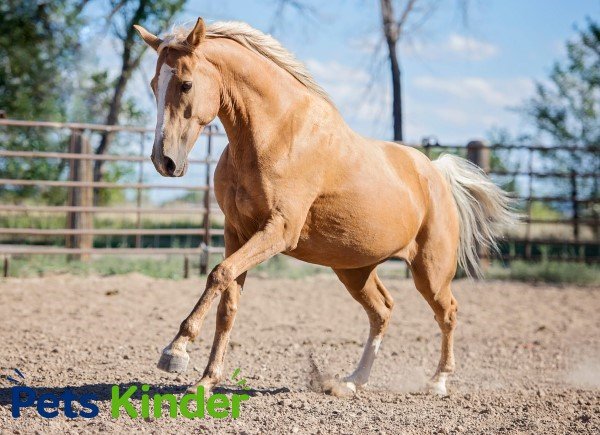
There are horses that catch your eye, and then there are palomino horses animals that stop you completely in your tracks. That rich, golden coat shimmering in the sunlight, paired with a flowing white or cream mane and tail, creates one of the most visually stunning combinations in the entire equine world. But the palomino horse is far more than a pretty face. These horses carry a storied history, remarkable versatility, and a presence that has made them icons in Western culture, competitive arenas, and Hollywood films alike. Whether you’re a lifelong equestrian or someone just beginning to explore the world of horses, the palomino deserves your full attention.
What Is a Palomino Horse? Color, Genetics, and Identity
Understanding Palomino Horse Color
Before diving into breeds and bloodlines, it’s important to understand something fundamental: palomino is a color, not a breed. The palomino horse color is produced by a specific genetic combination a horse must carry one copy of the cream dilution gene acting on a chestnut base coat. The result is that signature golden body color, which can range from a pale, almost yellow-cream to a deep, rich gold that practically glows. The mane and tail must be white, silver, or ivory to meet breed registry standards. Any significant dark hairs in the mane or tail disqualify the horse from palomino classification in most registries.
The genetics behind this color are fascinating. A horse with two copies of the cream gene on a chestnut base becomes a cremello a pale, nearly white horse with blue eyes rather than a palomino. This means palomino-to-palomino breeding doesn’t guarantee palomino offspring. Roughly 50 percent of such crosses produce palomino foals, 25 percent produce chestnuts, and 25 percent produce cremellos. Understanding this genetic reality is essential for anyone seriously pursuing palomino breeding.
The Palomino Horse Registry
Because palomino is a color rather than a distinct breed, the Palomino Horse Breeders of America (PHBA) and the Palomino Horse Association (PHA) register horses based on color standards rather than bloodline exclusivity. These organizations promote and preserve the palomino color across multiple breeds, hosting shows and competitions where these golden horses can be celebrated specifically for their coat quality alongside their performance.
Palomino Horse Breed in America: A Rich and Varied Legacy
Which Breeds Carry the Palomino Color?
The palomino horse breed in America spans an impressive range of disciplines and body types. Quarter Horses represent the most common palomino in the United States their compact, muscular builds and versatile temperaments make them ideal for ranch work, rodeo events, trail riding, and pleasure showing. Tennessee Walking Horses, American Saddlebreds, and Missouri Fox Trotters also frequently display the palomino color and are prized in the show ring for their animated gaits combined with that stunning golden appearance.
Thoroughbreds, Arabians, and Warmbloods can also carry palomino coloring, though it appears less commonly in those populations. Draft breeds like the American Cream Draft sometimes display pale palomino-adjacent coloring as well. The versatility of the palomino color across so many breeds means that buyers can find a palomino horse suited to virtually any riding discipline from competitive cutting and reining to dressage, trail riding, and driving.
Historical Roots of the Palomino in America
Palomino horses arrived in the Americas with Spanish conquistadors in the 16th century. The Spanish brought Barb and Andalusian horses carrying the cream dilution gene, and those bloodlines spread throughout North and South America over the following centuries. Indigenous peoples of the Great Plains quickly adopted and selectively bred horses for color and athleticism, contributing to the development of the palomino’s presence across the American West. By the 19th century, palominos were deeply embedded in the visual identity of Western horsemanship.
Key Characteristics and Physical Features
Appearance Beyond the Color
While the palomino horse color draws the most immediate attention, these horses carry other notable physical traits depending on their breed background. Quarter Horse palominos typically stand 14.3 to 16 hands tall with a broad chest, powerful hindquarters, and a short, refined head. Walking Horse palominos carry themselves with a naturally elevated carriage and long, elegant necks. Regardless of breed, a true show-quality palomino should display a coat color described as “the color of a newly minted gold coin” not too light, not too dark, with a luminous quality that photographs beautifully.
Temperament and Trainability
Palomino horses don’t share a single temperament profile since they span multiple breeds, but the most common palomino the Quarter Horse is widely known for its calm, willing disposition and quick learning ability. These horses tend to be people-oriented, patient with beginners, and responsive to consistent training. They thrive with clear, fair handling and regular work. High-strung breeds carrying palomino color, like certain Thoroughbred or Arabian crosses, naturally require more experienced handling, so always evaluate the individual horse’s temperament alongside its coat.
Celebrity and Cultural Legacy of the Palomino
Few horses have achieved the cultural icon status of the palomino. The most famous palomino in American history is arguably Trigger, the golden stallion owned by singing cowboy legend Roy Rogers. Rogers and Trigger became one of entertainment’s most beloved partnerships throughout the 1940s and 1950s, appearing in films, television shows, and live performances together. Rogers famously called Trigger “the smartest horse in the movies,” and the horse’s golden coat became synonymous with the glamour of the American West. Even today, Trigger’s image endures as a symbol of the palomino’s timeless appeal. Beyond Hollywood, former U.S. President Ronald Reagan himself a passionate horseman who spent decades on his California ranch rode palomino horses throughout his life, further cementing the breed’s connection to American identity and prestige.
Diet and Nutrition
Feeding a palomino horse follows the same principles as feeding any horse of the same breed and workload, since color has no bearing on nutritional needs. A typical adult palomino at light to moderate work requires high-quality grass or mixed hay roughly 1.5 to 2 percent of body weight daily along with access to fresh water and a trace mineral salt block. Performance horses in heavy training benefit from added grain concentrates like oats, corn, or commercial pelleted feeds formulated for their activity level.
One nutritional consideration worth mentioning for palomino owners is coat quality. A diet rich in omega-3 fatty acids provided through flaxseed, chia seeds, or fish oil supplements promotes the deep, lustrous sheen that makes a palomino coat truly spectacular. Biotin supplementation supports hoof health, and adequate vitamin E intake supports muscle function and immune health. Working with an equine nutritionist to dial in a feeding program pays visible dividends in coat brilliance and overall vitality.
Health, Care, and Common Issues
Routine Health Maintenance
Palomino horses require the same foundational care as any light horse breed. Annual or biannual veterinary wellness exams, core vaccinations against Eastern and Western equine encephalitis, West Nile virus, tetanus, and rabies form the cornerstone of preventive health. Dental floating every 12 to 18 months keeps the teeth in proper alignment for efficient feed processing. Farrier visits every six to eight weeks whether for trimming or shoeing prevent hoof imbalance and the lameness issues that follow.
Common Health Concerns
Skin sensitivity is occasionally noted in horses with lighter palomino coloring and pink-skinned areas. Sun bleaching can also affect the coat, turning a rich gold to a washed-out yellow during peak summer months. Using fly sheets and providing shade helps preserve coat quality significantly. Metabolic conditions like equine metabolic syndrome and Cushing’s disease occur in palominos just as they do in other horses, particularly as animals age past 15 years. Regular body condition scoring and bloodwork screening help catch these conditions early.
Parasite Control
Strategic deworming based on fecal egg counts rather than calendar-based rotation represents the current best practice in equine parasite management. Most veterinarians recommend twice-yearly fecal testing with targeted treatment using ivermectin, moxidectin, or pyrantel pamoate based on results. Good pasture management, including regular manure removal and avoiding overgrazing, reduces parasite load at the environmental level.
Palomino Horse Price and Buying Considerations
What Does a Palomino Horse Cost?
The palomino horse price varies enormously depending on breed, training level, show record, and bloodline quality. A green or lightly started young palomino Quarter Horse might sell for $3,000 to $7,000, while a fully trained, show-winning individual from proven bloodlines can command $15,000 to $50,000 or more. Gaited palominos particularly Tennessee Walkers with strong show records often fall in the $5,000 to $20,000 range. Color alone doesn’t drive price; training, temperament, and performance record matter far more to serious buyers.
Finding a Palomino Horse for Sale
When searching for a palomino horse for sale, start with reputable breed association sales, PHBA-affiliated shows, and established Quarter Horse or gaited horse breeders who specialize in color breeding. Always arrange a pre-purchase veterinary examination before finalizing any transaction. Request video of the horse under saddle across multiple sessions, not just a single ride. Ask about the horse’s daily management routine, feeding program, and any history of health issues or injuries. A trustworthy seller welcomes all of these questions without hesitation.
Lifespan and Long-Term Ownership
With attentive care, a palomino horse typically lives between 25 and 30 years. Many remain sound and rideable well into their late teens and early twenties, particularly when their hooves, teeth, and weight are actively managed throughout their lives. The emotional and financial investment of horse ownership is substantial, but palomino owners consistently report that the relationship they build with these animals over decades is deeply rewarding in ways that extend far beyond the show ring or trail.
Starting with a well-bred, professionally trained palomino and committing to consistent veterinary care, proper nutrition, and regular exercise creates the foundation for a partnership that can span a quarter century. For those willing to make that commitment, the palomino horse delivers beauty, athleticism, and companionship in equal measure a truly golden investment in every sense of the word.