The Frog That Looks Like It’s Always Smiling: Your Complete Guide to White’s Tree Frogs

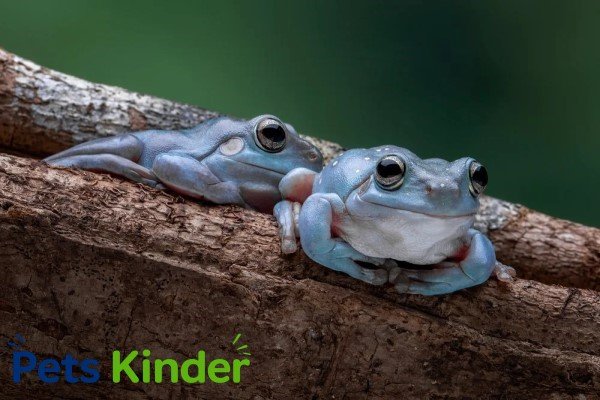
There’s something undeniably magnetic about a White’s tree frog. Maybe it’s the perpetually sleepy expression, the chubby folds of skin that drape over their eyes, or the way they sit so calmly on your hand like they’ve known you for years. Whatever it is, these frogs have built a devoted following among reptile and amphibian enthusiasts and for very good reason. If you’re thinking about adding one to your home, or you’re simply curious about what makes this species so beloved, this guide covers everything you need to know.
What Is a White’s Tree Frog?
White’s tree frog, scientifically known as Litoria caerulea, goes by several names Australian green tree frog, dumpy tree frog, and simply “dumpy frog” among fans who adore their gloriously rotund appearance. Native to Australia and southern New Guinea, these frogs inhabit tropical and subtropical forests, often venturing close to human dwellings. They’re remarkably adaptable, which is part of why they’ve become one of the most popular pet frogs in the world.
Physical Characteristics and That Irresistible White’s Tree Frog Cute Factor
Let’s be honest the White’s tree frog cute appeal is a huge part of why so many people fall in love with this species. They have smooth, waxy-looking skin that ranges from bright lime green to a deeper teal or even bluish-green, depending on temperature, lighting, and mood. Some individuals display scattered white or gold spotting across their backs, which adds another layer of visual charm.
Their most endearing physical feature is the fatty ridge a lipid deposit that droops over their tympanum (ear) and across their body. This gives them their signature “dumpy” look, and it’s actually an indicator of good health in well-fed individuals. Their large, golden eyes have horizontal pupils that seem permanently half-lidded, lending them an expression that looks somewhere between content and mildly unimpressed. It’s completely irresistible.
White’s Tree Frog Size: How Big Do They Actually Get?
White’s tree frog size is one of the first questions new keepers ask, and the answer is reassuringly manageable. Adults typically reach 3 to 5 inches in length, with females generally growing larger than males. They’re solidly built for their size stocky and muscular beneath all that adorable chubbiness. Their toe pads are wide and sticky, giving them impressive climbing ability despite their bulk. Compared to many other tree frog species, they’re quite substantial, which actually makes them easier to handle and observe.
White’s Tree Frog Care: Building the Right Environment
Getting the habitat right is the foundation of good White’s tree frog care. These frogs are forgiving compared to some more delicate amphibians, but they still have specific needs that must be consistently met to thrive.
White’s Tree Frog Enclosure Setup
A proper White’s tree frog enclosure should prioritize vertical space over floor area, since these are arboreal animals that love to climb. A 24x18x36-inch enclosure (or larger) works well for one or two adults. Glass terrariums with front-opening doors are ideal because they hold humidity efficiently and make feeding and maintenance much easier without disturbing the frog from above.
Substrate choices include coconut fiber, organic topsoil, or a bioactive mix with live plants. These options help maintain humidity while remaining safe if accidentally ingested. The enclosure should include multiple climbing branches, cork bark hides, and live or artificial foliage especially near the top, since White’s tree frogs prefer to rest up high during the day.
Temperature and Humidity Requirements
Temperature should stay between 75°F and 85°F during the day, dropping to around 65°F to 72°F at night. A low-wattage heat lamp or ceramic heat emitter works well for maintaining these ranges without drying out the enclosure. Humidity should sit between 50% and 80%, with higher levels at night when these frogs are most active. Daily misting either by hand or with an automated misting system keeps humidity stable and encourages natural behaviors.
UVB lighting isn’t strictly required for White’s tree frogs, but many experienced keepers now recommend low-output UVB bulbs because emerging research suggests it supports immune function and overall vitality. A 12-hour light/dark cycle mimics natural conditions and keeps the frog’s biological rhythms on track.
Diet and Nutrition
White’s tree frogs are enthusiastic, opportunistic eaters sometimes a little too enthusiastic. In the wild, they consume a wide variety of insects, and captive diets should reflect that diversity as much as possible.
What to Feed Your White’s Tree Frog
Crickets form the backbone of most captive diets and should be gut-loaded with nutritious vegetables before feeding. Dubia roaches are an excellent alternative they’re high in protein, low in fat, and easy to digest. Occasional treats like waxworms, hornworms, or mealworms add variety, though high-fat feeders should be limited to prevent obesity.
All feeder insects must be dusted with calcium and vitamin D3 powder at most feedings, with a multivitamin supplement added once or twice per week. Juvenile frogs eat daily, while adults typically do well on feedings every two to three days. Overfeeding is a genuine concern White’s tree frogs have hearty appetites and will eat well past the point of health if given the opportunity. Monitoring body condition and adjusting portions accordingly is an important ongoing responsibility.
Health, Care, and Common Issues
Generally speaking, White’s tree frogs are robust and hardy pets when kept in appropriate conditions. However, even healthy frogs can develop problems, and knowing what to watch for makes a significant difference in outcomes.
Common Health Issues
Chytridiomycosis a fungal skin disease is one of the most serious threats to amphibians globally, and captive frogs aren’t immune. Symptoms include lethargy, abnormal skin shedding, and loss of appetite. Sourcing frogs from reputable breeders and practicing good hygiene dramatically reduces this risk.
Red-leg syndrome, caused by bacterial infection, presents as redness or hemorrhaging on the legs and underside. It’s often linked to poor water quality or unsanitary enclosure conditions. Respiratory infections can develop when temperatures drop too low or humidity fluctuates dramatically. Obesity, as already mentioned, is a chronic issue in captive White’s tree frogs and can lead to organ stress over time.
Regular observation watching for changes in color, posture, eating habits, and skin condition is the single most effective health monitoring tool available to keepers. A veterinarian with exotic animal or amphibian experience should be identified before any health crisis arises, not during one.
White’s Tree Frog for Sale: Finding a Healthy Animal
If you’re ready to search for a White’s tree frog for sale, prioritize captive-bred animals from reputable breeders over wild-caught imports. Captive-bred frogs adapt more easily to enclosure life, carry lower disease risk, and are generally hardier from the start. Reputable breeders will provide feeding history, age, and health information willingly. Avoid animals that appear lethargic, have cloudy eyes, visible wounds, or abnormal skin texture.
Lifespan and Long-Term Considerations
White’s tree frogs are a long-term commitment. With proper care, they routinely live 15 to 20 years in captivity some individuals have exceeded that. Before bringing one home, consider the full scope of that responsibility. Consistent temperature and humidity management, a varied and properly supplemented diet, routine health monitoring, and a dedicated exotic vet relationship are all non-negotiable components of keeping these frogs well for the long haul.
The reward, though, is genuinely special. A well-cared-for White’s tree frog becomes a calm, interactive presence in your home one that greets you at feeding time, tolerates gentle handling, and never fails to make visitors smile. They’re proof that the most charming pets don’t always have fur.