The Hyacinth Macaw: Nature’s Most Breathtaking Blue Giant and What It Takes to Own One

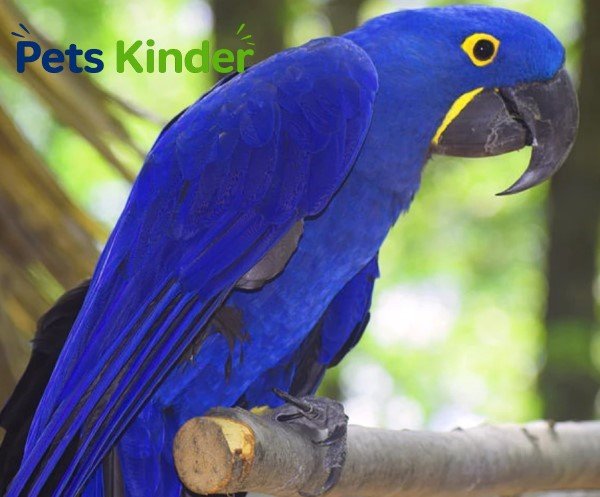
The hyacinth macaw is, without question, one of the most jaw-dropping birds on the planet. Draped in a deep, cobalt-blue plumage that almost seems too vivid to be real, this bird commands attention the moment it enters a room or a clearing in the Brazilian savanna. It’s not just the color that makes it remarkable. It’s the size, the personality, the sheer presence of this creature that has captivated bird lovers, researchers, and wildlife enthusiasts for generations.
But owning or even observing a hyacinth macaw comes with serious responsibilities, costs, and considerations. Before you fall completely in love and trust us, you will here’s everything you need to know.
What Exactly Is a Hyacinth Macaw?
The hyacinth macaw (Anodorhynchus hyacinthinus) is a parrot species native to central and eastern South America, primarily found in Brazil, Bolivia, and Paraguay. It inhabits open woodlands, palm stands, and the Pantanal wetlands. Unlike many parrots that thrive in dense rainforests, the hyacinth macaw actually prefers more open, semi-arid landscapes where it can forage freely.
This bird belongs to the genus Anodorhynchus, a group of large South American macaws with smooth, unfeathered facial patches. The hyacinth macaw is the only species in this genus with widespread recognition and for good reason. It’s the largest parrot species in the world by length, and among the heaviest.
Hyacinth Macaw Size: Just How Big Are They?
When people first encounter a hyacinth macaw in person, the reaction is almost always the same: shock. Most people dramatically underestimate hyacinth macaw size until they’re standing right next to one.
Measurements That Put Things in Perspective
A fully grown hyacinth macaw typically measures between 95 and 100 centimeters (approximately 37 to 39 inches) from the tip of the beak to the end of the tail. That’s roughly the length of a guitar. They weigh between 1.2 and 1.7 kilograms (about 2.6 to 3.7 pounds), which makes them significantly heavier than most other parrots. Their wingspan can stretch up to 122 centimeters (nearly 4 feet) when fully extended.
Because of this impressive hyacinth macaw size, they require enormous enclosures something many prospective owners fail to plan for adequately. A bird this large cannot thrive in a standard pet store cage. It needs space to move, climb, stretch, and fly short distances even within a domestic environment.
Hyacinth Macaw Colors: A Blue Unlike Any Other
Ask anyone to name the most striking feature of the hyacinth macaw, and almost everyone says the same thing: the color. The hyacinth macaw colors are so distinctive that the bird is essentially iconic in the world of aviculture and wildlife photography.
The Signature Blue and Its Subtle Variations
The plumage is a rich, saturated cobalt or royal blue that covers virtually the entire body head, wings, back, tail, and underparts. The feathers don’t appear flat or uniform; in sunlight, they catch the light and shift in intensity, creating an almost metallic shimmer.
Around the eyes, the hyacinth macaw has a distinctive bare yellow orbital ring, and a yellow patch of bare skin runs along the lower base of the beak. These golden accents contrast beautifully against the deep blue feathers, giving the bird a naturally dramatic, almost theatrical appearance. The beak itself is large, dark gray to black, and incredibly powerful capable of cracking open coconuts and Brazil nuts with ease.
Interestingly, hyacinth macaw colors don’t vary by sex. Males and females look virtually identical, which is why DNA testing or surgical sexing is usually required to determine gender.
Hyacinth Macaw Price: The Cost of Owning a Blue Giant
Let’s be honest the hyacinth macaw price is not for the faint of heart. This bird is widely considered one of the most expensive pet birds in the world, and the cost doesn’t stop at the initial purchase.
Purchase Price Range
In the United States, a captive-bred hyacinth macaw typically costs between $10,000 and $20,000 from a reputable breeder. Some birds, particularly those with exceptional temperament, proven breeding history, or hand-raised socialization, can push that price even higher sometimes reaching $25,000 or more.
What Drives the Hyacinth Macaw Price So High?
Several factors contribute to the steep hyacinth macaw price. First, they’re a protected species under CITES (Convention on International Trade in Endangered Species), which restricts international trade and places strict documentation requirements on breeders. Second, they have a slow reproductive rate pairs typically raise only one or two chicks per season, and breeding programs require significant investment. Third, the sheer cost of maintaining adult breeding pairs including housing, diet, veterinary care, and enrichment is substantial for any aviculture operation.
Hyacinth Macaw for Sale: Finding a Reputable Source
If you’re seriously considering bringing one of these magnificent birds into your life, knowing where and how to find a hyacinth macaw for sale responsibly is absolutely critical.
Why Source Matters Enormously
The hyacinth macaw is listed as Vulnerable on the IUCN Red List, with wild populations facing threats from habitat loss and historical poaching for the pet trade. Today, any legitimate hyacinth macaw for sale in the U.S. or Europe should be captive-bred and come with complete documentation, including CITES paperwork and a birth certificate or band records from the breeder.
Where to Look
Reputable avian breeders who specialize in large parrots are your best starting point. Established aviculture societies, bird expos with credentialed vendors, and referrals from avian veterinarians can all point you in the right direction. Avoid classified ads, unverified online listings, or anyone offering a hyacinth macaw for sale without proper documentation these are red flags for either illegal trade or poorly socialized birds.
Diet and Nutrition: Feeding a Hyacinth Macaw Properly
In the wild, hyacinth macaws have a surprisingly specialized diet. They feed almost exclusively on the nuts of specific palm tree species primarily the acuri and bocaiuva palms. Their powerful beaks can crack open nuts that no other animal can access, giving them a nutritional niche that few competitors occupy.
Replicating That Diet in Captivity
In captivity, macadamia nuts, Brazil nuts, and coconut pieces should form a substantial part of their diet, alongside high-quality large parrot pellets formulated for macaws. Fresh fruits and vegetables including leafy greens, carrots, sweet peppers, and mango round out the nutrition profile. Unlike many parrots, hyacinth macaws need a higher fat intake, so nut-heavy feeding isn’t just acceptable; it’s essential.
Avoid avocado, chocolate, onion, and processed human foods entirely. Fresh water should always be available, and feeding dishes should be cleaned daily to prevent bacterial buildup.
Health, Care, and Common Issues
Hyacinth macaws are generally hardy birds, but they’re not without their vulnerabilities. Responsible ownership means staying ahead of potential health issues before they become serious.
Common Health Concerns
Proventricular Dilatation Disease (PDD) is one of the most serious conditions affecting macaws and other large parrots. It affects the nervous system and digestive tract, causing weight loss, regurgitation, and weakness. There’s no cure, though supportive care can manage symptoms.
Psittacosis, a bacterial infection caused by Chlamydia psittaci, is another concern. It’s transmissible to humans, which is why regular avian veterinary checkups are non-negotiable. Feather-destructive behavior, often stemming from boredom or inadequate social interaction, is also common in under-stimulated hyacinth macaws.
Daily Care Requirements
These birds need several hours of out-of-cage interaction every day. Mental stimulation through foraging toys, puzzle feeders, and novel enrichment items is just as important as physical space. Without sufficient engagement, hyacinth macaws can develop anxiety-based behaviors including screaming, feather plucking, and destructive chewing.
Lifespan and Long-Term Considerations
The hyacinth macaw is a long-term commitment quite literally a lifelong one. In captivity, these birds regularly live between 50 and 60 years, with some individuals exceeding that range under exceptional care. That means adopting a hyacinth macaw as a young adult is effectively a decision that will span multiple decades of your life.
Prospective owners should have a succession plan in place a trusted person who can care for the bird if the owner is no longer able to do so. This isn’t morbid planning; it’s responsible ownership. Many hyacinth macaws outlive their first owners, and birds without transition plans often end up in rescue situations that are deeply stressful for them.
The hyacinth macaw is not a beginner’s bird. It demands expertise, patience, financial resources, and an unwavering commitment to its well-being. But for those truly prepared to meet its needs, it offers a bond unlike anything else in the avian world a relationship defined by intelligence, affection, and the kind of deep mutual trust that only decades together can build.