Small Cow, Big Milk: Why the Jersey Breed Quietly Dominates the Dairy World

There’s a quiet confidence to the Jersey cow that most people don’t notice right away. She’s not the biggest animal in the pasture. She won’t win any weight contests against a Holstein or a Hereford. But when it comes to producing rich, high-quality milk with an efficiency that leaves other breeds in the dust, the Jersey cow is in a class entirely her own. Farmers who’ve worked with Jerseys rarely go back and once you understand what makes this breed so exceptional, it’s easy to see why.
Whether you’re a small-scale homesteader, a dairy farmer evaluating breeds, or simply someone curious about where great cheese and butter actually come from, understanding the Jersey cow offers a fascinating look into one of agriculture’s most quietly impressive animals.
Origins and Background of the Jersey Cow
The Jersey breed traces its roots to the island of Jersey, a small British Crown dependency located off the coast of Normandy, France. Cattle have been selectively bred on that island for centuries, and the geographic isolation helped preserve the breed’s genetic purity in a way that’s rare in livestock history. For a significant period, the island actually prohibited importing other cattle breeds, which meant Jersey genetics developed without outside dilution.
By the 1800s, Jersey cow had made their way to the United States, the United Kingdom, Australia, and beyond. Farmers quickly recognized that despite their smaller frame, these cows punched well above their weight in milk production efficiency. Today, the Jersey is the second most common dairy breed in the world, and in many countries, it ranks first in terms of profitability per cow when milk is sold on butterfat content.
Key Features and Characteristics
Physical Appearance and Size
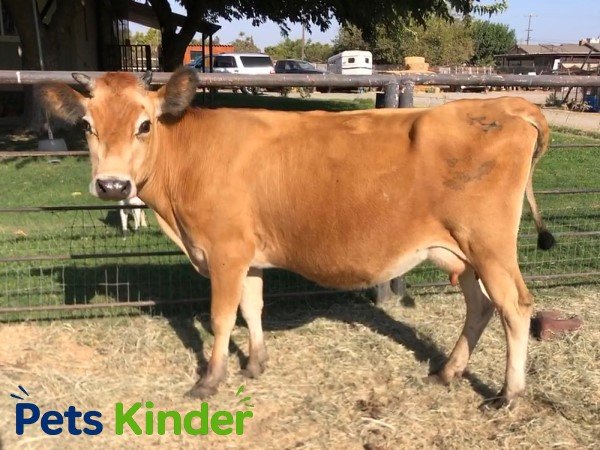
The Jersey cow’s appearance is immediately distinctive. They typically range from a light fawn or cream color to a deep, rich brown sometimes almost chocolate. Many Jerseys display a darker shading around the muzzle, ears, and legs, giving them a refined, almost deer-like look that sets them apart visually from other dairy breeds. Their large, expressive dark eyes and wide forehead contribute to that gentle, gentle-faced appearance that many farmers describe as almost endearing.
In terms of size, Jersey cows are notably smaller than most other dairy breeds. Adult females typically weigh between 800 and 1,200 pounds, compared to Holsteins that often exceed 1,500 pounds. Bulls are larger, generally ranging from 1,200 to 1,800 pounds, but still compact relative to other beef and dual-purpose breeds. This smaller body size is actually an advantage in many farming contexts they require less feed, cause less soil compaction, and are easier to manage safely.
Temperament and Behavior
Jerseys have a reputation for being spirited and intelligent, sometimes even stubborn, but fundamentally easy to work with once trust is established. They’re curious animals that adapt well to varied environments, from lush pastures in New Zealand to more confined dairy operations in the American Midwest. Farmers often describe them as personable cows that seem genuinely aware of their handlers in a way that makes daily care feel collaborative rather than purely mechanical.
Jersey Cow Milk: The Real Star of the Show
Milk Composition and Quality
This is where the Jersey cow truly separates herself from the competition. Jersey milk contains significantly higher butterfat and protein levels than milk from most other dairy breeds. Average butterfat content in Jersey milk runs between 4.5% and 5.5%, compared to roughly 3.5% in Holstein milk. Protein levels are similarly elevated, typically sitting around 3.8% to 4.0%.
What does that actually mean in practical terms? It means Jersey milk produces more butter, more cheese, and more cream per gallon than milk from larger breeds. For artisan cheesemakers, Jersey milk is often a premium ingredient specifically sought out for the depth of flavor and texture it delivers. Ice cream makers love it for the same reason that high fat content creates an unmistakable richness.
Milk Volume vs. Efficiency
Holsteins produce more milk by sheer volume that’s true and worth acknowledging. A high-producing Holstein might give 25,000 pounds of milk per year, while a Jersey averages closer to 15,000 to 20,000 pounds. However, when dairy operations sell milk based on component pricing meaning they’re paid for butterfat and protein content rather than just raw volume Jerseys frequently generate comparable or superior revenue on significantly less feed input. That efficiency advantage is why many modern dairy farms are shifting toward Jersey or Jersey-crossbred herds.
Diet and Nutrition
What Jersey Cows Eat
Like all dairy cattle, Jerseys thrive on a diet built around high-quality forage. Pasture grass, hay, and silage form the foundation of a healthy feeding program. Because of their smaller body size, they consume less total feed than larger breeds while still maintaining strong milk production a key part of their economic appeal.
For high-producing cows, supplemental grain or a total mixed ration (TMR) helps bridge the energy gap that intense lactation creates. Corn silage, alfalfa hay, soybean meal, and mineral supplements are common additions to a well-balanced Jersey diet. Fresh water access is non-negotiable a lactating Jersey cow can drink 30 to 50 gallons of water per day, and any restriction directly impacts milk yield and overall health.
Nutritional Management During Lactation
The transition period the weeks immediately before and after calving is nutritionally the most critical time for any dairy cow, and Jerseys are no exception. During this window, energy demands spike dramatically as milk production ramps up. Proper nutrition management during transition helps prevent metabolic diseases like milk fever and ketosis, both of which are more common in high-producing dairy breeds. Working with a livestock nutritionist to develop a transition cow program is genuinely one of the best investments a Jersey dairy farmer can make.
Health, Care, and Common Issues
General Health Management
Jerseys are considered a hardy, adaptable breed with good overall health when managed properly. Routine hoof trimming, dental checks, and body condition scoring should all be part of a standard health protocol. Because they’re smaller and lighter than other breeds, hoof issues are somewhat less severe, but they still occur especially in operations with concrete flooring or wet conditions year-round.
Vaccinations for common bovine diseases including BVD (Bovine Viral Diarrhea), IBR (Infectious Bovine Rhinotracheitis), and leptospirosis should follow your veterinarian’s recommended schedule. Deworming and external parasite control, particularly for flies and lice, also play an important role in keeping Jerseys comfortable and productive.
Common Health Issues to Watch For
Milk Fever (Hypocalcemia)
Jersey cows are disproportionately prone to milk fever compared to other dairy breeds, largely because of their exceptional milk production capability. Milk fever occurs when calcium levels drop rapidly around calving as the body prioritizes milk production. Symptoms include weakness, inability to stand, and cold extremities. Without prompt treatment typically intravenous calcium the condition can become fatal. Dietary management with low-calcium pre-fresh diets and strategic supplementation significantly reduces the risk.
Ketosis
High-producing cows that can’t consume enough energy to meet lactation demands begin breaking down body fat, producing ketones as a byproduct. Jerseys, because of their intense milk production relative to body size, face elevated ketosis risk in early lactation. Monitoring body condition score closely and ensuring adequate energy intake during transition helps prevent this metabolic imbalance.
Mastitis
Mastitis inflammation of the udder, usually caused by bacterial infection affects dairy cattle across all breeds, and Jerseys are no exception. Good milking hygiene, proper teat dipping, regular milk testing, and prompt treatment of clinical cases are essential components of any herd health program. Subclinical mastitis, which shows no obvious symptoms but reduces milk quality and yield, is often underdiagnosed and worth monitoring through regular somatic cell count testing.
Lifespan and Long-Term Considerations
How Long Do Jersey Cows Live?
Jersey cows generally live between 18 and 25 years under good conditions, though productive dairy life typically spans 8 to 12 years before efficiency declines. Many well-managed Jerseys remain productive well into their teen years, which represents a significant economic advantage each additional productive year represents real value without the cost of raising a replacement animal.
Long-Term Investment Value
From a long-term farming perspective, Jerseys offer compelling durability. Their smaller size reduces wear on facilities and land. Their adaptability means they perform well in both pasture-based and confinement systems. And their reputation for docility and manageable temperament reduces handler stress and labor costs over time. For small farms and family operations especially, the Jersey’s combination of rich milk, efficient feed conversion, and manageable size makes her one of the most practical and rewarding choices available.
Final Thoughts
The Jersey cow doesn’t demand attention the way some breeds do. She simply shows up, produces extraordinary milk, and gets on with the business of being one of the most efficient and valuable dairy animals on the planet. Whether you’re building a small homestead herd or evaluating breeds for a commercial operation, the Jersey’s track record speaks clearly. Rich milk, smart genetics, and a personality that grows on you that’s the Jersey cow in a nutshell.