Some dogs are cute. Some dogs are smart. And then there’s the Pomapoo — a dog that somehow manages to be both, wrapped up in a fluffy, compact body that fits perfectly on your lap and in your heart. The Pomeranian Poodle mix has been quietly winning over dog lovers across the country, and it’s not hard to understand why. This designer hybrid combines two of the most beloved small breeds in the world, producing a dog with remarkable intelligence, a lively personality, and an appearance that stops people on sidewalks. But owning one isn’t just about the charm. Understanding what this crossbreed truly needs — in terms of care, nutrition, health management, and long-term commitment — makes the difference between a thriving companion and a frustrated one.
What Is a Pomeranian Poodle Mix?
Origins and Breed Background
The Pomapoo is a first-generation or multigenerational crossbreed produced by pairing a purebred Pomeranian with a purebred Toy or Miniature Poodle. Like most designer hybrids, the Pomapoo doesn’t have a single standardized origin story breeders across the United States and beyond began intentionally creating this cross sometime in the 1990s and early 2000s, largely driven by demand for small, low-shedding companion dogs with outgoing personalities.
Both parent breeds bring serious pedigree to the table. Pomeranians descend from large Arctic sled dogs and were refined into small companion animals during the 18th and 19th centuries, famously favored by Queen Victoria of England. Poodles, meanwhile, are widely regarded as one of the most intelligent dog breeds in existence, with a history spanning centuries across Europe as both working retrievers and aristocratic companions. Combining these two backgrounds produces a dog with a genuinely impressive genetic foundation.
Physical Appearance and Size
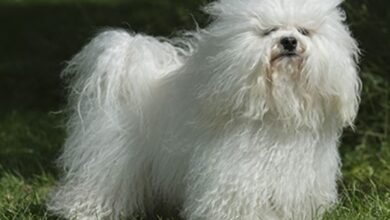
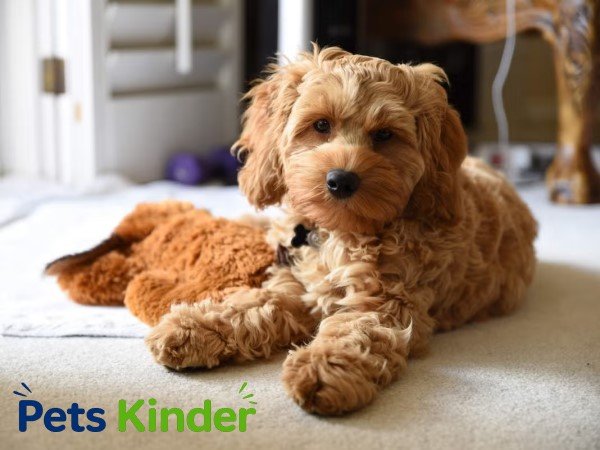
One of the most talked-about aspects of the Pomeranian Poodle mix is that no two look exactly alike even within the same litter. Depending on which parent’s genes dominate, a Pomapoo might have the dense, double-layered fluff of a Pomeranian or the loose, curly coat of a Poodle, or something gloriously in between. Common coat colors include cream, white, black, brown, red, sable, and various parti-color combinations.
In terms of size, Pomapoos are firmly in the small dog category. Most adults weigh between 5 and 15 pounds and stand 8 to 12 inches tall at the shoulder, though individual variation exists depending on whether a Toy or Miniature Poodle was used in the pairing. Their faces tend to be expressive and alert, often inheriting the bright, round eyes of the Pomeranian alongside a slightly more refined muzzle from the Poodle side.
Personality and Temperament
What to Expect from Day One
The Pomapoo’s personality is one of its greatest selling points, and it shows up early. These dogs are energetic, affectionate, and intensely curious about the world around them. They form deep bonds with their primary caregivers and tend to follow family members from room to room with cheerful persistence. That loyalty is endearing, but it also means they don’t do well with long stretches of solitude. Left alone for hours on end regularly, a Pomeranian Poodle mix can develop separation anxiety that expresses itself through barking, destructive chewing, or other stress behaviors.
Socially, Pomapoos tend to be friendly and outgoing, though early socialization makes an enormous difference. Puppies introduced to a wide variety of people, sounds, environments, and other animals during the first few months of life grow into confident, adaptable adults. Without that foundation, the Pomeranian’s naturally alert and occasionally stubborn streak can tip into excessive wariness or nervousness.
Intelligence and Trainability
Thanks to the Poodle parent, the Pomeranian Poodle mix is exceptionally trainable by small dog standards. These dogs pick up commands quickly, respond well to positive reinforcement, and genuinely seem to enjoy the mental engagement that training provides. Short, consistent training sessions work far better than long repetitive ones. Teaching basic obedience first and then layering in tricks, puzzle toys, and interactive games keeps their sharp minds occupied and prevents boredom-driven misbehavior. Pomapoos are not the type of dog that does well being left to their own devices.
Diet and Nutrition
Feeding Requirements for a Small but Energetic Dog
Despite their small size, Pomapoos have surprisingly active metabolisms and need a nutritionally complete diet to support their energy levels, coat health, and overall vitality. A high-quality dry kibble formulated specifically for small or toy breeds is the most practical foundation for their daily diet. Small breed formulas typically feature smaller kibble sizes suited to their jaw structure and higher caloric density relative to serving size both important considerations for a dog this size.
Most adult Pomapoos do well on two measured meals per day rather than free feeding, which makes it easier to monitor intake and prevent obesity. The exact daily portion depends on the individual dog’s weight, activity level, and the caloric content of the specific food. Following package guidelines as a starting point and adjusting based on body condition is a reliable approach.
Protein should be the leading ingredient real meat sources like chicken, turkey, salmon, or lamb provide the amino acids essential for muscle maintenance and coat quality. Omega-3 fatty acids, found naturally in fish-based formulas or added through a fish oil supplement, specifically benefit the Pomapoo’s often luxurious coat. Fresh water must always be available, and treats should account for no more than 10 percent of total daily caloric intake to avoid unintentional weight gain.
Health, Care, and Common Issues
Grooming and Daily Maintenance
The Pomeranian Poodle mix typically inherits a coat that requires consistent maintenance. Depending on coat type, daily or every-other-day brushing prevents matting and keeps the fur healthy and clean. Many owners choose to have their Pomapoo professionally groomed every 6 to 8 weeks, which simplifies at-home upkeep considerably. Regular ear cleaning is equally important, particularly for dogs with curlier, Poodle-leaning coats that can trap moisture and debris in the ear canal.
Dental hygiene deserves special attention in this breed. Small dogs are genetically predisposed to dental crowding and periodontal disease, and the Pomapoo is no exception. Brushing their teeth several times per week ideally daily dramatically reduces the risk of tooth decay and gum disease, both of which become serious health concerns as small dogs age.
Common Health Problems
Patellar Luxation
Patellar luxation a condition where the kneecap slips out of its normal position is one of the most frequently diagnosed orthopedic problems in small breeds, and the Pomeranian Poodle mix is genetically predisposed to it. Mild cases may cause occasional lameness or a distinctive skipping gait. More severe cases require surgical correction. Maintaining a healthy body weight significantly reduces the stress placed on the joints and lowers the risk of progression.
Tracheal Collapse
Both Pomeranians and Toy Poodles share a vulnerability to tracheal collapse, a condition where the cartilage rings supporting the trachea weaken and cause the airway to narrow. The most recognizable symptom is a harsh, honking cough that worsens with excitement or physical exertion. Using a harness instead of a collar for walks reduces neck pressure and is a simple but genuinely effective preventive measure for at-risk dogs.
Hypoglycemia
Small dogs in general and small breed puppies in particular are prone to hypoglycemia, or dangerously low blood sugar. Pomapoo puppies can crash quickly if they go too long without eating, which is why frequent small meals are critical during the first several months of life. Symptoms include lethargy, trembling, confusion, and in severe cases, seizures. Any puppy showing these signs needs immediate veterinary attention.
Eye Issues
Progressive retinal atrophy and other hereditary eye conditions appear in both parent breeds at meaningful rates. Regular veterinary eye exams help catch early changes before they progress significantly. Additionally, because Pomapoos often have prominent eyes, they’re susceptible to corneal scratches and irritation keeping their facial fur trimmed away from the eyes is a small step that makes a real difference in daily comfort.
Lifespan and Long-Term Considerations
How Long Does a Pomapoo Live?
The Pomeranian Poodle mix enjoys a lifespan typical of small, healthy crossbreeds generally between 12 and 16 years, with many individuals reaching the upper end of that range given attentive care. Hybrid vigor, the tendency of crossbred animals to be somewhat healthier than their purebred counterparts, may contribute positively to their overall longevity, though it’s never a guarantee against inherited health conditions.
What Long-Term Ownership Really Looks Like
Committing to a Pomapoo means committing to a dog with high social and mental needs for well over a decade. These aren’t low-maintenance companions they thrive on interaction, structured routine, consistent grooming, and regular veterinary care. Annual wellness exams, dental cleanings as recommended by a veterinarian, and staying current on vaccinations and parasite prevention all form the backbone of responsible long-term ownership.
The investment pays off in a relationship that is, by most accounts, deeply rewarding. A well-raised Pomeranian Poodle mix brings energy, warmth, and genuine personality to a household in a way that’s hard to replicate. They adapt reasonably well to apartment living, do well with both individuals and families, and age gracefully when their physical and emotional needs are consistently met. For the right owner, the Pomapoo isn’t just a pet it becomes one of the most memorable relationships of a lifetime.