Nigerian Dwarf Goats: Small in Size, Big in Heart — Everything You Need to Know Before You Buy

Walk onto almost any small hobby farm in America today and there’s a decent chance you’ll find at least one Nigerian Dwarf goat staring back at you with those bright, curious eyes. These compact dairy goats have exploded in popularity over the last two decades, and the reasons go well beyond their undeniable cuteness. They produce surprisingly rich milk, adapt well to small properties, and form genuine bonds with the people who care for them. But owning Nigerian Dwarf goats is a real commitment one that demands proper knowledge, consistent care, and a fence far more secure than you probably think you need. This guide covers everything that matters.
Understanding the Nigerian Dwarf Goat Breed
Nigerian Dwarf goats trace their origins to West Africa, where small, hardy goats thrived in diverse and often harsh environments. They arrived in the United States during the mid-20th century, initially living in zoos as exotic display animals. Over time, breeders began recognizing what these little goats were truly capable of specifically, their exceptional milk-to-body-size ratio and their calm, manageable temperament. That recognition transformed them from zoo curiosities into one of the most sought-after small livestock breeds in the country.
Physical Characteristics That Set Them Apart
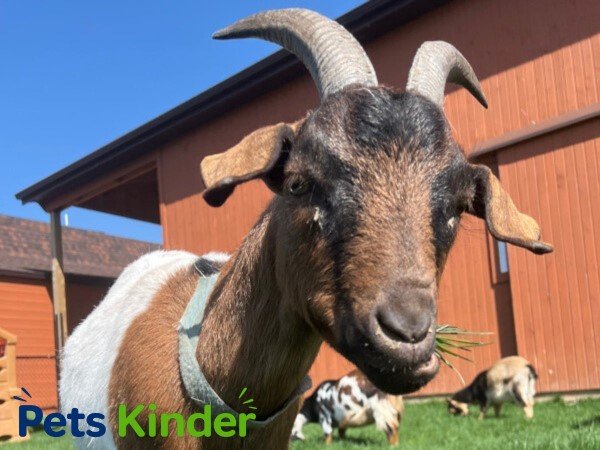
A fully mature Nigerian Dwarf goat stands between 17 and 21 inches at the shoulder and typically weighs between 60 and 80 pounds. Despite their small stature, they are well-proportioned and muscular not frail or delicate the way some miniature breeds can appear. Their build is compact and sturdy, which makes them surprisingly resilient animals for their size.
One of the most striking things about the breed is the sheer variety in their appearance. Nigerian Dwarf goats come in almost every color combination imaginable black, chocolate, gold, cream, white, and multicolored patterns with moonspots or frosted ears. Some individuals carry the gene for blue eyes, which is comparatively rare in the goat world and adds an almost surreal quality to their already appealing faces. Both does and bucks can be born with horns, though most responsible owners choose to disbud kids within the first week or two of life for the safety of both animals and handlers.
Personality and Behavioral Traits
If there’s one word that consistently comes up when experienced owners describe Nigerian Dwarf goats, it’s “personality.” These animals are bold, inquisitive, and remarkably interactive. They vocalize freely, follow their favorite humans around the property, and approach new situations with more confidence than you’d expect from an animal their size. They also climb on anything that will hold their weight which means enrichment structures are not optional but genuinely necessary for their mental wellbeing.
Their intelligence, while endearing, does present a challenge. Nigerian Dwarf goats are exceptional at finding weaknesses in fencing, and a bored or understimulated goat will work on an escape route with the kind of focused determination most people reserve for actual problems. Proper containment requires regular fence inspection and a healthy respect for how motivated these animals can be when they decide the grass is greener on the other side.
Diet and Nutrition for Nigerian Dwarf Goats
Getting the diet right is one of the most critical responsibilities of Nigerian Dwarf goat ownership. These animals have specific nutritional requirements, and the consequences of getting it wrong whether through underfeeding, overfeeding, or imbalanced minerals show up quickly and sometimes severely.
Hay as the Foundation
Good quality grass hay should form the bulk of every Nigerian Dwarf goat’s daily diet. Timothy hay, orchard grass, and bermuda are all excellent choices that support healthy rumen function and provide the fiber these animals need to digest food properly. Free-choice hay access throughout the day is the standard approach for most keepers, and it works well because goats naturally graze in frequent, small amounts rather than large meals.
Alfalfa hay deserves a specific mention. It’s high in protein and calcium, which makes it genuinely valuable for pregnant does in the final weeks of gestation and for does in peak lactation. However, feeding alfalfa routinely to bucks or dry does creates nutritional imbalances that can lead to real health problems over time, particularly in the urinary tract of males.
Grain, Minerals, and Water
Lactating does burning significant energy to produce milk benefit from a measured daily ration of quality goat dairy grain. Non-producing does and bucks, on the other hand, need minimal grain if any at all. Overfeeding grain to inactive animals is one of the most common mistakes new owners make, and it contributes directly to obesity and urinary calculi in males.
Loose goat minerals offered free-choice are non-negotiable. Goats have specific needs for copper, selenium, and zinc that generic livestock mineral mixes often fail to meet. Investing in a quality goat-specific loose mineral prevents a range of deficiency-related health issues that would otherwise be difficult to diagnose and treat. Fresh, clean water must always be available. Goats are notoriously fussy about water quality, so checking and refreshing their supply every day prevents the kind of voluntary dehydration that quietly undermines their health, especially during hot summer months.
Health and Routine Care
Nigerian Dwarf goats are generally healthy and resilient animals, but proactive care is what keeps them that way. Reactive care waiting until something is obviously wrong is always more expensive, more stressful, and less effective.
Core Vaccinations
The CD&T vaccine protects against Clostridium perfringens types C and D, the bacteria responsible for enterotoxemia, and against tetanus. Every Nigerian Dwarf goat needs this vaccine on a consistent schedule kids receive an initial series, and adults receive annual boosters. Skipping or delaying vaccinations leaves animals vulnerable to conditions that can kill within hours of symptom onset, which makes consistent vaccination one of the simplest and most impactful things an owner can do.
Parasite Management
Internal parasites particularly the barber pole worm represent one of the most persistent and serious health challenges in goat husbandry. These bloodsucking parasites cause anemia and can kill rapidly if burdens become severe. Rather than deworming on a fixed schedule, which drives anthelmintic resistance, experienced keepers use the FAMACHA scoring system to evaluate individual animals and treat only those showing signs of significant parasite load. This targeted approach preserves the effectiveness of available deworming medications over the long term.
Hoof Trimming Schedule
Hoof trimming every four to six weeks is a fundamental part of Nigerian Dwarf goat care. Neglected hooves fold inward, trap moisture, and create ideal conditions for hoof rot and foot scald both painful infections that cause lameness and significant distress. Many owners learn to handle routine trimming themselves using quality hoof shears, making it a manageable part of regular herd maintenance once the technique becomes familiar.
Common Health Problems in Nigerian Dwarf Goats
Even with diligent care, Nigerian Dwarf goats can develop health conditions that require prompt veterinary attention. Understanding the most common issues helps owners recognize problems early, when treatment is most effective.
Urinary Calculi
Urinary calculi mineralized deposits that obstruct the urethra primarily affect bucks and represent one of the most dangerous conditions in the breed. The root cause is almost always dietary: an improper calcium-to-phosphorus ratio, often driven by grain overfeeding, leads to mineral crystallization in the urinary tract. Symptoms include straining to urinate, crying, grinding teeth, and a visibly distended abdomen. This is a genuine emergency that can be fatal within 24 to 48 hours without veterinary intervention. Maintaining proper diet balance, ensuring adequate water intake, and supplementing ammonium chloride in at-risk males significantly reduces occurrence.
Enterotoxemia
Enterotoxemia, sometimes called overeating disease, results from rapid dietary changes or grain overfeeding that allows Clostridium bacteria to proliferate explosively in the digestive tract. It progresses with frightening speed and can kill an otherwise healthy goat in a matter of hours. The CD&T vaccine provides strong, reliable protection yet another reason why vaccination is considered essential rather than optional.
Caprine Arthritis Encephalitis (CAE)
CAE is a retroviral disease with no cure that causes progressive joint inflammation, wasting, and in young kids, neurological symptoms. It spreads primarily through infected colostrum and milk passed from doe to kid. Testing all breeding animals and sourcing stock from CAE-negative herds is the only reliable prevention strategy. Introducing untested animals into a clean herd is a risk that experienced breeders universally advise against.
Respiratory Illness
Pneumonia and other respiratory infections occur most commonly in goats housed in damp, poorly ventilated conditions. Symptoms include nasal discharge, coughing, elevated temperature, and obvious breathing difficulty. Treatment typically involves antibiotics under veterinary supervision, but improving housing ventilation and eliminating chronic moisture from bedding areas is what prevents recurrence. Good airflow without direct drafts is the environment every Nigerian Dwarf goat deserves.
Lifespan and Long-Term Ownership Considerations
With proper nutrition, routine health care, and a safe environment, Nigerian Dwarf goats live between 12 and 15 years. Some well-cared-for individuals exceed that range comfortably. That lifespan reflects a serious, multi-decade commitment that prospective owners need to take fully seriously before making a purchase.
Housing and Fencing
Nigerian Dwarf goats need weatherproof shelter that keeps them dry, out of direct drafts, and protected from temperature extremes. Because of their small size, they face a broader range of predator threats than larger livestock dogs, coyotes, foxes, and in some regions even large raptors. Fencing at least four feet high with no gaps wide enough to catch a head is the starting point, and a reinforced nighttime enclosure adds critical security during the hours when predators are most active.
Social Requirements
Nigerian Dwarf goats are genuinely herd animals, and keeping a single goat alone causes measurable psychological distress persistent vocalization, anxiety, and a decline in both health and quality of life. A minimum of two goats is the standard recommendation, and introducing new animals to an established pair or group requires patience as the social hierarchy gets renegotiated through the natural process of head-butting and posturing.
Breeding and Reproduction
Does can technically come into estrus as young as seven weeks old, though responsible breeders wait until does are at least seven months old and ideally closer to eight or nine months before allowing breeding. Nigerian Dwarf does are capable of cycling year-round rather than only seasonally, which gives keepers more flexibility in planning freshening schedules and maintaining a more consistent milk supply across the calendar year.
Is the Nigerian Dwarf Goat Right for You?
Nigerian Dwarf goats fit beautifully into small homesteads, hobby farms, and carefully managed suburban properties where local regulations permit livestock. They demand less space and less feed than full-sized dairy breeds while delivering real dairy productivity and genuine companionship that larger animals rarely match in terms of personality. The investment in proper fencing, nutrition, and veterinary care pays off in a healthy, productive, long-lived herd. Go in informed, go in prepared, and the Nigerian Dwarf goat will exceed almost every expectation you bring to the barn door.