Juliana Pigs: The Charming Miniature Breed That’s Winning Hearts Across America

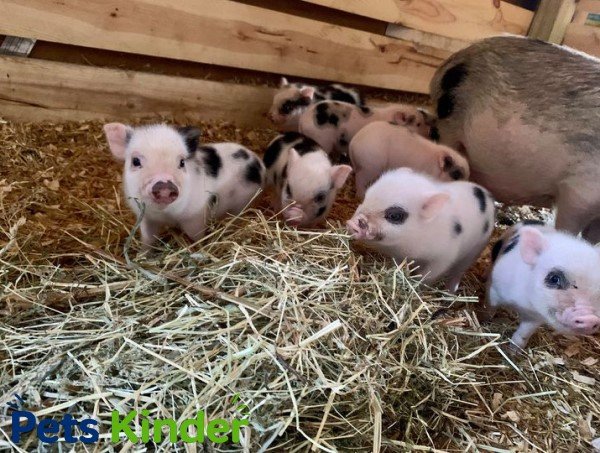
If you’ve ever scrolled past a video of a tiny, spotted pig trotting around a living room like it owns the place, there’s a good chance you were watching a Juliana pig. These compact, colorful little animals have carved out a serious fanbase over the past two decades, and for good reason. They’re intelligent, affectionate, and genuinely fascinating to keep. But before you fall completely in love with the idea, it’s worth understanding exactly what you’re getting into because Juliana pigs are more complex than most people expect.
What Exactly Is a Juliana Pig?
Juliana pigs are a selectively bred miniature pig breed, often described as “painted miniature pigs” because of their distinctive spotted coat patterns. Unlike many so-called “teacup” or “micro” pigs that are simply malnourished potbellied pigs sold under a misleading label, Juliana pigs are a recognized breed with documented breed standards. The Juliana breed standard was established in the early 2000s, making them one of the newer formal miniature pig breeds in existence.
Key Physical Characteristics
A fully grown Juliana pig typically weighs between 15 and 55 pounds and stands roughly 10 to 16 inches tall at the shoulder. They have a slender, athletic build quite different from the rounder, stockier frame of the potbellied pig. Their snout is long and narrow, their ears are upright, and their legs are proportionally longer, giving them a more streamlined appearance overall.
What really makes them stand out, though, is their coat. Juliana pigs come in a variety of base colors silver, white, black, red, rust, and cream and almost always display a spotted or splotched pattern over that base. No two Juliana pigs look exactly alike, which adds to their individual charm.
What Makes Them Different from Potbellied Pigs
Potbellied pigs and Juliana pigs are often confused, and that confusion matters. Potbellied pigs can grow significantly larger, sometimes exceeding 100 pounds. Juliana pigs, when properly bred and maintained, stay considerably smaller. However, it’s important to be skeptical of breeders promising pigs that will never exceed 10 or 15 pounds that’s rarely realistic unless the animal is being underfed, which causes serious health problems down the line.
Diet and Nutrition for Juliana Pigs
Feeding a Juliana pig correctly is one of the most important things you can do for their health and longevity. These animals are natural foragers, and their nutritional needs reflect that background.
What to Feed Them
The foundation of a Juliana pig’s diet should be a high-quality commercial mini pig pellet, formulated specifically for miniature pigs not dog food, cat food, or standard livestock feed. Beyond pellets, fresh vegetables make excellent supplemental food. Leafy greens, cucumbers, bell peppers, and zucchini are all solid choices. Fruit can be offered as an occasional treat, but because of its sugar content, it should be limited to small amounts a few times per week.
Foraging is deeply instinctive for Juliana pigs. If you have outdoor space, allowing them to root around in a designated area provides both physical activity and mental enrichment simultaneously. This also helps reduce the boredom-driven behaviors like persistent rooting at furniture that some indoor pigs develop.
What to Avoid
Juliana pigs should never be fed dog or cat food on a regular basis. The protein and fat levels in these products are too high for pigs and can lead to obesity and organ strain over time. Salty snacks, processed human foods, and anything containing caffeine or alcohol are absolute no-go. Avocado is toxic to pigs and should never be offered under any circumstances.
Health and Care Essentials
Juliana pigs are generally hardy animals, but they do require consistent, proactive care to thrive. Understanding their basic health needs before bringing one home will save you a significant amount of stress and money later on.
Routine Veterinary Care
Finding a vet experienced with miniature pigs before you bring your Juliana home is essential. Not every small animal vet is equipped to treat pigs, and the difference in care quality is notable. Juliana pigs need annual wellness exams, routine vaccinations (particularly for erysipelas and leptospirosis), and regular deworming protocols tailored to their environment and lifestyle.
Spaying and neutering is strongly recommended for pet Juliana pigs. Intact males, called boars, develop strong odors and can become aggressive. Unspayed females, or gilts, experience regular heat cycles that cause behavioral changes and long-term reproductive health risks, including uterine cancer.
Hoof and Tusk Maintenance
Hoof Trimming
Like all pigs, Juliana pigs need their hooves trimmed regularly typically every six months to a year, depending on how much time they spend on hard surfaces. Overgrown hooves cause discomfort and, eventually, joint problems. Some owners learn to trim hooves themselves, but many prefer to have their vet or a knowledgeable farrier handle the task.
Tusk Management
Both male and female Juliana pigs grow tusks, though males develop more prominent ones. Tusks should be monitored regularly and trimmed as needed by a veterinarian. Overgrown tusks can injure the pig itself or people and other animals in the household.
Skin and Coat Care
Juliana pigs have sensitive skin that tends toward dryness. Regular application of coconut oil or a pig-safe moisturizer helps prevent flaking and cracking, especially during dry winter months. Sunscreen is also important for pigs that spend time outdoors, particularly those with lighter-colored coats, since pig skin is susceptible to sunburn.
Common Health Issues in Juliana Pigs
Even with excellent care, Juliana pigs can develop certain health conditions that owners should watch for and understand.
Obesity
Obesity is arguably the most common health issue in pet miniature pigs, including Juliana pigs. Overfeeding often driven by the fact that pigs are extraordinarily food-motivated and will beg persistently leads to joint stress, cardiovascular problems, and a dramatically shortened lifespan. Keeping meals measured and consistent is non-negotiable.
Respiratory Infections
Juliana pigs are susceptible to respiratory infections, particularly pneumonia. Symptoms include labored breathing, nasal discharge, lethargy, and loss of appetite. Any respiratory symptoms should prompt a vet visit promptly, as these infections can progress quickly in pigs.
Arthritis
Older Juliana pigs commonly develop arthritis, especially if they were overweight during their younger years. Providing soft bedding, ramps instead of stairs, and anti-inflammatory support under veterinary guidance can significantly improve quality of life as they age.
Internal Parasites
Intestinal worms and other parasites are an ongoing management concern, particularly for pigs with outdoor access. Regular fecal exams and deworming protocols help keep parasite loads under control before they cause noticeable health decline.
Lifespan and Long-Term Considerations
A well-cared-for Juliana pig can live between 15 and 20 years. That’s a significant commitment longer than most dogs and many cats. Before bringing a Juliana pig into your home, it’s worth sitting seriously with that timeline and considering how your life might change over the next two decades.
Housing and Space Requirements
Juliana pigs need space to move, explore, and root. They can adapt to apartment or house living with proper management, but they genuinely benefit from some outdoor time. A securely fenced yard with a mud wallow or rooting box goes a long way toward meeting their behavioral needs. Indoors, they need a designated sleeping area with warm, comfortable bedding and protection from drafts.
Social and Behavioral Needs
Juliana pigs are highly social animals. They form strong bonds with their human families and, if given the opportunity, with other pigs. A solitary pig left alone for long stretches of the day will often develop anxiety, depression, and destructive behaviors. If your lifestyle doesn’t allow for a lot of at-home time, seriously consider adopting a pair so they can keep each other company.
Legal Considerations
Many municipalities have zoning laws that restrict or outright prohibit keeping pigs — even small ones — as pets. Before making any decisions, verify the local ordinances in your area. HOA rules may also apply. It would be heartbreaking to fall in love with a Juliana pig only to find out you can’t legally keep one where you live.
Is a Juliana Pig Right for You?
Juliana pigs are endearing, intelligent, and genuinely rewarding companions for the right owners. They thrive in homes where people understand their needs, commit to proper nutrition and veterinary care, and have the patience to work through the stubborn streak that comes standard with any pig. They are not low-maintenance pets, and they are certainly not impulse purchases. But for the owner who goes in informed and prepared, a Juliana pig can be one of the most memorable and meaningful animal companions imaginable.