The Chausie Cat: A Wild Soul in a Domestic Body — Everything You Need to Know

If you’ve ever looked at a cat and thought, I wish this felt a little more like a wild animal, the Chausie cat might be exactly what you’ve been searching for. This rare and remarkable breed carries the spirit of the jungle inside a sleek, athletic frame and yet, with the right owner, it makes a fiercely loyal and deeply affectionate companion. So what exactly is a Chausie cat, and is this breed right for you? Let’s dig in.
Introduction: What Is a Chausie Cat?
The Chausie (pronounced “chow-see”) is a hybrid domestic cat breed developed by crossing domestic cats primarily the Abyssinian with the Jungle Cat (Felis chaus), a wild species native to South Asia, the Middle East, and parts of Africa. The name itself is derived directly from Felis chaus, which tells you a lot about this cat’s roots.
Unlike many designer breeds that are purely aesthetic, the Chausie cat was bred with purpose. The goal was to create a cat that captured the wild look of a jungle cat while retaining the temperament and trainability of a domestic companion. The International Cat Association (TICA) granted the breed Foundation Registry status in 1995, and it achieved Advanced New Breed status in 2003.
A Brief History Worth Knowing
Interestingly, the crossbreeding of domestic cats with Jungle Cats isn’t entirely modern. Ancient Egyptians are believed to have kept Jungle Cats alongside domestic cats, and some historians suggest natural hybrids occurred in those early households. The modern Chausie breed, however, was intentionally developed in the late 20th century by American breeders who wanted to recreate that wild-domestic balance in a stable, healthy pedigree.
Key Features and Physical Characteristics
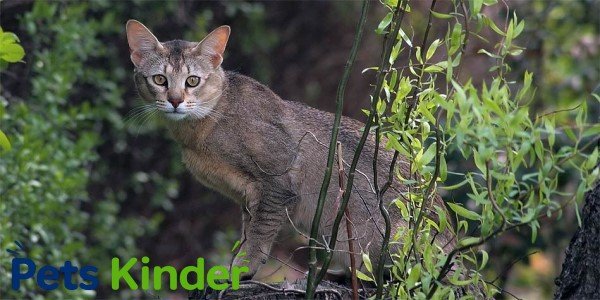
The Chausie is, without question, one of the most visually striking cat breeds in existence. These are large, long-bodied cats with deep chests, long legs, and a lean musculature that reflects their wild ancestry. Males typically weigh between 15 and 25 pounds, while females are somewhat smaller, usually ranging from 8 to 15 pounds.
Body and Coat
Their coats are short to medium in length, dense, and lie flat against the body. TICA recognizes three coat colors: brown ticked tabby, solid black, and black grizzled tabby the last of which is unique to the Chausie and produces a striking frosted appearance that you won’t find in other breeds. The grizzled pattern comes directly from the Jungle Cat lineage, which makes it a genuinely rare visual trait.
Their ears are tall and wide-set, often featuring tufts at the tips, and their faces carry a flatter, more angular profile compared to most domestic cats. Combined with their deep-set, expressive eyes typically gold or yellow the overall impression is unmistakably wild.
Temperament and Personality
Here’s where the Chausie truly sets itself apart. This is not a lap cat. It’s not the kind of animal that will spend its days curled on a sunny windowsill, indifferent to the world. Chausies are intensely active, curious, and highly intelligent. They form strong bonds with their human families and can become genuinely distressed if left alone for long stretches of time.
Many Chausie owners describe them as dog-like in their loyalty and interactiveness. They’ll follow you from room to room, greet you at the door, and engage in play with genuine enthusiasm. Because of their intelligence, they respond well to training yes, you can teach a Chausie to walk on a leash, fetch, or perform tricks. In fact, mental stimulation isn’t optional for this breed. It’s a necessity.
Are They Good With Families?
Chausies generally do well in active households, including those with older children and other pets, especially dogs. However, they may not tolerate very young children who don’t yet understand feline boundaries. Their high prey drive also means small animals like birds or rodents may not be safe around them. That said, with early socialization, Chausies can adapt remarkably well to multi-pet environments.
Diet and Nutrition
Given their wild heritage, Chausies have some notable dietary quirks that every owner should understand. Most Chausies particularly those in earlier hybrid generations have shorter intestines than typical domestic cats. This anatomical difference means they have difficulty digesting plant-based ingredients efficiently.
What to Feed a Chausie
A high-protein, meat-forward diet is essential for this breed. Raw or minimally processed diets work exceptionally well, provided they’re properly balanced with the right nutrients. If you prefer commercial cat food, look for grain-free, high-protein options with named animal proteins (chicken, turkey, duck, fish) listed as the first ingredients. Avoid foods with excessive fillers like corn, wheat, or soy, as these are harder for Chausies to process and may lead to chronic digestive upset.
Some Chausies develop a sensitivity to fermented ingredients as well certain probiotics and some freeze-dried raw foods with fermented components have triggered issues in sensitive individuals. Always introduce new foods gradually, and pay close attention to your cat’s stool consistency and energy levels as indicators of digestive health.
Hydration Matters
Like many athletic cats, Chausies benefit from generous hydration. A pet water fountain can encourage consistent drinking, which supports kidney function and overall health. Wet food as a dietary staple rather than just a treat helps ensure adequate moisture intake.
Health and Care
Overall, Chausies are considered a relatively healthy breed. Because breeders have worked carefully to widen the gene pool and prioritize health in their programs, many of the issues associated with early hybrids have been reduced. That said, there are a few health considerations specific to this breed that every owner should know.
Common Health Issues
Inflammatory Bowel Disease (IBD): Intestinal sensitivity is the most frequently reported health concern in Chausies. Their shorter GI tracts make them more susceptible to IBD, food intolerances, and chronic diarrhea. Diet management is often the first line of treatment, and many Chausies live comfortably with IBD once their diet is optimized.
Hypertrophic Cardiomyopathy (HCM): As with many large cat breeds, Chausies can be predisposed to HCM, a condition where the heart muscle thickens and can eventually impair function. Reputable breeders screen breeding cats for cardiac issues, so always ask about health testing when purchasing from a breeder.
Dental Health: Active, meat-eating cats like the Chausie are prone to tartar buildup. Regular dental care including brushing if your cat tolerates it, dental treats, and annual professional cleanings goes a long way in preventing periodontal disease.
Exercise and Enrichment Needs
A Chausie that doesn’t get enough physical and mental exercise will let you know usually by destroying things. These cats need large vertical spaces to climb, interactive toys, and ideally a safe outdoor enclosure or leash training to burn off their considerable energy. Puzzle feeders, rotating toy selections, and regular interactive play sessions are all strongly recommended.
Lifespan and Long-Term Considerations
A well-cared-for Chausie typically lives between 12 and 15 years, though many reach their mid-teens in good health. Their longevity is closely tied to diet quality, veterinary care, and environmental enrichment. Cats that receive consistent attention to their nutritional needs and have their mental stimulation requirements met tend to age more gracefully and experience fewer chronic health issues.
Is the Chausie Breed Right for You?
Owning a Chausie is a long-term commitment that demands genuine involvement. These cats thrive with owners who have time to engage with them daily, provide a stimulating environment, and invest in high-quality nutrition. They’re not ideal for people who travel frequently, live in small apartments without enrichment options, or prefer a more independent cat.
However, for the right person or family, a Chausie is unlike any other cat. The combination of breathtaking wild beauty, sharp intelligence, and genuine emotional connection makes this breed one of the most rewarding feline companions imaginable. If you’re prepared to meet their needs, they’ll give you an extraordinary bond in return one that feels less like pet ownership and more like a true partnership.
The Chausie cat isn’t for everyone, and that’s exactly what makes it special. It’s a breed built for people who want more from their feline relationship more engagement, more adventure, and more depth. If that sounds like you, the Chausie might just be your perfect match.