The Brahma Rooster: A Complete Guide to the Gentle Giant of the Chicken World

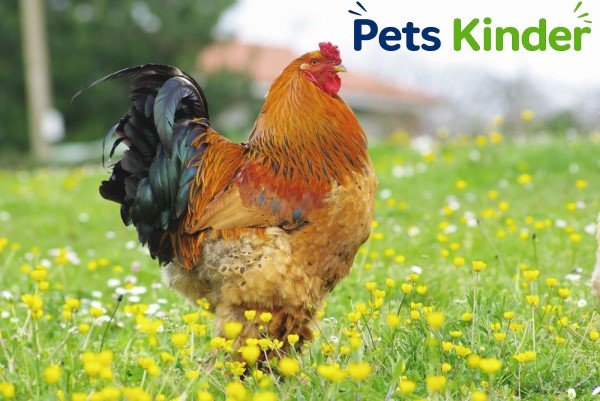
If you’ve ever seen a Brahma rooster strutting across a farmyard, you already know there’s something undeniably impressive about this bird. Towering over other breeds, draped in feathers that reach all the way down to its toes, the Brahma rooster commands attention without even trying. These birds have captured the hearts of backyard poultry keepers and serious breeders alike for well over a century and for very good reason.
What Makes the Brahma Rooster So Special?
The Brahma is one of the oldest and most distinguished large chicken breeds in existence. Originally developed in the United States from birds imported out of China in the mid-1800s, this breed quickly earned a reputation for its imposing size, calm temperament, and impressive cold-weather hardiness. Today, Brahma roosters remain one of the most sought-after breeds for both exhibition and backyard flocks.
Key Physical Characteristics
A fully grown Brahma rooster is genuinely hard to miss. These birds typically weigh between 10 and 12 pounds, though some larger individuals can push past that. Their bodies are broad, deep, and well-muscled, giving them a rectangular, almost architectural silhouette when viewed from the side.
One of the most distinctive features of the Brahma rooster is its pea comb a small, low-profile comb that sits close to the head and resists frostbite far better than the tall single combs found on many other breeds. Combined with tightly feathered legs and feet, this adaptation makes the Brahma exceptionally well-suited to cold climates. The feathering on their legs, known as “booting,” is thick and extends across the outer toes, giving them a boot-like appearance that’s instantly recognizable.
Brahma roosters come in several recognized color varieties: Light, Dark, and Buff are the most common, each with its own striking feather pattern. The Light variety, for instance, features a white body with striking black hackle and tail feathers. Dark Brahmas carry a much more complex penciling pattern, particularly on the females, though the rooster himself sports lustrous black and silver plumage that’s genuinely beautiful. Buff Brahmas carry a warm golden coloring throughout, edged in black on the neck and tail.
Temperament and Personality
Here’s where the Brahma rooster really earns his reputation. Despite their imposing size, these birds are remarkably calm and generally non-aggressive. Most experienced keepers describe Brahma roosters as docile, easy-going, and even friendly qualities that make them a solid choice for families or anyone new to keeping roosters. They’re far less likely to charge or show aggression compared to many smaller, more reactive breeds.
That said, no rooster should be treated carelessly. Even the calmest Brahma rooster will protect his hens if he perceives a real threat, so always approach any rooster with consistent, respectful handling from an early age.
Diet and Nutrition for Brahma Roosters
Feeding a Brahma rooster isn’t complicated, but their larger size does mean they eat more than your average bird. A high-quality layer or flock raiser feed forms the foundation of their diet. Since roosters don’t need the high calcium levels that laying hens require, many keepers prefer a flock raiser formula (typically around 18–20% protein) when managing a mixed flock.
What to Feed and What to Avoid
Brahma roosters thrive on a balanced diet that includes whole grains, leafy greens, and the occasional protein treat like mealworms or black soldier fly larvae. Free-ranging birds also naturally supplement their diet with insects, seeds, and plant matter, which contributes to both their health and their quality of life.
Fresh, clean water should always be available. Because of their heavily feathered feet, Brahmas are more susceptible to issues when their environment is wet or muddy dirty water sources that make the ground perpetually damp can lead to foot problems over time. Additionally, avoid feeding excessive scratch grains, as these are high in carbohydrates and low in the nutrients a large rooster needs to stay in good condition.
Health and Care
Brahma roosters are generally hardy birds. Their dense feathering gives them excellent insulation, and their pea combs eliminate most of the frostbite risk that plagues other breeds in winter. However, that same dense feathering creates a few specific care requirements that owners need to stay on top of.
Feathered Feet: The Main Maintenance Challenge
The leg and foot feathering that makes Brahmas so visually striking is also their biggest care consideration. Mud, manure, and moisture can collect in the feathers around the feet and create conditions where mites, scaly leg mites, and bacterial infections thrive. Regular inspections of the foot feathers are essential. Keep the run as dry as possible, and periodically check between the toes for any buildup of debris or signs of irritation.
Scaly leg mites are a common issue in feather-footed breeds. These microscopic parasites burrow under the leg scales and cause them to lift, crust, and eventually deform the feet if left untreated. Treating with petroleum jelly or a purpose-made mite treatment weekly for several weeks typically resolves the issue when caught early.
Parasite and General Health Management
Like all poultry, Brahma roosters benefit from routine parasite management. Provide dust bathing areas ideally a mix of fine dirt, wood ash, and food-grade diatomaceous earth so birds can control external parasites naturally. Check periodically for lice and mites, paying special attention to the vent area and under the wings.
Internal parasites, especially roundworms, can affect Brahmas just as they do any other chicken. Fecal testing through a veterinarian is the most accurate way to assess worm burden, though many keepers use a rotational deworming schedule as a preventive measure.
Common Issues and Diseases
Beyond the feathered foot concerns already discussed, Brahma roosters can experience a handful of health issues worth knowing about.
Marek’s Disease
Marek’s disease is a viral condition that affects many chicken breeds, and Brahmas are no exception. Vaccination at hatch is the standard preventive measure and is highly effective. Purchasing chicks from a hatchery that vaccinates or doing it yourself shortly after hatch gives your Brahma the best protection.
Bumblefoot
Bumblefoot is a bacterial infection of the foot pad, often triggered by a small cut or abrasion that becomes infected. Heavy breeds like the Brahma are more prone to this condition simply because of the extra weight they carry. Catching it early when you notice a small black scab on the foot pad makes treatment far more manageable. Severe cases may require veterinary intervention.
Respiratory Issues
Brahmas can be susceptible to respiratory infections, particularly Mycoplasma gallisepticum (MG), which causes chronic respiratory disease. Good ventilation in the coop, dry bedding, and avoiding overcrowding are the best preventive measures. If you hear rattling, wheezing, or notice nasal discharge in your rooster, consult a poultry veterinarian promptly.
Lifespan and Long-Term Considerations
A well-cared-for Brahma rooster can live anywhere from 5 to 8 years, and some individuals push well past that. Their calm temperament means they integrate relatively easily into established flocks, and their hardiness makes them less demanding in terms of veterinary intervention compared to more fragile breeds.
One important long-term consideration is their slow growth rate. Brahmas are notably slow to mature roosters don’t reach their full size and plumage until around 18 months to 2 years of age. This is worth keeping in mind if you’re raising them for exhibition, since a young Brahma may not hit peak condition until his second year.
As these birds age, keep an eye out for joint issues. Large, heavy birds are more susceptible to arthritis and mobility problems over time, especially if they live on hard surfaces. Providing low perches, padded flooring, and a dry environment goes a long way toward keeping an older Brahma rooster comfortable and active well into his senior years.
Is the Brahma Rooster Right for You?
If you’re looking for a rooster that combines a stunning, head-turning appearance with a manageable, gentle disposition, the Brahma is genuinely hard to beat. They’re an excellent choice for backyard flocks, they handle cold climates beautifully, and their calm nature makes them one of the more people-friendly roosters you’ll encounter. Yes, their feathered feet need a bit of extra attention, and they eat more than a bantam rooster ever would but for most keepers, those trade-offs are more than worth it.
The Brahma rooster isn’t just a chicken. It’s a statement bird with centuries of history behind him, and once you’ve kept one, it’s genuinely difficult to imagine a flock without him.