The Mule Animal: A Complete Guide to Breeds, Colors, Care, and Why This Hybrid Still Matters

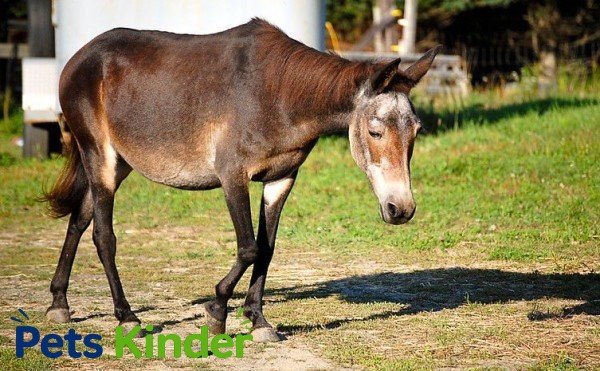
There’s something genuinely remarkable about the mule animal that most people overlook entirely. Often dismissed as a stubborn beast of burden from a bygone era, the mule is actually one of the most intelligent, sure-footed, and physically capable working animals ever produced through selective breeding. Farmers, trail riders, packers, and military forces have relied on mules for thousands of years and for very good reason. Whether you’re curious about how mules come to exist, what colors they come in, or how to care for one, this guide covers everything you need to know about this extraordinary hybrid.
What Exactly Is a Mule Animal?
The mule animal is the offspring of a male donkey, called a jack, and a female horse, called a mare. This cross produces a hybrid that inherits desirable traits from both parent species the horse’s size, athleticism, and smooth gaits combined with the donkey’s legendary endurance, sure-footedness, and disease resistance. The result is an animal that frequently outperforms both of its parents in working capacity and physical durability. Mules have served humanity across virtually every continent and in nearly every era of recorded history, from ancient Egypt and the Roman Empire to the American frontier and both World Wars.
It’s important to distinguish the mule animal from its close relative, the hinny. A hinny is the reverse cross the offspring of a female donkey, called a jenny, and a male horse, called a stallion. Hinnies are considerably rarer than mules, tend to be smaller, and are generally considered to have less working ability. In practice, when people refer to a mule, they almost always mean the jack-on-mare cross, which consistently produces the more capable and widely used hybrid. Both mules and hinnies are almost universally sterile, a characteristic that defines hybrid animals produced from species with different chromosome counts.
How to Make a Mule Animal: The Breeding Process Explained
Understanding how to make a mule animal starts with understanding the genetics involved. Horses have 64 chromosomes while donkeys have 62. When a jack and a mare reproduce, the resulting mule inherits 63 chromosomes one set from each parent. This odd chromosome count is precisely why mules are sterile; their reproductive cells cannot undergo the normal division process required to produce viable eggs or sperm. Occasionally, a female mule, called a molly, has been documented to produce offspring, but these cases are extraordinarily rare and scientifically fascinating exceptions rather than the rule.
The actual breeding process for producing a mule animal requires deliberate management. Jacks and mares don’t always breed naturally without encouragement, since the two species don’t instinctively recognize each other as suitable mates. Many breeders use a technique called ‘teasing,’ where the mare is introduced to the jack gradually to allow natural attraction to develop. In some operations, artificial insemination is used instead. Mare selection matters enormously larger, well-conformed mares produce bigger, more capable mules, while draft horse mares crossed with mammoth jacks produce the massive draft mules used for heavy farm and logging work.
Mule Animal Breed: Varieties Based on Size and Purpose
There isn’t a single unified mule animal breed the way there are horse breeds, but mules are broadly categorized by size and intended use categories that effectively function like breed distinctions in practical terms. At the smallest end, miniature mules stand under 50 inches tall and make charming, intelligent companions or light driving animals. Above them, saddle mules typically produced from Quarter Horse or Thoroughbred mares are built for riding, trail work, and endurance. Pack mules, produced from sturdier mare breeds, carry heavy loads across rough terrain with extraordinary balance and reliability.
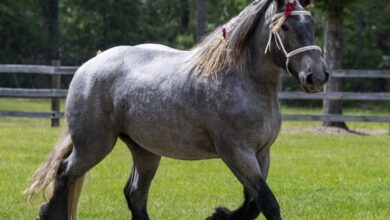
At the top of the size spectrum, draft mules represent the most powerful mule animal breed category. These animals result from crossing mammoth jacks a large donkey breed developed specifically for mule production with draft horse mares such as Belgians, Percherons, or Clydesdales. Draft mules can stand 17 hands or taller and weigh well over 1,500 pounds. Historically, they powered American agriculture before the widespread adoption of tractors, pulling plows, wagons, and heavy equipment with a combination of strength and endurance that rivaled or exceeded draft horses of comparable size. Today, draft mules remain popular in sustainable farming communities and among enthusiasts of traditional horsemanship.
Mule Animal Colors: What to Expect From This Hybrid
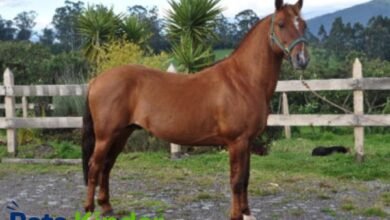
Mule animal colors span a wide and often striking range, largely determined by the genetics of both the jack and the mare used in breeding. Because mules inherit coat color genes from both parents, their coloration can reflect either species and sometimes produces combinations that look unlike either parent. The most common mule colors include bay, which features a brown body with black mane, tail, and leg points; black; sorrel or chestnut, a reddish-brown without black points; and gray. Dun and buckskin mules occur when the appropriate dilution genes are present in the parent stock and are particularly sought after for their striking appearance.
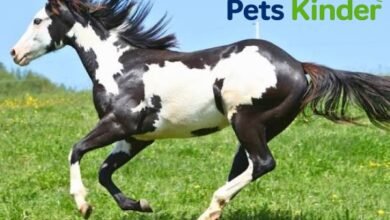
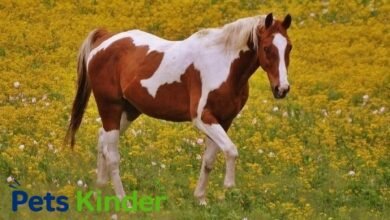
Beyond solid colors, mule animal colors also include roan a mixture of colored and white hairs across the body and occasionally pinto or paint patterns inherited from a pinto mare. Appaloosa-patterned mules, sometimes called ‘Appamules,’ can inherit the distinctive spotted coat pattern from an Appaloosa mare, producing one of the most visually distinctive mules you’ll encounter. Regardless of color, most mules retain the classic donkey-style dun factor markings a dorsal stripe down the back and faint zebra-like leg striping which reflect their donkey heritage even when their overall coat color comes from the mare’s side.
Key Characteristics of the Mule Animal
Intelligence and Temperament
One of the most widely misunderstood aspects of the mule animal is its reputation for stubbornness. In reality, what people label as stubbornness is more accurately described as self-preservation intelligence. Mules assess risk before acting. Unlike horses, which can be pushed past their physical limits through training pressure alone, a mule will refuse a task it perceives as dangerous even if that means ignoring its rider’s cues entirely. This isn’t defiance; it’s a survival instinct that has saved the lives of countless handlers in mountainous terrain, military operations, and difficult backcountry situations. Work with a mule rather than against it, and you’ll find a willing, capable, and exceptionally loyal partner.
Physical Attributes and Hybrid Vigor
The mule animal benefits enormously from a phenomenon called hybrid vigor, or heterosis the tendency of crossbred animals to outperform their purebred parents in health, hardiness, and physical capacity. Mules have harder hooves than horses, making them less prone to hoof cracks and more capable of going without shoes in many working conditions. Their skin is tougher and less sensitive to sunburn and insect bites. They tolerate heat better than horses and require less water and feed relative to their body size. Their longevity is also notable mules regularly work productively into their late 20s and early 30s, outlasting horses of equivalent size by a significant margin.
Diet and Nutrition for a Healthy Mule
Feeding a mule animal correctly requires understanding that mules are metabolically more efficient than horses a trait inherited from their donkey ancestry. Mules thrive on good-quality grass hay and well-managed pasture, and they require considerably less grain than a horse of equivalent size doing equivalent work. In fact, overfeeding a mule particularly with rich legume hay like alfalfa or high-starch grain rations frequently causes serious health problems. Laminitis, a painful and potentially crippling inflammation of the hoof’s internal structures, is a real risk in mules kept on overly rich diets. Obesity compounds this risk significantly.
A practical feeding program for a working mule centers on free-choice grass hay, a balanced vitamin and mineral supplement formulated for equines, and clean fresh water available at all times. Working mules in heavy use packing, logging, or competitive trail riding may need additional calories through a forage-based feed or a small amount of low-starch grain concentrate. Salt blocks should always be accessible. Because mules are efficient converters of feed to energy, even hard-working individuals typically need less supplemental feeding than horse owners might expect. Body condition scoring regularly helps prevent both underfeeding and the more common problem of unintentional overfeeding.
Health, Care, and Common Issues in Mules
Despite their impressive hardiness, the mule animal still requires consistent, attentive care to stay healthy throughout its long working life. Dental care is essential mules, like horses and donkeys, have continuously erupting teeth that develop sharp points and uneven wear over time. Annual dental floating by an equine veterinarian keeps the mouth comfortable and ensures efficient feed utilization. Hoof care, whether trimming or shoeing, should occur on a regular six-to-eight-week cycle. Even though mule hooves are tougher than horse hooves, neglect leads to long toes, collapsed heels, and eventually lameness.
Vaccination and Parasite Control
Mules follow the same core vaccination protocol recommended for horses. Core vaccines include Eastern and Western equine encephalomyelitis, tetanus, West Nile virus, and rabies all of which should be administered annually. In areas where equine herpesvirus or influenza are prevalent, risk-based vaccines may be added based on the mule’s exposure level and travel history. Internal parasite control has shifted toward strategic deworming based on fecal egg counts rather than automatic calendar-based treatment, which reduces chemical resistance in parasite populations and targets treatment where it’s genuinely needed.
Common Health Problems
Beyond laminitis and obesity-related issues, mules occasionally develop hyperlipemia a condition in which fat mobilizes rapidly into the bloodstream during periods of stress, illness, or sudden feed restriction. This condition can progress quickly to liver failure if not addressed, and it reflects the donkey side of the mule’s metabolism. Any mule that stops eating for more than 24 hours, particularly a fat or stressed individual, warrants immediate veterinary attention. Colic, though generally less common in mules than in horses, does occur and should be treated with the same urgency. Eye issues, particularly uveitis, are also seen in mules and benefit from prompt veterinary evaluation to prevent permanent vision loss.
Lifespan and Long-Term Considerations
One of the most compelling advantages of the mule animal is its exceptional longevity. Most mules live and work productively between 30 and 40 years with good management a lifespan that far exceeds the typical horse and makes the initial investment in a quality mule genuinely worthwhile over time. Senior mules may need dietary adjustments as their ability to chew and digest roughage changes, often requiring soaked hay cubes or senior feed formulations. Regular veterinary check-ups become increasingly important with age, particularly monitoring for arthritis, dental deterioration, and metabolic changes. A well-cared-for mule is a companion and working partner for decades.
A Famous Voice for the Mule: Author and Horseman Meredith Hodges
Meredith Hodges, author, television host, and founder of Lucky Three Ranch in Colorado, has dedicated her life’s work to educating the public about the intelligence, capability, and value of the mule animal. Her landmark book series, Mule Crossing, and her long-running educational television program have introduced generations of equine enthusiasts to training methods specifically designed for the mule’s unique psychology and learning style. Hodges has consistently challenged the outdated stereotypes surrounding mules, demonstrating through decades of hands-on training that mules are not stubborn but rather thoughtful animals who respond brilliantly to patient, consistent, and respectful horsemanship. Her work at mulecrossing.com remains one of the most comprehensive resources available for mule owners and enthusiasts worldwide.
Final Thoughts: The Mule Animal Deserves Far More Credit
Across thousands of years and every corner of the globe, the mule animal has carried civilization on its back literally. From plowing fields and hauling freight to carrying soldiers through mountain passes and packing gear into the most remote wilderness on earth, mules have done it all with remarkable efficiency, intelligence, and durability. Today, whether you’re considering a mule for trail riding, farm work, competitive events, or simply as a companion animal, you’re choosing an animal with an unmatched track record. Give a mule the respect, patience, and proper care it deserves, and you’ll have one of the most rewarding equine partnerships imaginable.