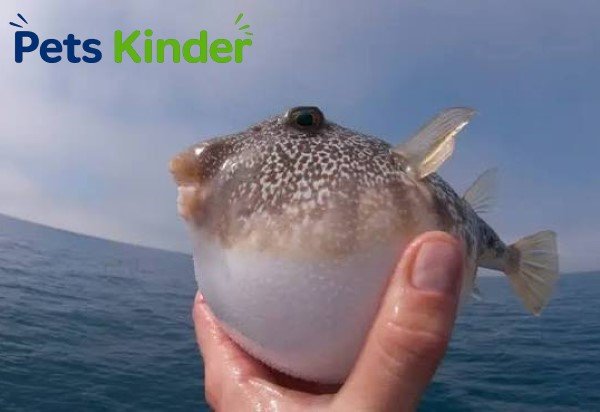
Few creatures in the aquatic world command attention quite like the puffer fish. Round, expressive, and armed with one of the most potent natural toxins on the planet, the puffer fish manages to be simultaneously adorable and lethal a combination that has fascinated marine biologists, aquarium hobbyists, adventurous chefs, and casual ocean observers for centuries. Whether you’ve encountered one while snorkeling in a tropical reef, spotted one in a saltwater aquarium display, or simply stumbled across a video of one inflating itself into a spiny balloon, this creature leaves an impression that’s genuinely hard to forget.
This guide takes a deep, thorough look at the puffer fish its physical characteristics, how it feeds and survives, what it takes to keep one in captivity, the health risks it carries, and why it continues to capture our collective imagination unlike almost any other fish in the sea.
What Is a Puffer Fish? Classification and Species Overview
The puffer fish belongs to the family Tetraodontidae, a name derived from the Greek words for “four” and “teeth” a reference to the four fused teeth that form their distinctive beak-like mouth. There are over 120 recognized species within this family, ranging from tiny freshwater varieties to large, reef-dwelling marine species that can grow to nearly three feet in length. They inhabit tropical and subtropical ocean waters across the globe, with the highest species diversity found in the Indo-Pacific region, though several species also populate Atlantic and Caribbean waters.
Physical Characteristics That Set Them Apart
The puffer fish has a body shape unlike most other fish short, rounded, and tapering toward the tail rather than streamlined for speed. Their skin lacks traditional scales, replaced instead by small spines or prickles that become dramatically more visible when the fish inflates. Their large, prominent eyes sit high on the head and can move independently, giving them excellent visual coverage in multiple directions at once. Most species display vivid, intricate coloration spots, stripes, and geometric patterns that varies significantly across species and serves as a warning signal to potential predators about the toxicity within.
The Inflation Mechanism: How and Why It Works
The puffer fish’s most famous defense mechanism is, of course, its ability to rapidly inflate its body when threatened. It achieves this by quickly gulping large amounts of water or air, when removed from water into a highly elastic stomach that can expand to several times its normal size. The result is a dramatically enlarged, sphere-shaped body covered in erect spines that makes the fish extraordinarily difficult to swallow. This transformation happens within seconds and is genuinely startling to encounter in the wild. Importantly, inflation is a stress response, not a casual behavior a puffer fish that inflates frequently is a stressed puffer fish, and chronic stress has serious health consequences for captive animals.
The Puffer Fish’s Secret Weapon: Tetrodotoxin
Beyond inflation, the puffer fish carries a far more powerful and permanent defense: tetrodotoxin, one of the most potent neurotoxins found in nature. This compound is present in the skin, liver, ovaries, intestines, and to a lesser degree the muscle tissue of most puffer fish species. Tetrodotoxin works by blocking sodium channels in nerve cell membranes, effectively shutting down the ability of nerves to fire and muscles to contract. In sufficient doses, it causes paralysis of the respiratory muscles, leading to death by asphyxiation. There is no antidote treatment is entirely supportive, focused on keeping the victim breathing until the toxin clears the system.
Where Does the Toxin Come From?
Interestingly, puffer fish don’t produce tetrodotoxin themselves. Instead, they accumulate it through their diet primarily by consuming bacteria and organisms that synthesize the compound. Puffer fish raised entirely in controlled aquaculture environments on toxin-free diets have been shown to contain little to no tetrodotoxin, which confirms the dietary origin. This discovery has significant implications for both the seafood industry and the aquarium trade, and it’s one of the reasons that farm-raised puffer fish are increasingly common in commercial markets where the flesh is consumed.
Tetrodotoxin and the Fugu Tradition
In Japan, the puffer fish known as fugu has been consumed as a delicacy for centuries despite its well-known toxicity. Preparing fugu for consumption is a highly regulated practice requiring years of specialized training and government licensing. Licensed fugu chefs learn to carefully remove the toxic organs while leaving the edible flesh intact and uncontaminated. Even so, accidental poisonings still occur occasionally, most often from improperly prepared home preparations rather than licensed restaurant kitchens. The thrill of eating something so close to danger has given fugu a cultural mystique that persists to this day.
Diet and Nutrition: What Does a Puffer Fish Eat?
The puffer fish is a carnivore with a highly specialized diet built around hard-shelled prey. Its four fused teeth which grow continuously throughout its life and must be worn down through regular use are perfectly designed for crushing the shells of mollusks, crustaceans, sea urchins, coral polyps, and hard-shelled invertebrates. This dietary preference is not incidental; the hard prey items the puffer fish favors are what keep its constantly growing teeth at a functional length. A puffer fish that doesn’t get enough hard food to chew will develop overgrown teeth that eventually prevent it from eating at all.
Feeding Captive Puffer Fish
For aquarium keepers, replicating this natural diet is one of the most critical aspects of puffer fish care. Frozen or live clams, mussels, shrimp, crabs, snails, and squid form the nutritional backbone of a healthy captive diet. Many experienced puffer fish keepers also offer whole, unshelled mollusks specifically to provide the dental wear that keeps teeth trimmed. Prepared pellet foods are not ideal as a primary diet while some puffer fish will accept them, they don’t provide the mechanical chewing action the teeth require, and they tend to be nutritionally incomplete compared to whole prey items.
Keeping a Puffer Fish: Tank Requirements and Care
Puffer fish are popular in the saltwater aquarium hobby, but they are not beginner fish by any stretch. They require large, well-filtered tanks with stable water chemistry, and their curious, active personalities mean they need space to explore and mental stimulation to stay healthy. Most marine species require a minimum tank size of 30 to 50 gallons for a single small individual, with larger species needing 100 gallons or more. They are sensitive to ammonia and nitrite spikes, so a mature, well-cycled filtration system is absolutely non-negotiable before introducing a puffer fish to a new tank.
Compatibility and Tank Mates
One of the biggest challenges in keeping a puffer fish in a community aquarium is their tendency toward aggression and fin-nipping. Many puffer fish species will bite the fins of slow-moving tank mates, and their powerful beaks can cause serious damage even to fish much larger than themselves. They also pose a significant risk to invertebrates crabs, shrimp, snails, and sea urchins that many reef keepers prize will be viewed by the puffer fish as a meal rather than tank decor. Most experienced keepers recommend species-only or carefully selected fish-only setups when keeping puffer fish to avoid costly and stressful compatibility problems.
Famous Admirers and Scientific Significance
Oceanographer and marine conservationist Sylvia Earle, widely regarded as one of the world’s foremost authorities on marine ecosystems and ocean biodiversity, has frequently highlighted the ecological importance of species like the puffer fish in maintaining reef health and marine food web dynamics. Earle’s decades of underwater research and her work with Mission Blue her foundation dedicated to protecting ocean habitats have brought scientific attention to the complex relationships between predator and prey species on coral reefs, relationships in which the puffer fish plays a meaningful and often underappreciated role as both predator and prey.
Common Health Issues in Captive Puffer Fish
Even under excellent care, puffer fish are prone to a number of health challenges that aquarium keepers need to understand and watch for proactively. Ich caused by the parasite Ichthyophthirius multifiliis is one of the most common ailments in saltwater fish generally and puffer fish specifically. It presents as small white spots on the skin and fins, accompanied by scratching behavior and labored breathing in advanced cases. Treatment options are more limited for puffer fish than for many other species because their lack of traditional scales makes them sensitive to copper-based medications that are commonly used for ich in other fish.
Overgrown Teeth and Nutritional Deficiencies
As mentioned earlier, dental overgrowth is a significant and uniquely puffer-fish concern. When the teeth grow beyond a functional length, the fish can no longer close its mouth properly or capture prey effectively, leading rapidly to starvation. In captive animals, this usually indicates an insufficient diet of hard, shell-bearing prey. Some veterinarians who specialize in aquatic animals can file or trim overgrown puffer fish teeth under sedation, but prevention through proper feeding is always far preferable to intervention. Regular observation of the mouth and feeding behavior is the best early warning system available to the attentive keeper.
Stress-Related Illness
Chronic stress is arguably the single greatest threat to a captive puffer fish’s long-term health. Frequent inflation events, poor water quality, aggressive tank mates, insufficient tank size, and inadequate hiding spots all contribute to a baseline stress level that suppresses the immune system and makes the fish vulnerable to bacterial and parasitic infections. A healthy puffer fish in a well-designed, appropriately sized tank with stable water parameters and appropriate tank mates should rarely inflate at all. If a keeper observes their puffer fish inflating frequently, that behavior is a clear signal that something in the environment needs to change.
Lifespan and Long-Term Ownership Considerations
With proper care, many puffer fish species live impressively long lives in captivity. Smaller freshwater species like the dwarf puffer typically live four to five years under good conditions, while larger marine species can live ten years or more. The dog-faced puffer fish, one of the most popular marine species in the aquarium hobby, has been documented living well past a decade in well-maintained setups. This longevity makes the decision to keep a puffer fish a meaningful long-term commitment not a casual purchase to be made without careful planning and genuine preparation.
Are Puffer Fish Right for You?
The puffer fish rewards dedicated, knowledgeable keepers with a level of personality and interactivity that few other fish can match. These are intelligent, curious animals that recognize their owners, follow movement at the front of the tank, and develop what can only be described as individual personalities over time. Many experienced aquarists describe their puffer fish as the most engaging fish they’ve ever kept. However, that engagement comes at a cost they are demanding, sometimes destructive, and entirely unforgiving of lapses in water quality or dietary management. Go in prepared, and the puffer fish will be among the most rewarding animals you’ll ever have the privilege of keeping.