The Timeless Splendor of Angora Cats: A Complete Guide to One of Nature’s Most Elegant Felines

Few cats command attention quite like the Angora. With a flowing coat that seems to ripple with every step, expressive eyes that hold centuries of history, and a personality that balances regal dignity with playful mischief, this breed stands apart. Angora cats splendor isn’t just about appearances it’s a full experience, one that pet lovers across the world have cherished for generations.
Origins That Trace Back Centuries
The Turkish Angora is one of the oldest natural cat breeds in existence, originating in the Ankara region of Turkey (historically known as Angora). These cats weren’t just household pets they were symbols of prestige, gifted to European royalty as early as the 16th century. French and British nobles treasured them deeply, and their presence in aristocratic households only added to their legendary status.
Interestingly, the breed nearly disappeared in the 20th century as Persian cats gained popularity. Fortunately, the Ankara Zoo in Turkey maintained a dedicated breeding program that preserved the lineage. By the 1960s, the Turkish Angora was reintroduced to North America, and breeders worked carefully to restore the standard we recognize today.
What Makes Angora Cats So Visually Striking
The Coat: A Flowing Masterpiece
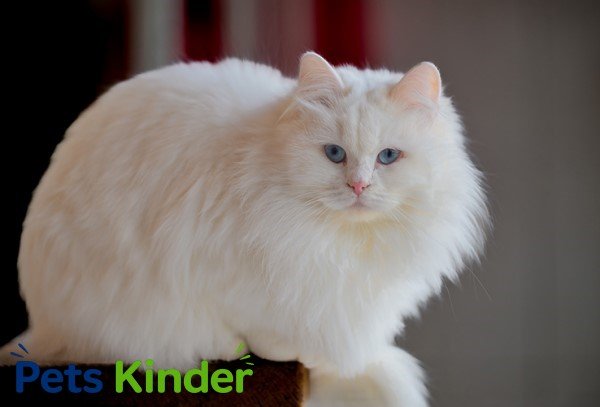
The most immediately recognizable feature of Angora cats is their silky, semi-long coat. Unlike many long-haired breeds, the Angora’s coat has a single layer no dense undercoat which gives it that distinctive weightless, flowing quality. It moves like water and catches light in a way that’s genuinely mesmerizing.
White is the most classic and celebrated color, but Angoras come in a wide range of shades including black, blue, red, cream, tabby, and tortoiseshell patterns. The fur around the neck forms a full, elegant ruff, while the tail fans out like a plume. Honestly, watching an Angora walk across a room feels like watching a small, self-important cloud in motion.
Angora Cats Eyes: Windows to an Ancient Soul
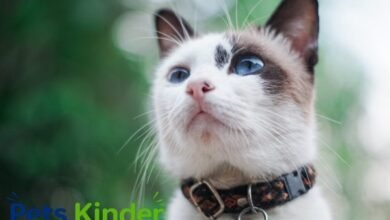
One of the most captivating aspects of this breed is the eyes. Angora cats eyes are large, almond-shaped, and come in a striking variety of colors blue, green, amber, and even odd-eyed (one blue, one another color). The odd-eyed trait is particularly famous in white Angoras and is considered a hallmark of the breed’s uniqueness.
Interestingly, white Angoras with one or two blue eyes have historically been associated with hereditary deafness on the blue-eyed side. Responsible breeders test for this condition, so it’s worth asking about hearing evaluations when considering a kitten. Beyond genetics, those luminous eyes give the Angora an alert, intelligent expression that matches their personality perfectly curious, watchful, and always engaged with whatever is happening around them.
Personality and Temperament
Don’t let the elegant exterior fool you Angoras are not aloof show pieces. They’re highly social, interactive cats who genuinely enjoy people. They follow their owners from room to room, insert themselves into conversations, and have a surprising sense of humor. Many Angora owners describe their cats as “dog-like” in their loyalty and responsiveness.
They’re also notably intelligent. Angoras learn tricks, figure out latches, and pick up on household routines quickly. Because of this, they need mental stimulation a bored Angora will find ways to entertain itself, and those ways aren’t always ones you’ll appreciate. Puzzle feeders, interactive toys, and regular play sessions go a long way toward keeping them happy and out of mischief.
Angora Cats Kitten: What to Expect in the Early Stages
The First Weeks of Life
An Angora cats kitten is a bundle of fluffy energy that arrives looking almost deceptively simple the full coat doesn’t develop until adulthood. During the first few weeks, kittens are entirely dependent on their mother. By three to four weeks, they begin exploring, and their distinct personalities start to emerge remarkably early.
Socialization during this stage is critical. Angora kittens exposed to different people, sounds, and environments grow into well-adjusted, confident adults. Breeders who handle kittens frequently from birth produce cats that are far more adaptable and people-friendly down the line.
Growth and Development
By around six months, an Angora kitten’s coat begins showing its true texture and length. Full maturity both physical and behavioral typically arrives between two and three years. During adolescence, expect bursts of wild energy, an overwhelming curiosity about everything, and the occasional spectacular leap to the top of your refrigerator.
Diet and Nutrition
Angoras thrive on a high-quality diet rich in animal protein. Whether you choose wet food, dry kibble, or a raw diet, the priority is real meat as the primary ingredient. Avoid foods loaded with corn, soy, or artificial fillers these offer little nutritional value and can contribute to weight gain and digestive issues.
Because of their single-layer coat, Angoras don’t shed excessively, but regular grooming still pulls out loose fur. Adding omega-3 fatty acids to their diet through fish oil supplements or fish-based foods supports coat shine and skin health significantly. Fresh water should always be available, as cats are naturally prone to under-hydration.
Health, Care, and Common Issues
General Health and Lifespan
Turkish Angoras are generally a healthy and robust breed. With proper care, most live between 12 and 18 years, and some reach their early twenties. They’re not prone to the extreme genetic conditions seen in some heavily modified breeds, which works in their favor considerably.
Common Health Concerns to Watch For
The most notable hereditary condition in white Angoras is congenital deafness linked to blue eye pigmentation. Beyond that, some Angoras carry a gene associated with Hypertrophic Cardiomyopathy (HCM), a heart condition that causes thickening of the heart wall. Regular veterinary checkups that include cardiac screening are strongly recommended, especially as the cat ages.
Dental hygiene is another area that deserves attention. Like most cats, Angoras are susceptible to periodontal disease if teeth aren’t regularly cleaned. Introduce tooth brushing early starting as a kitten makes the process far less dramatic for everyone involved.
Coat Care and Grooming
Despite their luxurious coat, Angoras are surprisingly low-maintenance compared to double-coated long-haired breeds. Brushing two to three times per week prevents tangles and keeps the coat looking its best. During seasonal transitions, more frequent grooming helps manage shedding. Always use a wide-tooth comb rather than a bristle brush to avoid breaking the delicate single-layer strands.
A Famous Admirer of Feline Elegance
The affection for elegant cat breeds like the Angora has extended well beyond ordinary households. Turkish-American journalist and author Elif Şafak, celebrated for her rich, layered storytelling rooted in Turkish culture, has spoken openly about the deep connection between Turkish identity and its beloved native cats. In a culture where the Turkish Angora is practically a national symbol, this reverence makes perfect sense the breed represents centuries of heritage, beauty, and quiet strength.
Why the Angora Belongs in a Class of Its Own
Ultimately, what defines Angora cats splendor is the combination of everything the ethereal coat, the soul-deep angora cats eyes, the sharp intelligence, and the warmth they bring to any home. Whether you’re watching an angora cats kitten discover the world for the first time or observing a mature Angora hold court like the royalty it descends from, the experience is genuinely unlike any other. This is a breed that doesn’t just share your space it elevates it.