Nubian Goats: The Dual-Purpose Breed That Farmers Can’t Stop Talking About

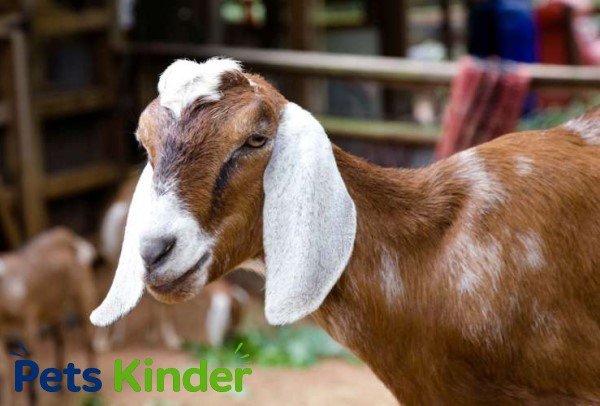
Nubian Goats have earned a loyal following across American farms, homesteads, and hobby farms and honestly, it’s not hard to see why. With their long, floppy ears, Roman noses, and outgoing personalities, these animals are immediately recognizable. But beyond their distinctive looks, the Nubian Goat is a genuinely impressive livestock choice that delivers both rich milk and quality meat. Whether you’re a seasoned farmer or just getting started, understanding this breed inside and out will help you decide if it belongs on your property.
What Exactly Is a Nubian Goat?
The Nubian Goat, often called the Anglo-Nubian in international circles, is a large domestic goat breed developed in England during the 19th century. Breeders crossed native British goats with animals imported from Africa, India, and the Middle East to create a heat-tolerant, productive breed that could thrive in varied climates. The result was the goat breed Nubian enthusiasts know today bold, vocal, and remarkably versatile.
A Brief History Worth Knowing
The breed’s development accelerated in the 1800s when British breeders began importing Zaraibi goats from Egypt and Jamnapari goats from India. These crosses introduced the signature pendulous ears and Roman nose profile that now define the breed. By the early 20th century, Nubian Goats had made their way to the United States, where the American Dairy Goat Association formally recognized them. Since then, they’ve consistently ranked among the most popular dairy goat breeds in the country.
Physical Characteristics That Set Them Apart
Few breeds are as visually striking as the Nubian Goat. Their ears hang long and flat against their heads, extending well below the jawline. Their noses carry a pronounced Roman arch, curving outward in a way that’s unmistakable even from a distance. They’re large-framed animals bucks typically weigh between 175 and 250 pounds, while does average 135 to 175 pounds. Their coats come in a wide range of colors and patterns, including solid black, brown, red, white, and various spotted combinations. Altogether, the Nubian Goat’s appearance is one of its most memorable calling cards.
Nubian Goats as a Dual-Purpose Breed
One of the strongest selling points of Nubian Goats is their dual-purpose utility. Most dairy breeds sacrifice meat quality for milk production or vice versa, but Nubians genuinely perform well in both categories. This flexibility makes them especially attractive to small-scale farmers and homesteaders who want maximum return from every animal they raise.
Milk Production and Quality
Nubian Goats produce milk with a notably high butterfat content, typically ranging from 4 to 5 percent and sometimes even higher. Compared to other dairy goat breeds like Saanens or Toggenburgs, Nubian milk is richer and creamier. That fat content makes it ideal for producing artisan cheeses, butter, soaps, and other value-added products. Does generally produce between one and two gallons of milk per day during peak lactation, though their overall production volume tends to be somewhat lower than high-output breeds. The trade-off is quality over quantity, and for many producers, that’s a worthwhile exchange.
Meat Characteristics
Because of their large frame and muscular build, Nubian Goats also yield respectable amounts of meat. Their kids grow quickly and finish well, making them a practical choice for producers who want to market surplus animals. The meat is lean and flavorful, aligning well with growing consumer interest in locally raised, pasture-fed goat meat. Consequently, Nubian Goats find a natural fit in markets where both dairy and meat products command premium prices.
Mini Nubian Goat: A Smaller Option With Big Appeal
The Mini Nubian Goat has grown in popularity significantly over the past two decades. Developed by crossing standard Nubians with Nigerian Dwarf goats, Minis retain the classic Nubian look long ears, Roman nose, and expressive eyes in a more compact package. They typically stand between 23 and 29 inches tall and weigh considerably less than their full-sized counterparts. Despite their smaller stature, Mini Nubian Goats still produce milk with impressively high butterfat content, often comparable to standard Nubians. For urban homesteaders, small-acreage farmers, or families who simply want a more manageable animal, the Mini Nubian Goat offers an excellent alternative without giving up the traits that make the breed so appealing.
Diet and Nutrition for Nubian Goats
Feeding Nubian Goats well is foundational to keeping them healthy and productive. Their diet should center on high-quality grass hay or pasture, which provides the roughage their digestive systems need to function properly. In addition to forage, does in milk benefit from grain supplementation to support energy demands during lactation. A balanced loose mineral mix formulated specifically for goats particularly one containing copper and selenium should be available free-choice at all times. Fresh, clean water is equally non-negotiable. Overfeeding grain is a common mistake that leads to obesity and digestive complications, so it’s important to calibrate rations based on each animal’s condition and production status.
Health, Care, and Common Issues
Routine Health Management
Nubian Goats are generally hardy, but they require consistent care to stay in peak condition. Regular hoof trimming every six to eight weeks prevents overgrowth and lameness. Annual vaccinations against CDT clostridium perfringens types C and D, plus tetanus are standard practice for most producers. Internal parasites, particularly barber pole worm, pose a serious threat to goat health in many regions. Therefore, producers should implement a targeted selective treatment program guided by FAMACHA scoring and fecal egg counts rather than blanket deworming schedules.
Common Health Concerns
Because Nubian Goats are a large breed, they can be prone to enterotoxemia if diet management is inconsistent. Respiratory infections occur more frequently in animals housed in poorly ventilated spaces, so adequate airflow in the barn matters considerably. Kidding complications can arise given the breed’s large frame, so close monitoring during late pregnancy is essential. Additionally, dairy does should be regularly checked for mastitis, especially during heavy-production periods.
Lifespan and Long-Term Considerations
With proper care, Nubian Goats typically live between 10 and 15 years. Does can remain productive milkers well into their senior years, though peak production usually occurs between ages two and six. Bucks used for breeding often remain fertile for many years if they’re maintained at a healthy weight and kept in suitable conditions. Planning for an animal’s long-term needs including retirement from production is part of responsible ownership that experienced goat keepers take seriously.
Finding Nubian Goats for Sale
If you’re ready to add this breed to your farm, sourcing quality animals is the first major decision you’ll face. Nubian Goats for sale can be found through registered breeders listed with the American Dairy Goat Association, local agricultural fairs, and online livestock marketplaces. When evaluating animals, prioritize health records, parasite management history, and production data for dairy does. Buying from reputable breeders who DNA-test and register their animals gives you a stronger foundation for building a quality herd over time.
A Notable Voice in the Goat World
Temple Grandin, the renowned animal behavior expert and livestock handling advocate, has long emphasized that goat welfare depends heavily on low-stress environments and thoughtful management. Her work on animal behavior science detailed on her official university profile at Colorado State University has shaped how modern goat producers think about housing design, handling practices, and overall herd management. Applying her principles to a Nubian Goat operation can meaningfully improve animal well-being and, by extension, productivity.
Final Thoughts
The Nubian Goat is more than just a pretty face on the farm. It’s a productive, adaptable, and engaging breed that rewards attentive management with rich milk, quality meat, and years of reliable service. Whether you’re considering full-sized animals or exploring the Mini Nubian Goat as a more compact alternative, this breed brings genuine value to a wide range of farming operations. Do your homework, source carefully, and give these animals the care they deserve the results will speak for themselves.