The Silent Threat Living on Your Pet: What Every Owner Must Know About Parasites in Pets

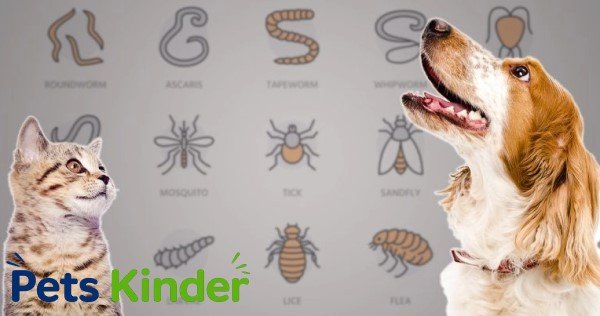
Your pet seems perfectly healthy. They’re eating well, playing normally, and acting like their usual self. But somewhere beneath that fur, inside that digestive tract, or burrowed into that skin, a parasite could already be at work quietly stealing nutrients, triggering inflammation, and setting the stage for serious illness. This is the unsettling reality of parasites in pets: they often strike without obvious warning, and by the time symptoms appear, the infestation has already been going on for weeks or even months.
Understanding how parasites work, which ones pose the biggest risks to your pet, and how to prevent them isn’t just responsible pet ownership it’s one of the most important things you can do for your animal’s long-term health. Let’s break it all down clearly and practically.
What Are Parasites in Pets and Why Should You Care?
The Two Main Categories: Internal and External
Parasites in pets fall into two broad categories, and each requires a different approach to detect and treat. Internal parasites commonly called “worms” live inside your pet’s body, typically in the digestive tract, heart, or lungs. External parasites, on the other hand, live on the skin, in the fur, or in the ears. Both types cause real harm, and both are more common than most pet owners realize.
What makes parasites particularly dangerous is their ability to remain hidden. Many internal parasites shed eggs through feces before a pet shows any clinical signs. External parasites like mites can establish significant populations before you notice your pet scratching. By the time the problem becomes visible, it’s often already well-established which is exactly why prevention and routine screening matter so much.
Who Is Most at Risk?
Technically, any pet can get parasites. However, young animals, outdoor pets, and those with weakened immune systems face significantly higher risk. Puppies and kittens are especially vulnerable because they often acquire certain parasites like roundworms from their mothers before or shortly after birth. Multi-pet households also see faster transmission, since many parasites spread through close contact or shared environments.
Common Parasites in Pets: Know Your Enemy
Internal Parasites
Understanding the most common parasites in pets starts with the intestinal worms. Roundworms are arguably the most widespread they infect dogs and cats globally and can even transmit to humans, making them a genuine public health concern. Hookworms are smaller but more aggressive; they latch onto the intestinal lining and feed on blood, which can cause dangerous anemia, especially in young animals. Tapeworms spread through fleas or infected prey animals and often go unnoticed until owners spot the distinctive rice-grain-like segments around their pet’s rear end or in their bedding.
Whipworms affect dogs more than cats and tend to cause chronic, difficult-to-resolve diarrhea. Meanwhile, heartworms deserve special mention because they’re uniquely life-threatening. Transmitted through mosquito bites, heartworms grow inside the heart and major blood vessels, causing progressive cardiovascular damage. Treatment is expensive, grueling, and risky which is exactly why veterinarians push so hard for year-round heartworm prevention.
Giardia and coccidia are single-celled protozoan parasites rather than worms, but they belong in this conversation. Both cause significant gastrointestinal distress particularly watery, foul-smelling diarrhea and spread easily through contaminated water or feces.
External Parasites
Fleas top the list of common external parasites in pets, and for good reason they reproduce at an almost alarming rate. A single female flea can lay up to 50 eggs per day, meaning a small problem can become a major infestation within weeks. Beyond the constant itching and skin irritation they cause, fleas also transmit tapeworms and can trigger flea allergy dermatitis, a hypersensitive reaction that causes intense scratching, hair loss, and skin infections.
Ticks are another significant threat, especially for outdoor pets. They transmit several serious diseases, including Lyme disease, Rocky Mountain spotted fever, and ehrlichiosis. Ear mites primarily affect cats and young dogs, causing intense itching and a dark, coffee-ground-like discharge inside the ear canal. Mange mites specifically sarcoptic and demodectic mange cause severe skin disease ranging from localized patches of hair loss to whole-body lesions in serious cases.
Health Impacts and Common Diseases Caused by Parasites
The health consequences of parasites in pets extend far beyond a little scratching or mild digestive upset. Chronic internal parasite burdens rob pets of vital nutrients, stunting growth in young animals and causing gradual weight loss and poor coat condition in adults. Heavy hookworm infections can cause life-threatening anemia fast enough to kill a kitten or puppy within days if untreated.
Long-term, untreated parasite loads suppress immune function, making pets more susceptible to secondary infections. Heartworm disease, left untreated, leads to heart failure. Certain parasites also carry zoonotic risk — meaning they can infect people, particularly children who play in contaminated soil or have close contact with infected pets. Roundworms and hookworms, in particular, can cause serious human illness through accidental ingestion of eggs or larval skin penetration.
How to Prevent Parasites in Pets: A Practical Approach
Year-Round Preventative Medications
The single most effective answer to how to prevent parasites in pets is consistent, year-round use of veterinarian-recommended preventative medications. Monthly heartworm preventatives typically also cover several intestinal parasites. Flea and tick preventatives come in various forms topical spot-ons, oral chewables, and collars and each has its own strengths depending on your pet’s lifestyle, health status, and your geographic region. Talk to your vet about what combination makes sense; one-size-fits-all approaches don’t always apply here.
Regular Fecal Testing and Vet Screenings
Preventatives aren’t perfect, and some parasites like tapeworms and giardia aren’t covered by standard monthly products. Regular fecal testing, ideally twice a year for low-risk pets and more often for high-risk ones, catches infections that preventatives miss. Your vet can identify parasite eggs microscopically before your pet shows any symptoms, allowing early treatment that protects both your animal and your household.
Environmental Management
Preventing reinfection is just as important as treating an active problem. Clean up feces from your yard promptly parasite eggs survive in soil and can reinfect pets weeks or months after initial treatment. Wash pet bedding regularly in hot water. Treat your home environment alongside your pet when dealing with fleas, since roughly 95% of a flea population lives off the host as eggs, larvae, and pupae in carpets and furniture.
Does Regular Grooming Prevent Parasites in Pets?
This is a question worth addressing directly: does regular grooming prevent parasites in pets? The honest answer is yes partially, but not completely. Regular grooming plays a genuinely valuable role in parasite prevention and early detection, but it doesn’t replace medical preventatives.
When you brush or bathe your pet regularly, you create opportunities to spot fleas, ticks, and mites early before they establish large populations. Running a fine-toothed comb through the coat can reveal flea dirt the dark specks of digested blood that fleas leave behind even before you see an actual flea. Checking inside the ears during grooming helps catch early ear mite infestations. Bathing with appropriate shampoos can kill existing fleas on the pet at the time of the bath, though it provides no lasting protection afterward.
So think of grooming as an important surveillance tool and a useful complement to your parasite prevention plan not a standalone solution. Used alongside monthly preventatives, routine vet checks, and good environmental hygiene, regular grooming genuinely strengthens your overall defense against parasites.
Long-Term Considerations for Parasite Control
Building a Sustainable Prevention Plan
Effective long-term parasite control isn’t a one-time event it’s an ongoing commitment that evolves with your pet’s age, health, and lifestyle. Senior pets may need adjusted protocols as their immune function changes. Pets that travel, visit dog parks, or spend significant time outdoors need more aggressive prevention than strictly indoor animals. Rescue pets and newly adopted animals should always receive full parasite screening before joining a multi-pet household, regardless of what paperwork says.
Work with your veterinarian to build a prevention calendar that fits your specific situation. Track product usage, keep up with fecal tests, and stay current on local parasite trends because which parasites pose the greatest risk genuinely varies by region and season. The investment in consistent prevention is always smaller than the cost financial and emotional of treating a serious parasite-related illness after the fact. Your pet depends on you to stay one step ahead, and with the right plan in place, you absolutely can.
