Most pet owners think of grooming as a chore reserved for coat maintenance or the occasional bath. In reality, pet grooming and overall pet wellness are deeply intertwined, and the way you care for your animal on the outside tells you a great deal about what is happening on the inside. Regular grooming is not just about appearances. It is one of the most practical and proactive things you can do to protect your pet’s long-term health, strengthen your bond, and catch potential medical issues before they spiral into expensive vet visits.
Why Pet Grooming and Health Go Hand in Hand
It is easy to overlook grooming when your pet seems perfectly fine, but the benefits run far deeper than a shiny coat or trimmed nails. Consistent pet grooming routines directly impact skin health, coat condition, ear hygiene, dental wellness, and even joint mobility in older animals. Furthermore, the physical contact involved in grooming gives owners a reliable opportunity to notice lumps, bumps, parasites, skin irritations, or behavioral changes that might otherwise go unnoticed for weeks. Think of every grooming session as a mini health check disguised as pampering.
Physical Benefits of Regular Grooming
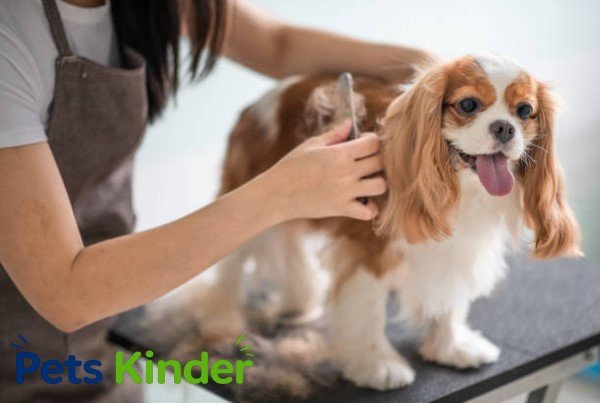
Brushing your pet regularly removes dead hair, distributes natural skin oils, and prevents painful matting in long-coated breeds. For dogs especially, mats can pull on the skin and create warm, moist pockets where bacteria and yeast thrive. Regular nail trimming prevents overgrowth that can alter a pet’s gait, cause joint stress, or lead to ingrown nails. Ear cleaning removes debris and excess wax, significantly reducing the risk of chronic ear infections that can become costly and painful if left unaddressed. Even something as simple as wiping your pet’s face regularly can prevent tear stain buildup and skin fold irritation.
Emotional and Behavioral Benefits You Should Not Ignore
Beyond the physical advantages, pet grooming and bonding share a powerful connection. Animals that are groomed from a young age develop greater tolerance for being handled, which makes veterinary exams, nail trims, and health checks far less stressful for everyone involved. Moreover, the calm, focused attention you give during grooming sessions communicates safety and trust to your pet. Many animals visibly relax during a brushing session, and that relaxation translates into lower stress hormones, better behavior overall, and a deeper sense of security in the human-animal relationship.
Building a Pet Grooming Routine That Actually Works
The biggest mistake most pet owners make is approaching grooming inconsistently, only reaching for the brush when the coat looks visibly tangled or waiting until the nails click loudly on the floor. A structured routine, even a simple one, removes the guesswork and ensures nothing gets overlooked. The frequency of each grooming task depends on your specific pet’s breed, coat type, age, and activity level, but the foundation of a good routine remains universal: regular brushing, nail maintenance, ear checks, dental care, and bathing on an appropriate schedule.
Grooming Frequency by Pet Type and Coat Needs
Short-coated dogs like Beagles or Boxers generally need brushing once or twice a week and baths every four to six weeks. Long-coated breeds such as Golden Retrievers, Shih Tzus, or Persian cats require daily brushing to prevent tangles and professional grooming every six to eight weeks. Double-coated breeds blow their coats seasonally and benefit enormously from deshedding treatments during those periods. Cats, while largely self-grooming, still need regular brushing to reduce hairballs and mat formation, especially in senior animals or those with health conditions that limit their flexibility.
Essential Grooming Tools Every Pet Owner Needs
Investing in the right tools makes every grooming session faster, safer, and more comfortable for your pet. A slicker brush and a metal comb form the backbone of any coat care kit and work across nearly all coat types. Nail clippers designed specifically for your pet’s size are non-negotiable, as human nail clippers can crack pet nails and cause pain. An ear cleaning solution and soft cotton balls handle routine ear hygiene safely. For dental care, a finger toothbrush or a pet-specific toothbrush paired with enzymatic toothpaste helps reduce plaque buildup without the risk of introducing harmful human products.
Dental Care: The Most Overlooked Part of Pet Grooming
Dental disease affects an estimated 80 percent of dogs and 70 percent of cats by the age of three, yet oral hygiene remains one of the most neglected components of pet grooming and wellness routines. Plaque accumulation leads to tartar buildup, which then progresses to gingivitis, periodontal disease, and eventually tooth loss or systemic infections affecting the heart, kidneys, and liver. Daily tooth brushing is the gold standard for at-home dental care, but even three to four times per week makes a meaningful difference in slowing plaque development and protecting your pet’s overall health.
Practical Dental Alternatives for Resistant Pets
Not every pet tolerates a toothbrush, and that reality should not become an excuse to skip oral care entirely. Fortunately, several effective alternatives exist. Dental chews that carry the Veterinary Oral Health Council seal of approval have demonstrated real plaque-reduction benefits in clinical studies. Water additives designed for pets can help reduce bacteria in the mouth without requiring any direct brushing contact. Dental wipes offer another hands-on option that some pets accept more readily than a toothbrush. Additionally, raw bones supervised carefully can provide mechanical cleaning action, though this approach carries risks and should always be discussed with a veterinarian first.
Common Health Issues Linked to Poor Pet Grooming
When pet grooming and care routines slip, the consequences show up quickly and sometimes severely. Ear infections are among the most common issues in dogs, particularly floppy-eared breeds like Cocker Spaniels and Basset Hounds, and inadequate ear maintenance is a leading contributing factor. Skin conditions including hot spots, seborrhea, and fungal infections often develop in neglected coats where airflow is restricted and moisture becomes trapped. Overgrown nails can curl into the paw pads, causing severe pain and infections. In severe cases of neglect, mats can grow so dense that they restrict blood circulation to the skin beneath them.
How Grooming Helps with Early Parasite Detection
Regular grooming sessions are one of the most effective tools for early flea, tick, and mite detection. Running a fine-tooth comb through your pet’s coat after outdoor activity allows you to spot parasites before they establish themselves in large numbers. Flea dirt, which looks like tiny black or reddish-brown specks, is often the first visible sign of a flea infestation and is easiest to spot against a clean coat during brushing. Similarly, ticks embed most commonly around the ears, neck, and between the toes, all areas you naturally examine during a thorough grooming routine. Catching these pests early dramatically reduces the risk of tick-borne illnesses and flea-related skin problems.
Celebrity Pet Care: Grooming in the Spotlight
Actress and animal welfare advocate Betty White, whose lifelong passion for animals was as famous as her Hollywood career, consistently championed responsible pet ownership throughout her public life. She frequently spoke about the importance of treating pets with the same level of attentive care you would give any beloved family member, including regular grooming and preventive health routines. Her advocacy through organizations like the Los Angeles Zoo and various animal rescue groups helped raise public awareness about the connection between daily care practices and long-term animal welfare. Her legacy continues to inspire millions of pet owners to take grooming and wellness seriously.
How Nutrition Supports Your Pet Grooming Results
Even the most diligent external grooming routine can only accomplish so much if your pet’s diet is falling short. Coat quality, skin health, nail strength, and even ear health are all significantly influenced by what your pet eats every single day. A diet rich in high-quality protein supports healthy hair follicle function and reduces excessive shedding. Omega-3 and omega-6 fatty acids, found in fish oil, flaxseed, and certain premium kibble formulas, are especially powerful for maintaining a lustrous coat, reducing skin inflammation, and improving overall skin barrier function. Conversely, a poor diet leads to dull coats, brittle nails, flaky skin, and increased susceptibility to infections.
Key Nutrients That Directly Affect Coat and Skin Health
Biotin, also known as vitamin B7, plays a critical role in keratin production, which is the structural protein that makes up your pet’s hair, nails, and skin. Zinc supports skin healing and immune function, while vitamin E acts as a powerful antioxidant that protects skin cells from oxidative damage. Adequate hydration is just as important as any supplement, since dehydrated skin loses elasticity and becomes prone to cracking and irritation. Always consult your veterinarian before adding supplements to your pet’s diet, as excessive amounts of fat-soluble vitamins can cause toxicity rather than benefit.
Professional Grooming vs. At-Home Care: Finding the Right Balance
Professional groomers bring skill, specialized equipment, and trained eyes that most pet owners simply cannot replicate at home. They are often the first to notice suspicious lumps, skin abnormalities, or ear conditions that owners overlook. However, professional grooming appointments every six to eight weeks are not a substitute for consistent at-home maintenance in between. The most effective approach combines both. Handle brushing, ear checks, and light cleaning at home on a regular schedule, and rely on professional groomers for baths, breed-specific haircuts, nail grinding, and anal gland expression when needed. This partnership keeps your pet in consistently excellent condition year-round.
Pet grooming and long-term wellness are not separate categories. They are two sides of the same coin. When you commit to a thoughtful, consistent grooming routine supported by good nutrition and regular veterinary care, you give your pet the best possible foundation for a long, comfortable, and genuinely happy life. Start simple, stay consistent, and remember that every brush stroke, every nail trim, and every gentle ear check is an act of love that your pet feels even when they cannot say so.