The Morgan Horse: America’s First Breed and Why It Still Captivates Riders Today

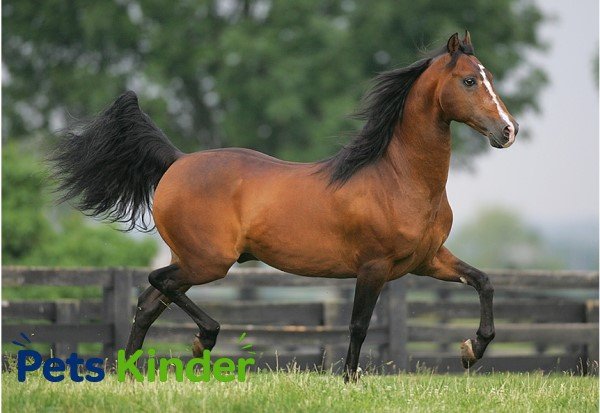
The Morgan horse holds a place in American history that no other breed can claim. Born from a single remarkable stallion in the late 1700s, this breed shaped the United States in ways most people never consider. From hauling timber in Vermont to carrying cavalry officers during the Civil War, Morgan horses proved their worth generation after generation. Today, they remain one of the most versatile, loyal, and beautiful breeds you can find and once you understand what makes them special, it’s easy to see why so many riders never look back.
The Origin Story Behind America’s Breed
The entire Morgan breed of horse traces back to one stallion named Figure, later called Justin Morgan after his owner. What makes this origin story genuinely astonishing is that Figure was small standing barely 14 hands yet he consistently outpulled, outraced, and outlasted horses twice his size. Nobody knows his exact lineage for certain, though researchers have proposed Welsh Cob, Thoroughbred, and Arabian bloodlines over the years.
Justin Morgan, the man, was a Vermont schoolteacher who received the colt as partial payment for a debt. That small horse went on to found an entire breed, passing his traits so dominantly to his offspring that the pattern held across generations. The Morgan became the first horse breed developed in the United States, and the American Morgan Horse Association still preserves and promotes the breed today with impressive dedication.
What History Tells Us About Their Strength
Beyond farm work, Morgan horses served prominently during the Civil War. General Philip Sheridan rode a Morgan named Rienzi, and the horse became so famous that Rienzi’s preserved remains are still on display at the Smithsonian Institution. General Sheridan’s wartime ride on Rienzi was immortalized in a famous poem by Thomas Buchanan Read, and you can explore more about this remarkable horse through the Smithsonian’s National Museum of American History collections. That kind of historical footprint tells you something important these horses didn’t just survive demanding conditions, they thrived under them.
Key Characteristics of the Morgan Horse
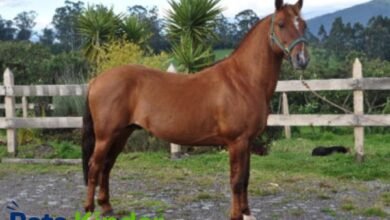
Morgan horses carry a distinctive look that sets them apart immediately. They tend to be compact and well-muscled, with an arched neck, expressive eyes, and a broad forehead that gives them an almost noble appearance. Their legs are clean and strong, their hooves dense and hard, and their overall build speaks to both elegance and endurance. Most Morgans stand between 14.1 and 15.2 hands, though some lines run slightly taller.
Morgan Horse Colors: What Shades Do They Come In?
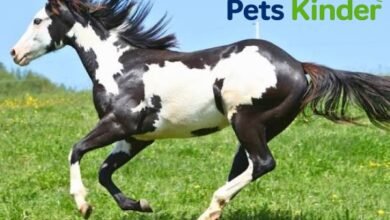
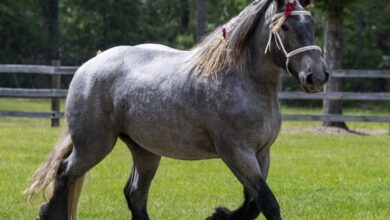
Morgan horse colors span a beautiful range. Bay is the most common, followed closely by chestnut and black. However, you’ll also find Morgans in palomino, gray, roan, and even the striking buckskin. Some bloodlines carry the cream gene, which produces those lighter, eye-catching coats. Pinto patterns do appear occasionally, though they’re less common in registered Morgans. Regardless of color, the breed tends to carry a coat with a natural sheen that catches light beautifully, making them particularly striking in the show ring.
Temperament and Trainability
One of the most talked-about qualities among Morgan enthusiasts is the breed’s temperament. These horses are intelligent sometimes impressively so and they bond closely with their people. They’re eager to please, which makes training rewarding rather than frustrating. At the same time, their intelligence means they get bored easily with repetitive, mindless work. Experienced trainers know to keep sessions engaging and purposeful. For beginners, the Morgan’s generally calm and willing nature makes it a solid choice, provided the horse receives consistent, patient handling from the start.
Diet and Nutrition for Morgan Horses
Feeding a Morgan horse correctly matters more than many new owners realize. Morgans are often described as “easy keepers,” meaning they maintain weight and condition on less feed than many other breeds. Furthermore, this efficiency, while economical, also means owners need to watch carefully for signs of obesity and related metabolic conditions.
Building the Right Feeding Plan
A well-structured diet for a Morgan typically centers on quality forage good grass hay or mixed hay forms the nutritional foundation. Most Morgans doing light to moderate work don’t need heavy grain supplementation. Instead, a balanced ration balancer or vitamin-mineral supplement alongside adequate forage usually covers their needs. Fresh, clean water should always be available, and salt blocks give horses a way to self-regulate their electrolyte intake. For horses in heavy work or during harsh winters, caloric needs increase, and you’ll need to adjust accordingly with your veterinarian’s guidance.
Health, Care, and Common Issues in Morgan Horses
Morgan horses are generally hardy and long-lived, but they do carry certain health considerations every owner should understand. Because of their easy-keeper metabolism, Morgans are predisposed to equine metabolic syndrome (EMS) and insulin dysregulation. These conditions can lead to laminitis a painful and potentially crippling inflammation of the hoof if diet and weight aren’t carefully managed.
Preventive Care That Makes the Difference
Routine veterinary care forms the backbone of keeping a Morgan healthy long-term. This means regular dental floating, up-to-date vaccinations, deworming on a strategic schedule, and consistent hoof care every six to eight weeks. Additionally, Morgans can develop Polysaccharide Storage Myopathy (PSSM) in some lines, a muscle condition that causes tying-up episodes and discomfort. A low-starch, high-fat diet, combined with regular exercise, helps manage PSSM effectively. Working with an equine vet who understands the breed’s specific tendencies makes a genuine difference in long-term outcomes.
Morgan Horse Farms and Finding Your Horse
If you’re seriously considering adding a Morgan to your life, visiting a dedicated Morgan horse farm gives you a feel for the breed that no article or video can replace. Reputable farms breed for temperament, health, and breed standards, and they’re usually happy to answer detailed questions about bloodlines and training history. Many farms offer horses at various stages young stock, trained performance horses, and seasoned trail companions.
Morgan Horse for Sale: What to Look For
When searching for a Morgan horse for sale, take your time and do your homework. Request veterinary pre-purchase exams without exception. Look at how the horse moves at all gaits, how it loads into a trailer, and how it behaves when its feet are handled. Ask about its diet history, any health issues, and its training background. Moreover, ask to ride the horse more than once before committing. A horse that suits your skill level and riding goals will give you years of partnership. A rushed decision, even with a wonderful breed like the Morgan, can create mismatches that frustrate both horse and rider.
Lifespan and Long-Term Considerations
Morgan horses are notably long-lived compared to many breeds. With proper care, a Morgan regularly reaches 25 to 30 years of age, and horses working comfortably into their late twenties aren’t unusual. This longevity makes the breed a genuine long-term companion rather than a short-term investment. However, it also means committing to decades of care, feed, and veterinary attention something every prospective owner should weigh honestly before purchasing.
Why Morgans Remain Relevant Today
In a world full of specialized sport horse breeds, the Morgan horse continues to prove its value through sheer versatility. They compete in dressage, endurance riding, western pleasure, trail classes, and driving competitions. They work cattle, carry beginners, and challenge advanced riders. Ultimately, what makes the Morgan endure isn’t just history or beauty it’s the combination of heart, intelligence, and adaptability that Figure passed down more than two centuries ago. That legacy, carried forward through every registered Morgan alive today, remains as compelling as ever.